Green Coffee Beans for Home Roasting
Looking for green coffee beans for home roasting? Start with the cup you want after the roast, not the flashiest bag art.
Best clean Central American: Good Times Costa Rican Tarrazu
Best premium Hawaiian: Green Coffee Traders 100% Kona Extra Fancy
Best bold blender / dark roast: Fresh Roasted Coffee Sumatra Mandheling
Best everyday classic: Stone Street Colombian Supremo
That is the short list. These are unroasted (green) beans you roast yourself, then brew. We picked four origins with different roast windows and cup styles, all available to buy without hunting a specialty importer’s back room first.
If you already own a home roaster, or you are about to, the rest of this guide covers how we chose them, what to look for when you buy green coffee beans, and the roast notes that matter once first crack hits.
Do You Want the BEST Unroasted Coffee Beans?
How We Picked These Green Coffee Beans
So, we were not trying to crown one mythical “best green coffee bean on earth.” We were building a short home-roasting menu you can actually buy.
Every pick had to be:
- Truly green / unroasted, sold for roasting
- Currently available, with enough reviews to trust the score
- Tied to a clear origin or grade story (not anonymous “house blend green”)
- Useful for home roasting: honest roast window, sensible bag size, distinct cup style
- From a different company than the other picks on this page
We also skipped listings that smelled like filler: confusing titles, roasted beans pretending to be green, or the same brand wearing four hats.
How to Buy Green Coffee Beans for Home Roasting
Buying green coffee beans is simpler once you know what the search results are mixing together.
Green coffee beans (also called unroasted coffee beans) are raw beans. You roast them. You do not brew them green. That sounds obvious to home roasters, but Google still mixes roasting queries with weight-loss extract noise. This page is for roasting.
Why people buy green instead of roasted: longer shelf life before you apply heat, lower cost per pound on many origins, and full control of the roast curve. You decide City, Full City, or Vienna. The bag does not decide for you.
Amazon vs specialty importers: Sweet Maria’s, Burman, and similar houses win if you want microlots, cupping notes, and harvest-date geekery. This page is for buyers who want solid, review-backed greens you can order with normal ecommerce speed. Different jobs.
What to check before you click Purchase:
- Origin + grade: Tarrazu, Kona Extra Fancy, Mandheling, and Colombian Supremo are not marketing fluff. They tell you size, process lane, and cup expectations.
- Bag size: 1 lb bags are for dialing in a roast curve. 5 lb bags are for weekly volume and blending.
- Process: washed Centrals stay cleaner and brighter. Wet-hulled Sumatra (giling basah) runs heavier, earthier, and lower acid.
- Storage: cool, dry, airtight, away from sunlight. Green holds longer than roasted, but it is not immortal.
- Roast window: match the bean to the drop point you actually like. Kona usually wants restrained development. Mandheling usually wants more.
If you came from a “buy green coffee beans” or “green coffee beans for sale” search, use the comparison table below, then jump to the origin that matches your palate.
Green Coffee Beans Compared
| Origin | Grade / process | Best roast window | Bag size | Best for |
|---|---|---|---|---|
| Costa Rican Tarrazu | Highland SHB-style regional; clean washed lane | City to Full City | 1 lb | Everyday clean cup, house blends |
| 100% Kona Extra Fancy | Hawaii top Type I grade; washed | City to City+ | 1 lb | Premium mild Hawaiian single origin |
| Sumatra Mandheling | Wet-hulled (giling basah) | Medium to Full City / restrained Vienna | 5 lb | Bold body, espresso/blend base |
| Colombian Supremo | Screen 17/18 size grade; classic washed Colombia | City to Full City | 1 lb | Forgiving everyday roast curve |
Whether you searched for green coffee beans for sale, unroasted coffee beans on Amazon, or a home roasting starter origin, the job is the same: buy greens that match your roast style, then develop them on purpose. If you need roast-level temps and drop points, use our coffee roast levels guide. For roasted-bean shopping by origin after you fall in love with a cup, see our Hawaiian coffee brands, Colombian coffee brands, and Indonesian coffee pages.
Home Roasting Tips For You
There are a ton of resources out there to help you roast your own.
Here are several where you can even have questions answered:
- Reddit Coffee Bean Roasting (a very strong community where you can share your experiences)
- Home Roasters Forum (another community focused on coffee bean roasting)
- Our Infographic about coffee bean roasting (gives you the temps to use for different roasting levels)
- Wikipedia on Coffee Roasting
Maybe we’ll see you on one of these sites!
DIY – Coffee Roasting For Dummies
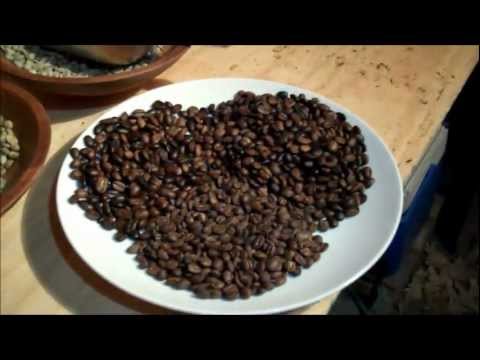
This video shows several ways to go about roasting your own coffee. So, if you’ve never done this before, check this video out before give it a try:
Our Best Green Coffee Beans for Home Roasting
We kept the menu short on purpose: Costa Rica, Hawaii, Sumatra, and Colombia. Four roast personalities, four companies, four reasons to fire up the roaster.
Here are the green coffee beans we recommend for home roasting right now.
1. Good Times Costa Rican Tarrazu, Green Unroasted Coffee Beans

If you want a Costa Rican green that rewards a careful medium roast, start with Tarrazu.
Our pick is Good Times Coffee Co. Costa Rican Tarrazu in the 1 lb green bag. Tarrazu sits in Costa Rica’s Los Santos highlands south of San José, a region with enough reputation that it earned its own denomination of origin.
Farms there work volcanic soil at Strictly Hard Bean elevations, so cherries ripen slowly and the beans come out dense. Dense beans are what home roasters want when they’re chasing even development and a cup that still tastes like the place it grew.
Expect the classic Tarrazu lane once you roast it: clean sweetness, soft citrus brightness, and that brown-sugar to milk-chocolate finish Costa Rica is known for. It isn’t a wild natural fruit bomb. It’s the kind of Central American profile that stays balanced from City to Full City, which makes it a strong everyday single origin and a useful blender if you like building your own house mix.
Good Times is a family small-batch outfit that sells both green and roasted coffee, and Tarrazu is one of the origins they actually stand behind on their own menu. You’re not buying anonymous “Costa Rica” filler. You’re buying a named highland origin from a company that already roasts this coffee for retail customers. The 1 lb size is right for dialing in a roast curve before you commit to a bigger sack.
Key takeaway: Tarrazu is Costa Rica’s benchmark highland coffee, and Good Times packages it as a real single origin for people who want to roast it themselves.
2. Green Coffee Traders 100% Kona Extra Fancy, Green Unroasted Coffee Beans
If you want real Kona green, not a tourist-shop blend with a Hawaiian sticker, this is the lane.
Our Hawaii pick is Green Coffee Traders 100% Kona Extra Fancy. That label matters twice.

First, it is 100% Kona, grown on the Kona belt of Hawaii’s Big Island, not the familiar “Kona blend” that can legally carry a little Kona and a lot of filler.
Second, Extra Fancy is Hawaii’s top Type I green grade: screen 19 beans, tight defect limits, and moisture held in the 9 to 12% window.
You’re paying for larger, cleaner beans that tend to track first crack together and give you a more even roast curve than mixed-size lots.
Green Coffee Traders has been sourcing specialty green for boutique roasters since 1993, with warehouses in the U.S. and Canada. They’re importers first, which is what you want on a rare origin like Kona.
This lot is fully washed and sun dried, and the cup leans floral, sweet, and lightly winey once you roast it. Keep development restrained. City to City+ usually shows Kona’s mild body and clean sweetness better than a hard push toward second crack, where that delicate profile can flatten into generic dark roast.
Tradeoff time: Extra Fancy 100% Kona costs more per pound than Central American greens, and the flavor is refined, not loud. If you want earthy punch or heavy chocolate, Sumatra or a dark-leaning Colombian will scratch that itch better. If you want to roast a benchmark Hawaiian single origin and taste the difference grade and purity make, this bag earns the slot.
Key takeaway: Extra Fancy 100% Kona is the top of Hawaii’s green grading ladder, and Green Coffee Traders is the kind of specialty supplier that actually stocks it for people who roast.
3. Fresh Roasted Coffee Sumatra Mandheling, Green Unroasted Coffee Beans
If you want syrupy body, low acid, and that classic Indonesian earthiness, Mandheling is the bean.
Our Sumatra pick is Fresh Roasted Coffee’s Sumatra Mandheling green beans. Mandheling is the big North Sumatra trade name most home roasters already know, often tied to the Lintong area around Lake Toba.
This lot sits in that lane: Typica and related cultivars from about 1,200 to 1,400 meters, finished with Sumatra’s signature wet-hulled process (giling basah). Hulling parchment while it is still damp is why Sumatran greens look a little wilder than washed Centrals, and why the cup comes out heavy, herbal, and low in sparkle.

Fresh Roasted Coffee LLC is a Pennsylvania specialty house that sells both green and roasted coffee at serious volume, with kosher certification and a green lineup built for people who actually roast.
The 5 lb bag is the right format here. Mandheling is a workhorse origin. You’ll burn through it as a solo darkish roast, an espresso blender, or the earthy half of a house mix with something brighter from Central America or Ethiopia.
Roast advice from the Indo playbook: don’t baby it with an ultra-light City drop. Wet-hulled Sumatras usually want a longer Maillard phase and solid post–first crack development. Medium to Full City, even into a restrained Vienna, is where chocolate, cedar, and spice show up without turning into charcoal. Expect lower acidity and a thicker mouthfeel than Tarrazu or Kona.
That is the point.
One honest distinction: this is Mandheling, not Gayo.
Gayo comes out of Aceh and can taste different. If you came looking for that specific Aceh profile, keep hunting. If you want the Sumatra most blenders and dark-roast fans mean when they say “Sumatra,” Mandheling from Fresh Roasted Coffee is the reliable sack.
Key takeaway: wet-hulled Mandheling is Sumatra’s heavyweight style, and Fresh Roasted Coffee packages it in a 5 lb green bag built for real roasting volume.
4. Stone Street Colombian Supremo, Green Unroasted Coffee Beans
If you want the classic Colombian cup and a forgiving roast curve, Supremo is the everyday workhorse.

Our Colombia pick is Stone Street Coffee’s Colombian Supremo green beans. Supremo is Colombia’s top size grade, usually screen 17/18. Bigger, more uniform beans roast more evenly than mixed Excelso lots, which is why home roasters keep Supremo around when they want consistent first crack and a clean, balanced cup.
You’re not buying a named microlot here. You’re buying the profile most people mean when they say “100% Colombian”: medium body, caramel and chocolate sweetness, and brighter acidity than wet-hulled Sumatra.
Stone Street is a Brooklyn specialty roaster that’s been at it since 2009. They roast Colombian Supremo for their own retail lineup, so this green bag comes from a company that already knows how the bean behaves in the drum, not a random commodity flipper. The 1 lb format is right for weekly roasting and for testing City through Full City before you decide whether Colombia becomes your house drip or your blender with something earthier.
Roast it like a Central/South American classic. A slightly extended Maillard phase helps silk up the mouthfeel. Drop around City to Full City for citrus-caramel balance, or push toward the edge of second crack if you want darker chocolate and less sparkle. It takes milk drinks and drip equally well, and it plays nicely in blends when Mandheling is carrying too much forest floor on its own.
Key takeaway: Colombian Supremo is the large-screen, even-roasting benchmark for washed Colombia, and Stone Street packages it as green for people who want that cup under their own roast curve.
Related Articles
- Coffee Roast Levels: Chart and Complete Guide
- Best Portable Coffee Roaster
- How to Store Coffee Beans
- Best Burr Coffee Grinder
Green Coffee Beans FAQ
What are green coffee beans for home roasting?
They are raw, unroasted coffee beans sold so you can roast them yourself. After roasting and a short rest, you grind and brew like any other coffee.
Are green coffee beans the same as unroasted coffee beans?
Yes. Home roasters and shops use both phrases. “Green coffee beans” is the more common search term. “Unroasted” shows up a lot on Amazon and retail labels.
Where should I buy green coffee beans for roasting?
Still, specialty importers are great for microlots. If you want convenient ordering and clear origin options, Amazon-sold greens like the four on this page are a practical start. Match bag size to how often you roast.
How long do green coffee beans last?
Stored cool, dry, and airtight, green beans usually outlast roasted coffee by a wide margin. Still roast within a sensible window for your crop and supplier. Once roasted, the freshness clock speeds up.
Should I roast Kona and Sumatra the same way?
No. Keep Kona development restrained (City to City+) so the mild floral sweetness survives. Give Mandheling more Maillard time and post–first crack development so the heavy body and chocolate/cedar notes show up.
Is 100% Kona different from a Kona blend?
Yes. 100% Kona is only Kona-belt coffee. Many “Kona blends” legally use a small percentage of Kona with other origins. Extra Fancy is also Hawaii’s top Type I green grade, so you are paying for size and cleanliness, not just a place name.
Green Coffee Beans for Home Roasting: Final Take
Want clean sweetness? Roast the Tarrazu. For graded Hawaiian purity, spend up for Extra Fancy 100% Kona. Mandheling is your 5 lb workhorse when you want syrupy low-acid depth. And Colombian Supremo still earns the everyday slot when you want a forgiving classic cup.
Do you want Green Coffee Beans for Home Roasting?
Pick the origin that matches your roast curve, buy the bag size that matches how often you roast, and stop settling for grocery-aisle “freshness” that was roasted weeks ago.
The Coffee Bean Menu. Updated July 2026.
2 Responses to “Green Coffee Beans for Home Roasting”
Sorry, the comment form is closed at this time.
Great article!
Blue Horse is wonderful! Kona produces some of the best coffee known to man! Thank you for sharing this awesome information!
Natasha
Natasha,
Thank you for your kind comments.
I went to your site and it looks great! I’m a huge popcorn fan, so I found your info very informative and useful.
Regards,
Jagger