What Did Ancient Humans Eat for Energy? A Coffee Bean Menu History Deep Dive
What did ancient humans eat for energy?
Long before energy drinks and pre-workout powders, people relied on dense, portable, real food.
- Ethiopian warriors ate coffee cherries pounded with butter into energy balls
- Spartan Olympians trained on dried figs
- Inca relay runners chewed coca leaves through the Andes
- Aztec warriors drank spiced cacao
- Roman legionaries marched on hardtack and bacon fat
The ingredients were different. The goal was identical: fat, natural sugar, and often caffeine, compressed into something you could carry into a fight, a run, or a harvest.
We made a video about this — the full 11-minute story is below. This article covers the same research, written out so you can read it, skim it, or send it to someone who insists coffee has always been a “morning thing” (hint: it’s a lot more recent practice than most think).
Watch: What Did Ancient Humans Eat for Energy? (YouTube)
Prefer video? We produced a full episode covering this same research — the Oromo energy ball, Spartan figs, Inca chasquis, Aztec cacao, Roman rations, and the night coffee was actually invented.

Click Here to Watch on YouTube
Want more coffee videos like this one, Subscribe HERE.
The Problem Every Ancient Human Had to Solve
Here’s the thing about energy: your body is a machine that burns fuel. It always has been. Take away the fuel, and the machine stops.
In the ancient world, stopping wasn’t an inconvenience. It was dangerous. A warrior who ran out of energy mid-battle didn’t get a water break. A mountain messenger who collapsed on a pass didn’t get an easy ride home. A farmer who couldn’t push through harvest didn’t eat that winter.
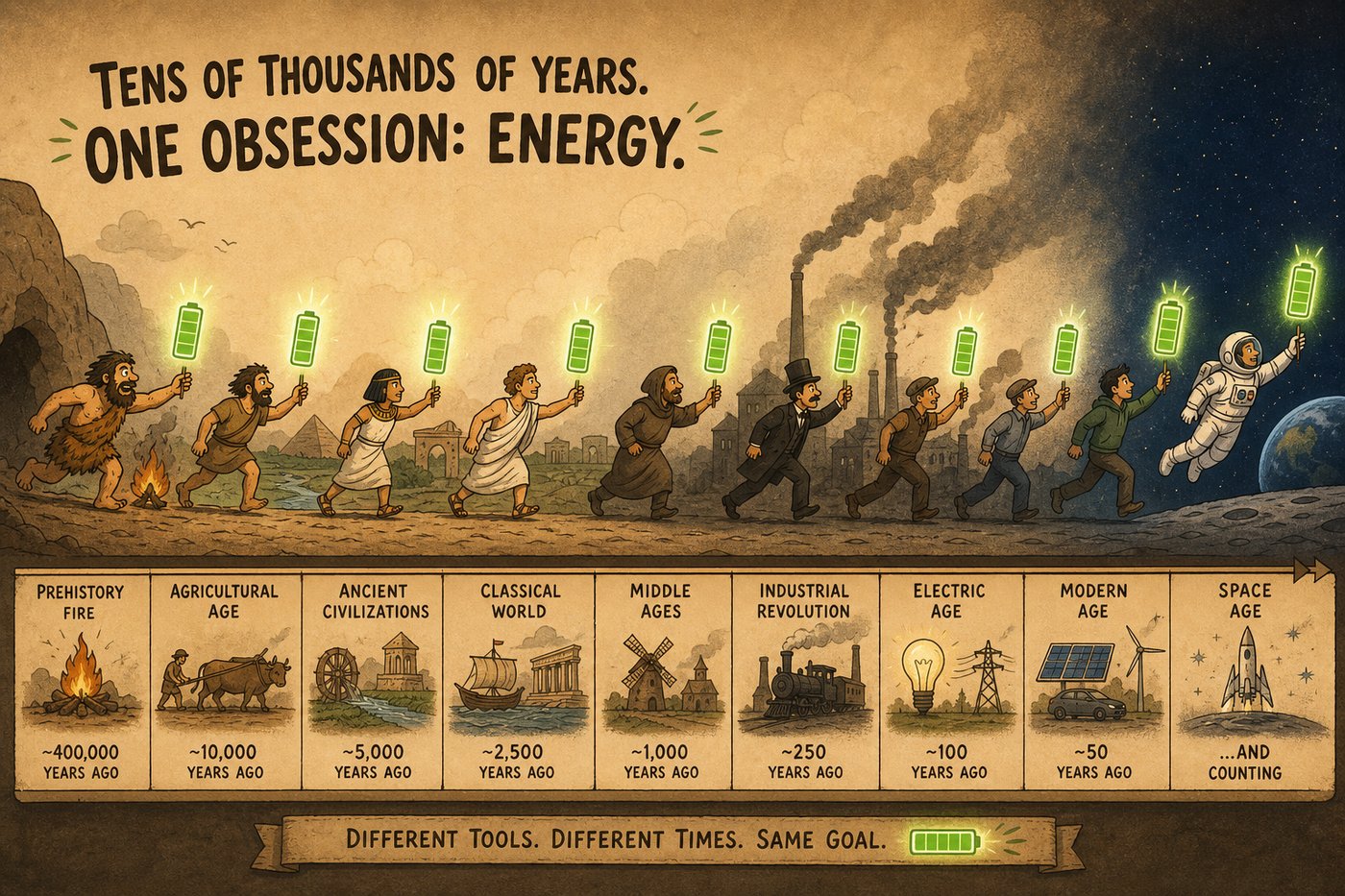
So for tens of thousands of years, one question sat underneath almost every human culture: how do I get more energy, carry it with me, and make it last? Every civilization answered it differently. Some answers were brilliant. Some were bizarre. A few, frankly, were terrifying.
Let’s start with the one that changed everything.
Coffee Started as a Weapon, Not a Beverage
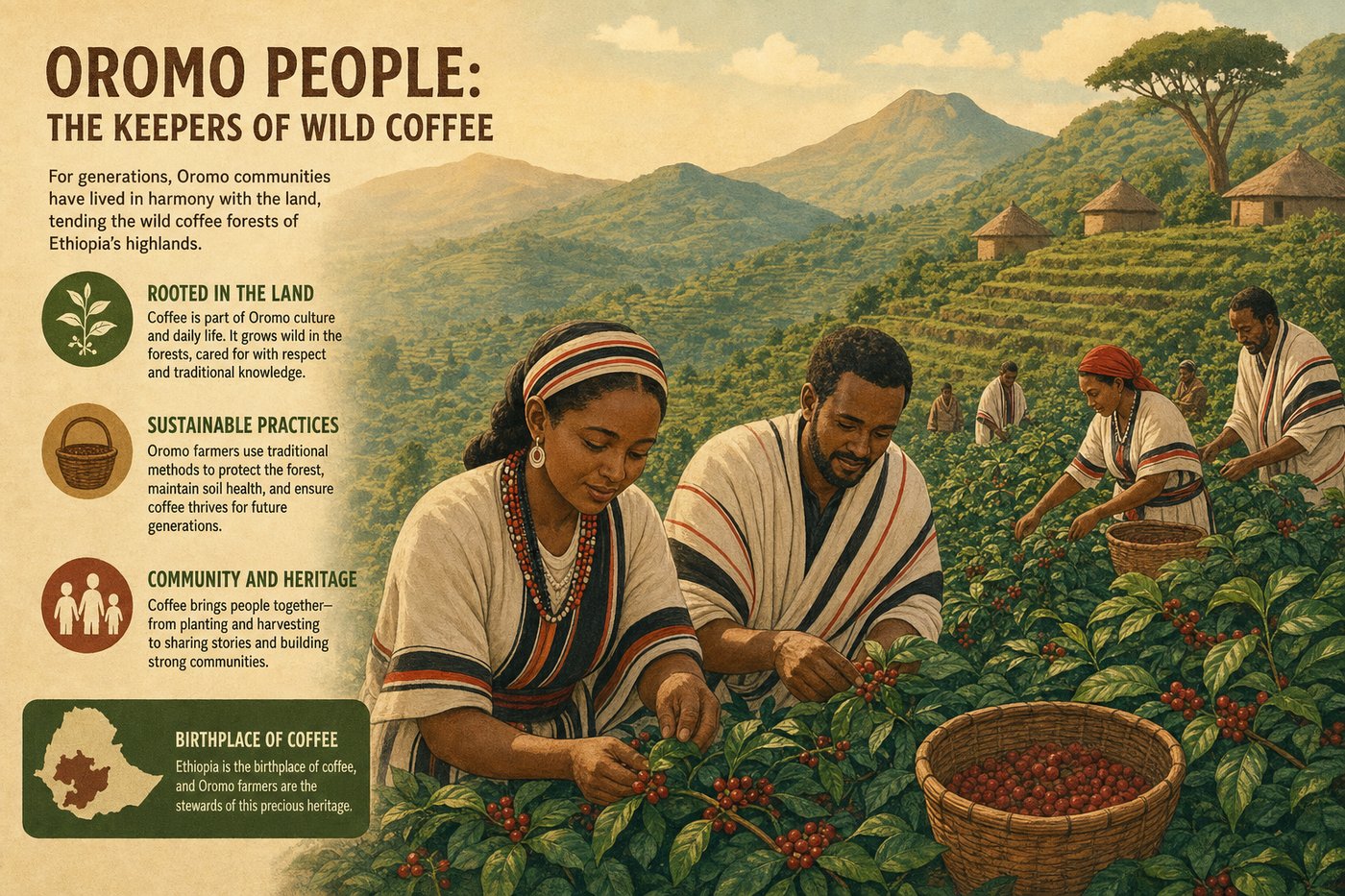
About a thousand years ago, in the highlands of what’s now Ethiopia, the Oromo people knew about a wild plant growing on the hillsides. Red berries. Dark seeds inside. We’d recognize them instantly today: coffee cherries.
But the Oromo weren’t brewing anything. They had a completely different idea.
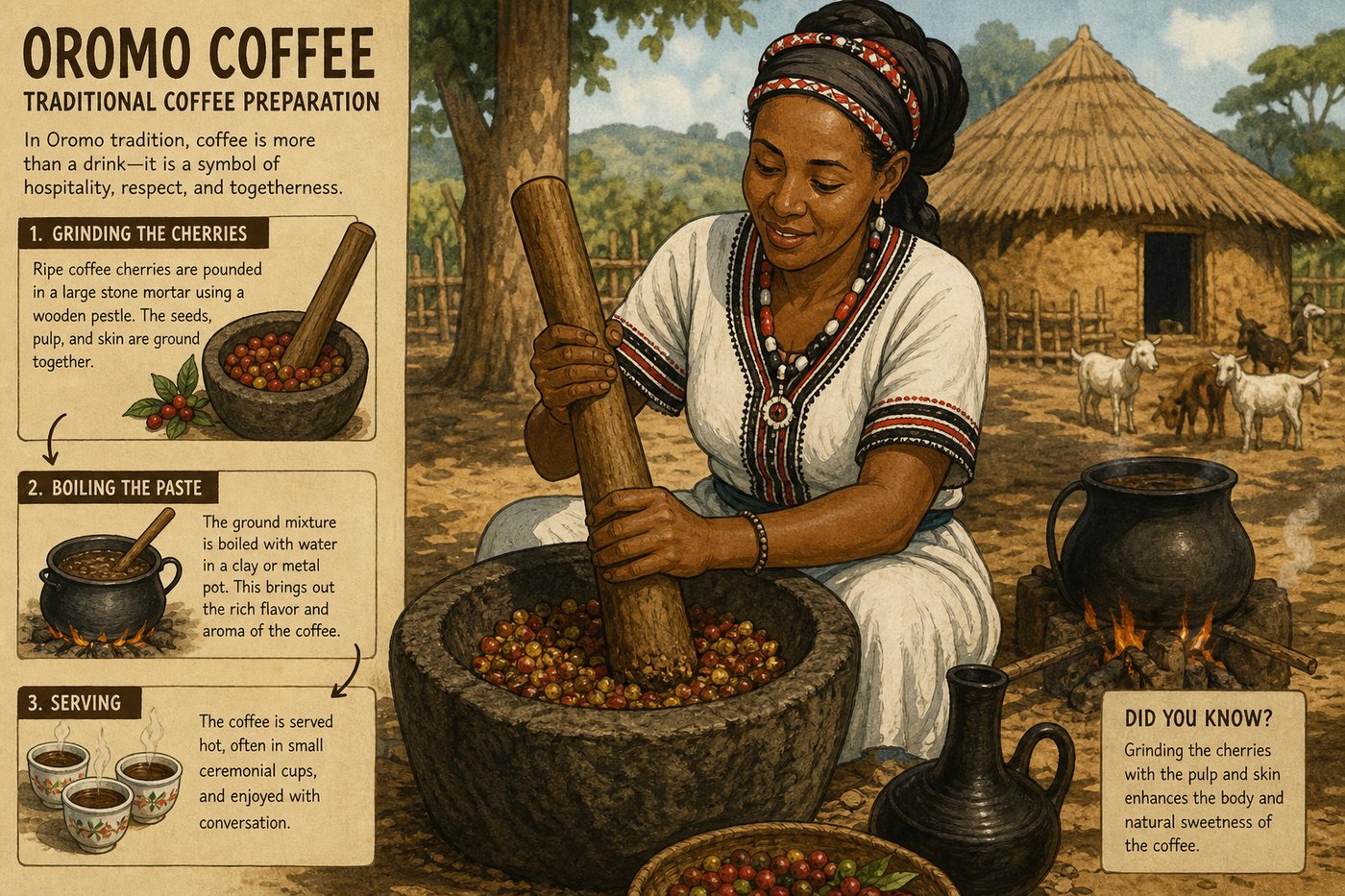
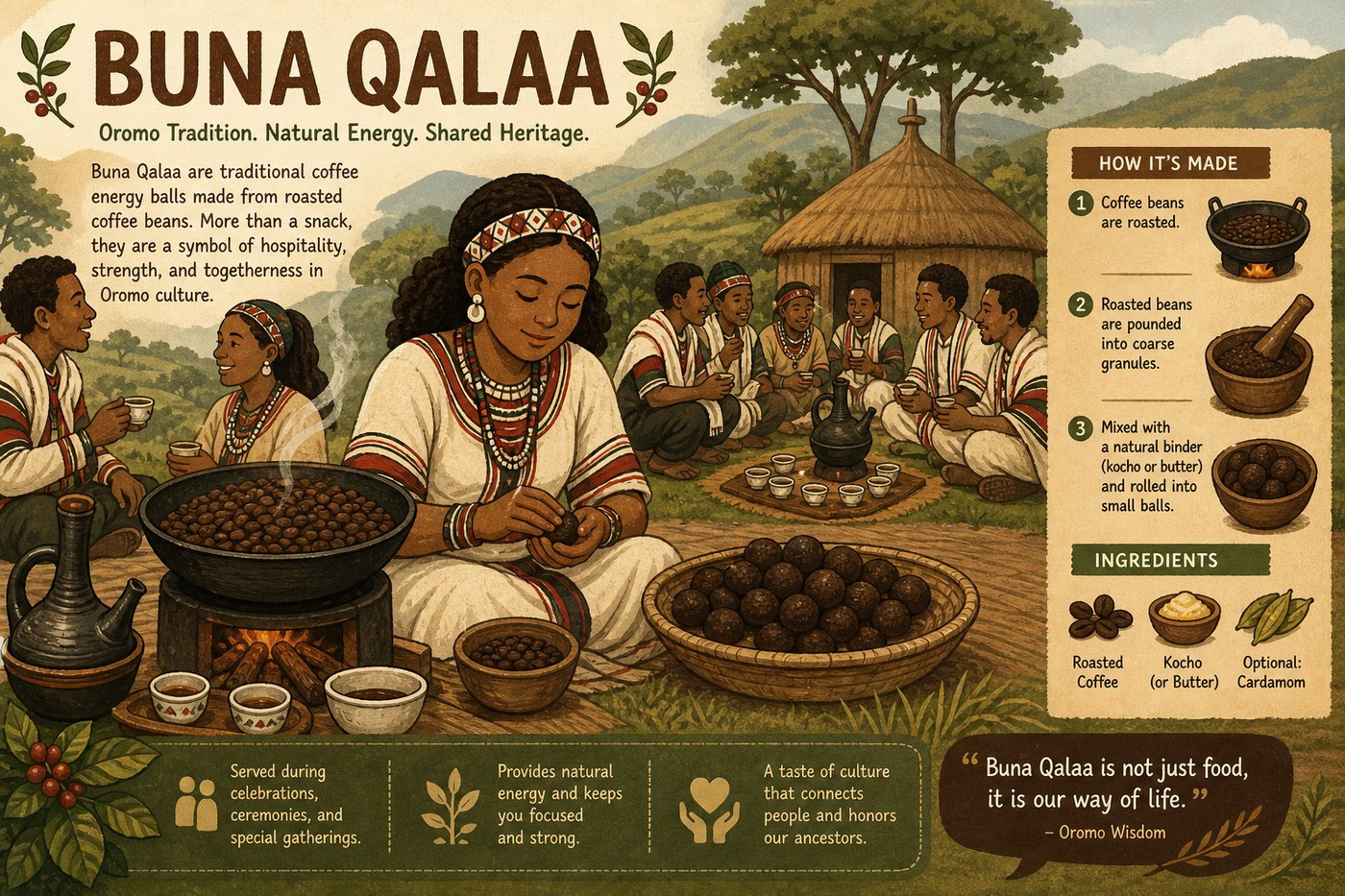
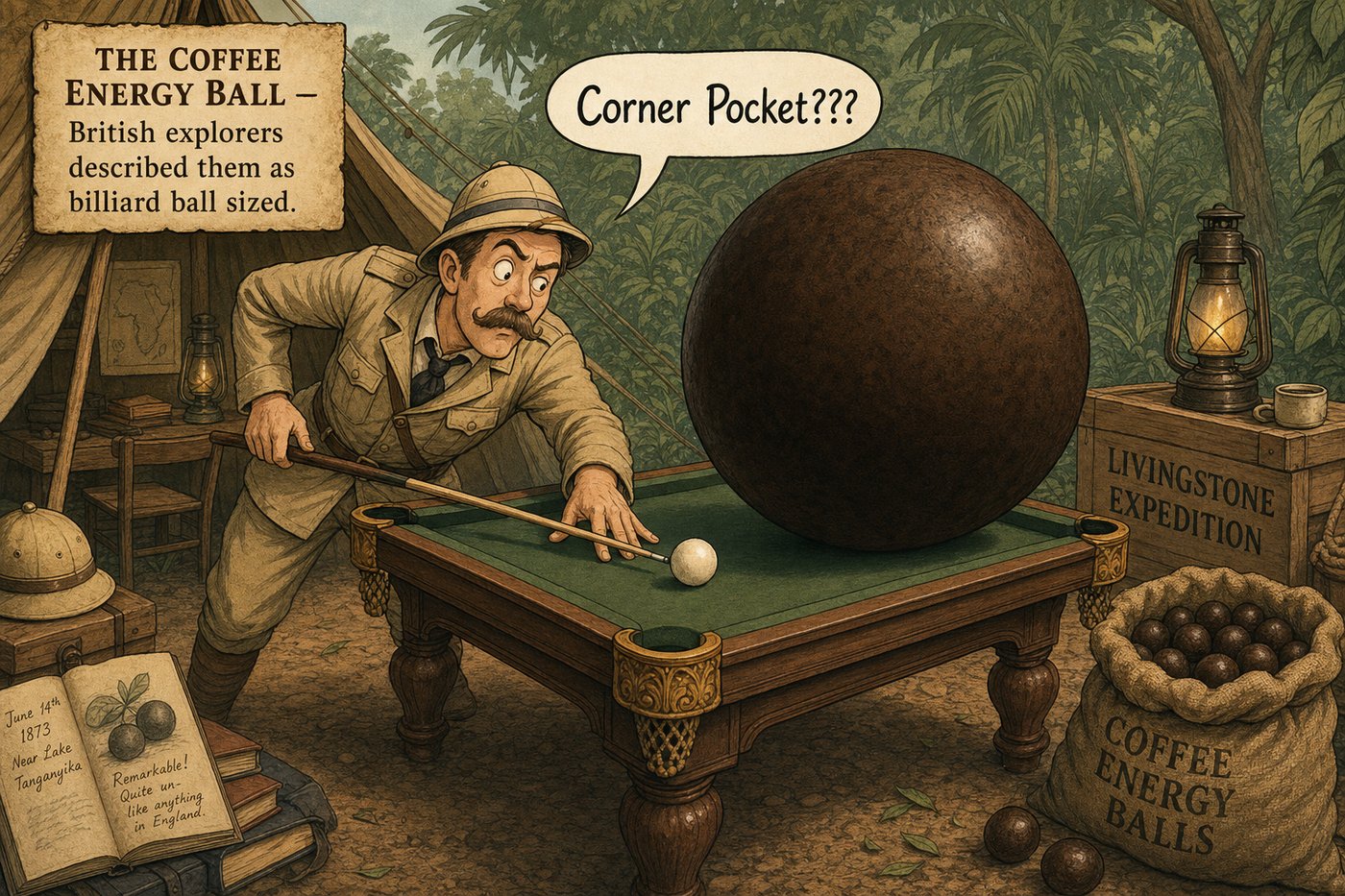
They picked ripe coffee cherries off wild trees and ground them in stone mortars — seeds, pulp, all of it. Then they mixed the paste with animal fat, usually butter, and rolled it into a ball. Not a small one, either. Explorer James Bruce, who traveled through the region in the 18th century, described “billiard ball–sized morsels” stored in leather pouches.
Warriors carried these into battle. Merchants carried them on weeks-long trade journeys. Farmers ate them during harvest. One ball supplied caffeine, fat, sugar, and protein — everything the body needed to keep going, compressed into a fist.
This is what “coffee” actually was for most of its history on Earth. Not a morning ritual. A weapon.
The Oromo call this tradition buna qalaa — roughly, “slaughtering coffee.” It’s still practiced today, not as a relic, but as a living ceremony tied to weddings, blessings, and community gatherings. Barista Magazine’s look at buna qalaa describes it as less a beverage and more a symbol of fertility, hospitality, and belonging.
Sit with that for a second.
The coffee you drink on a quiet Sunday morning has a closest ancestor that was carried in a leather pouch, into battle, a thousand years ago.
Every Culture Had Its Own Version of an Energy Bar
The Oromo weren’t alone in this. Every culture, on every continent, was chasing the same answer with different ingredients.
How Energy Was Acquired in Ancient Greece
Let’s go to ancient Greece.
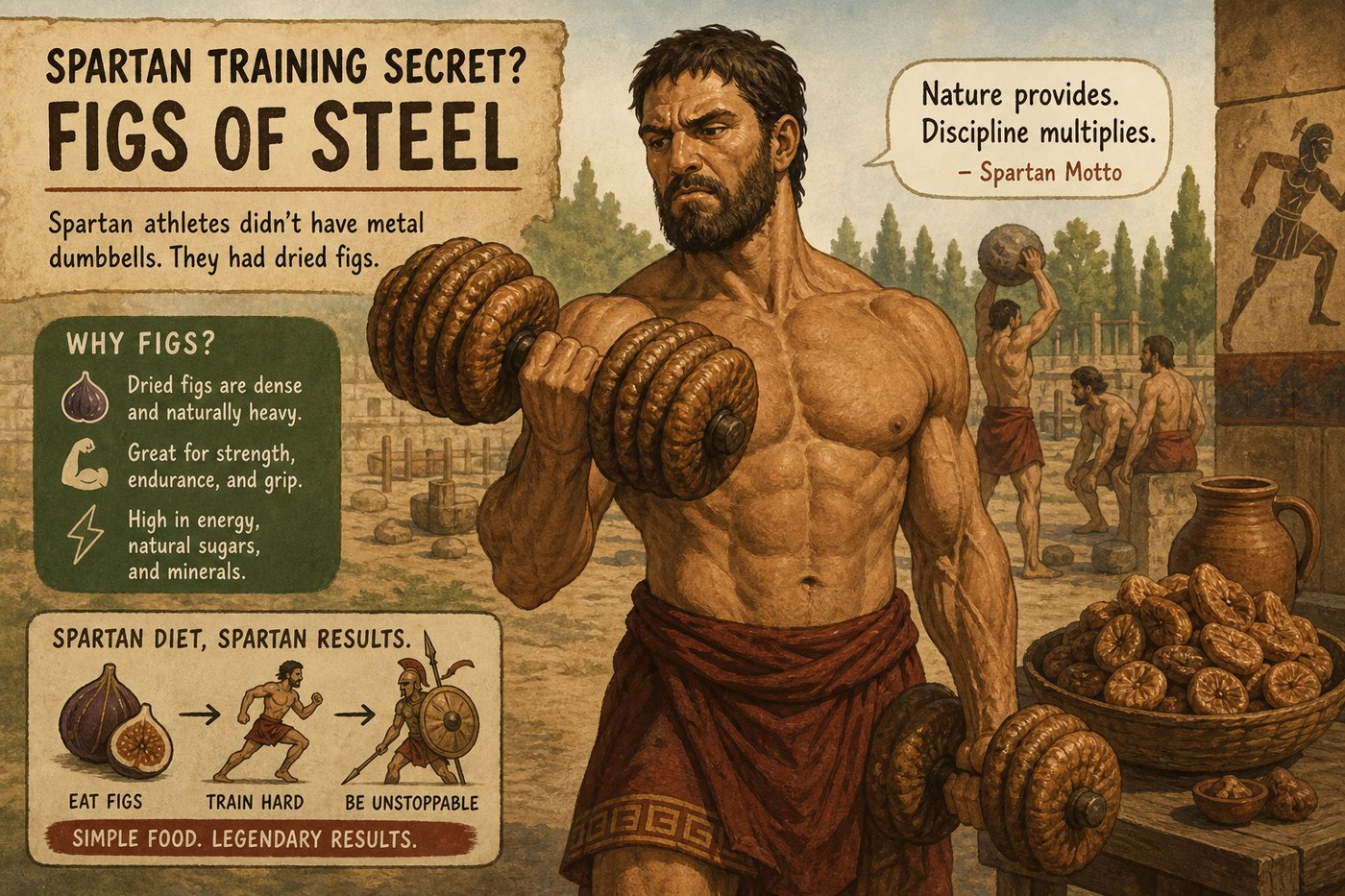
Around 776 BC, the Olympic Games began, and the greatest athletes in the ancient world trained on… dried figs. Charmis of Sparta, winner of the 200-meter race in 668 BC, trained almost entirely on them — not steak, not a protein-heavy diet, just dense, sugar-rich fruit for fast fuel.
Homer wrote about athletes recovering faster on honey, too. Modern sports science has since confirmed both ideas: quick natural sugars really do work as fast fuel.
How Was the Inca Empire Powered?
Now let’s go to the Andes.
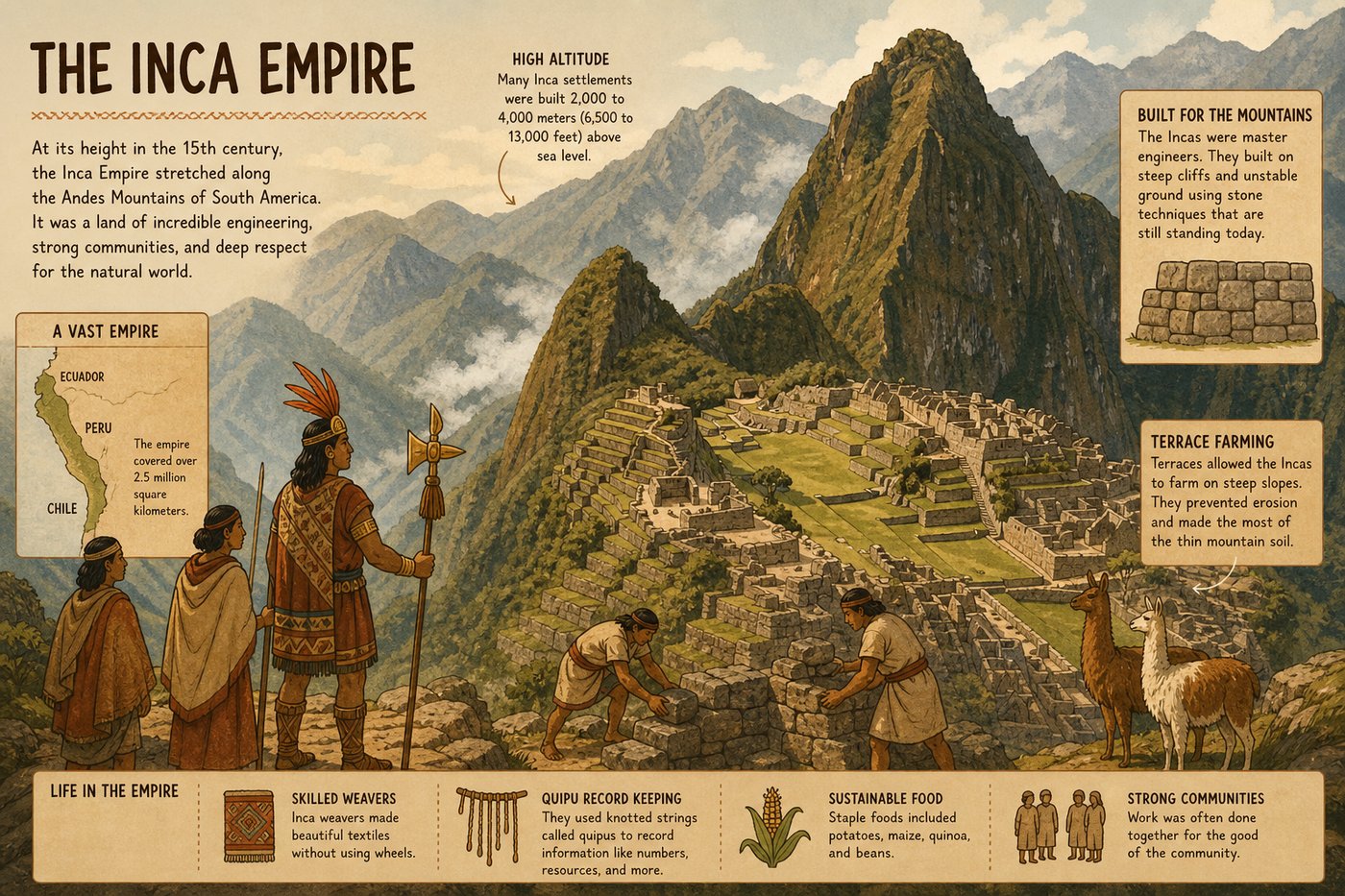
The Inca Empire ran on altitude, brutal terrain, and a communication system with no written language.
Their solution was the chasqui — elite relay runners who could move messages roughly 240 kilometers a day across the empire, on foot, through mountains. Their fuel was coca leaves, chewed slowly and held in the cheek.
Worth being precise here: cocaine is extracted from coca leaves through an industrial chemical process. Chewing the raw leaf doesn’t produce that effect — it suppresses hunger, thirst, fatigue, and altitude sickness, all at once.
The Inca treated coca as a strategic resource, distributed to runners and soldiers like a military ration.
Mexico Had Their Own Way to Acquire Energy
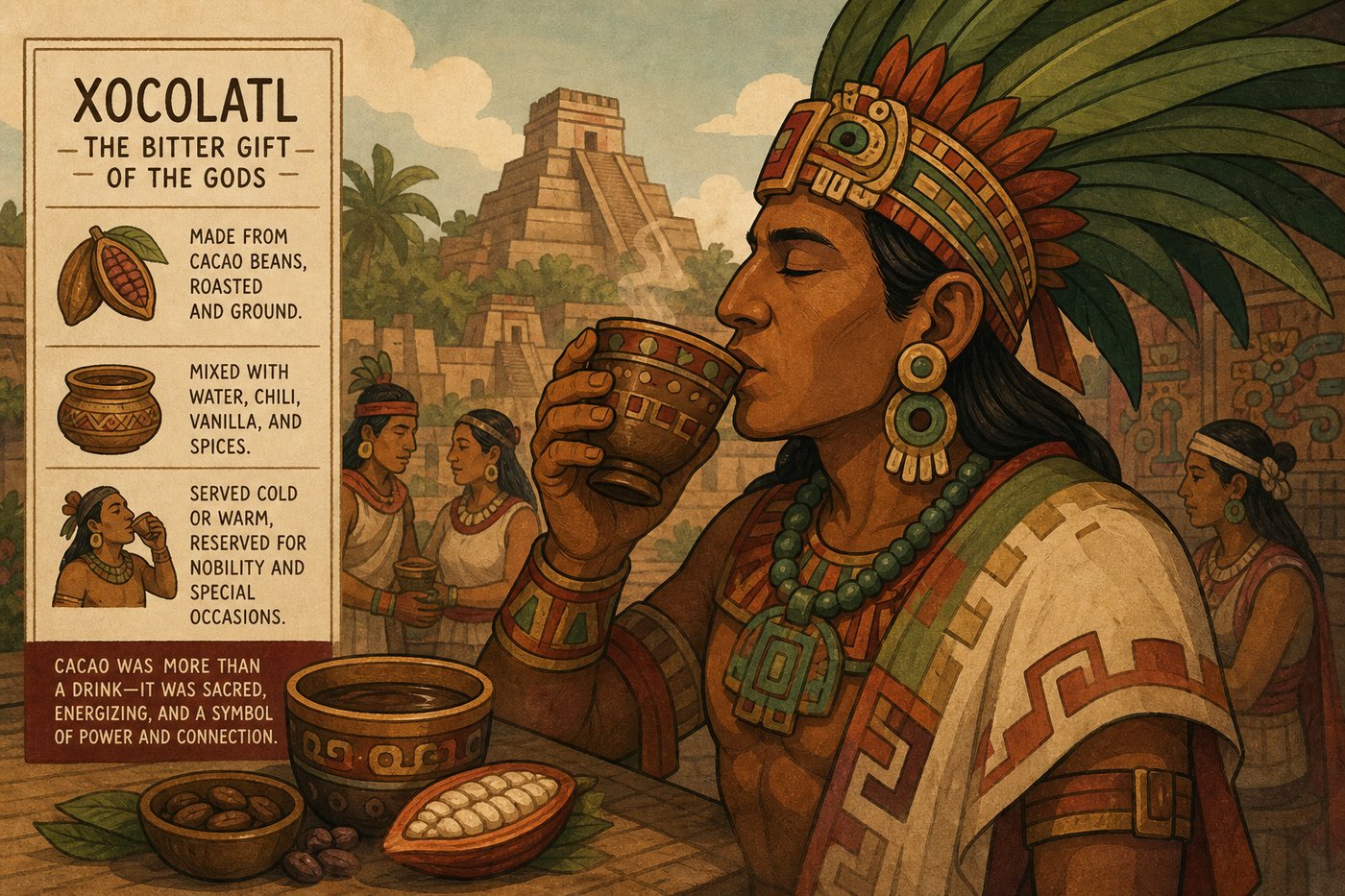
Meanwhile, in Mexico, Aztec warriors were drinking xocolatl — a bitter, spiced cacao drink.
Nothing like modern hot chocolate.
It was often served cold, unsweetened, and mixed with chili and vanilla.
According to History.com’s account of Aztec chocolate, the ruler Montezuma II reportedly drank enormous quantities of it daily and reserved cacao beans for his military. Cacao beans were so valuable they functioned as currency — a turkey could cost roughly a hundred of them.
Energy, quite literally, was expensive.
The Romans Needed a Lot of Energy
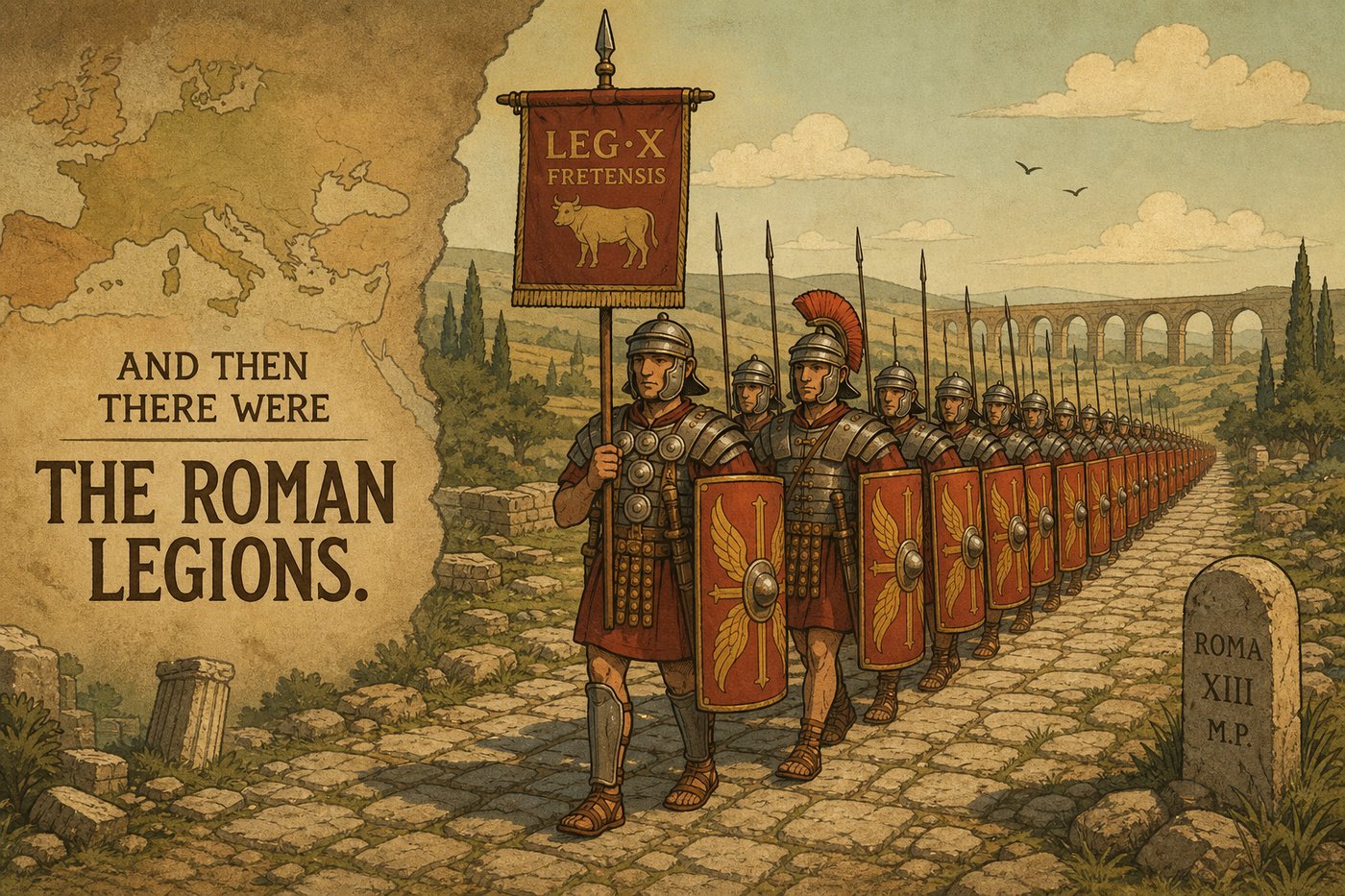
And then there were the Roman legions — the soldiers who built the most extensive road network on Earth and marched roughly 30 kilometers a day in full armor.
Their energy food was almost offensively simple: hardtack biscuit, bacon fat, and posca, a sour, vinegar-based drink. According to UNRV’s research on the Roman army diet, soldiers carried roughly 20 days of rations before a campaign.
Portable.
Calorie-dense.
Nearly impossible to spoil.
Rome’s legions didn’t eat well. They ate strategically…
And, it worked.
The Night a Sufi Scholar Invented Brewed Coffee
Here’s where the coffee story changes. Around 1454, in the port city of Aden, Yemen, a Sufi scholar named Jamal al-Din al-Dhabhani had a problem. His prayer rituals — called dhikr — lasted the entire night, hours of chanting the names of God.
He needed his students awake, alert, and focused, and he’d been relying on qat, a stimulant plant common in the region.
Supplies were running short.
He’d heard about something Ethiopian traders were selling: the coffee bean. So he roasted it, brewed it in hot water, and served the result in small clay cups at the start of the night’s vigil.
His students stayed alert, present, through the whole night.
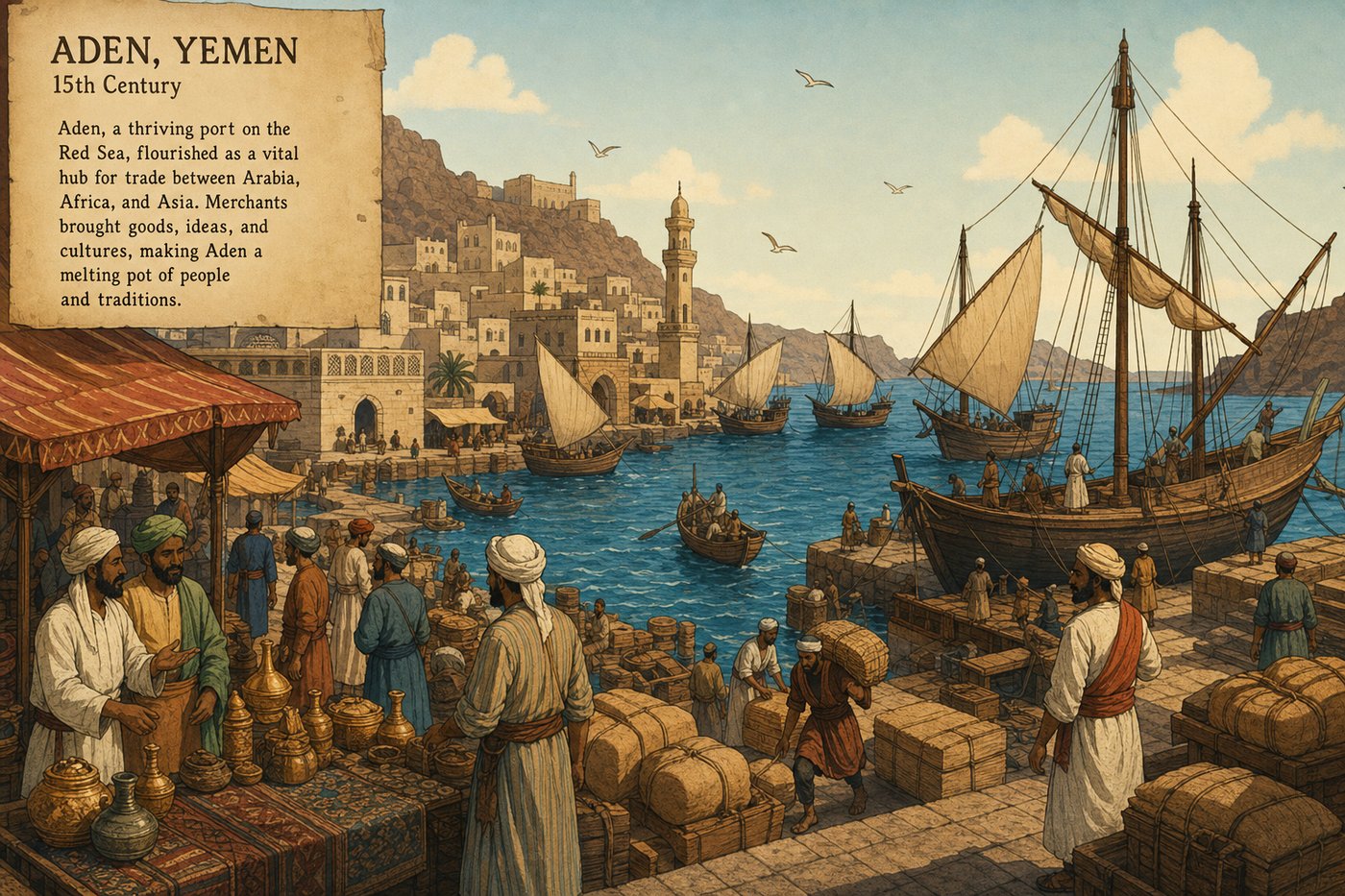
According to recorded coffee history, this moment is the first credible account of roasted, brewed coffee — not invented to start a morning, but to survive a night of prayer.
The Arabic word for coffee, qahwa, originally meant wine. Coffee was their intoxication, just not of the body.
Of the mind.
News spread through prayer networks, pilgrimage routes, and trade caravans.
Coffee reached Mecca by 1414.
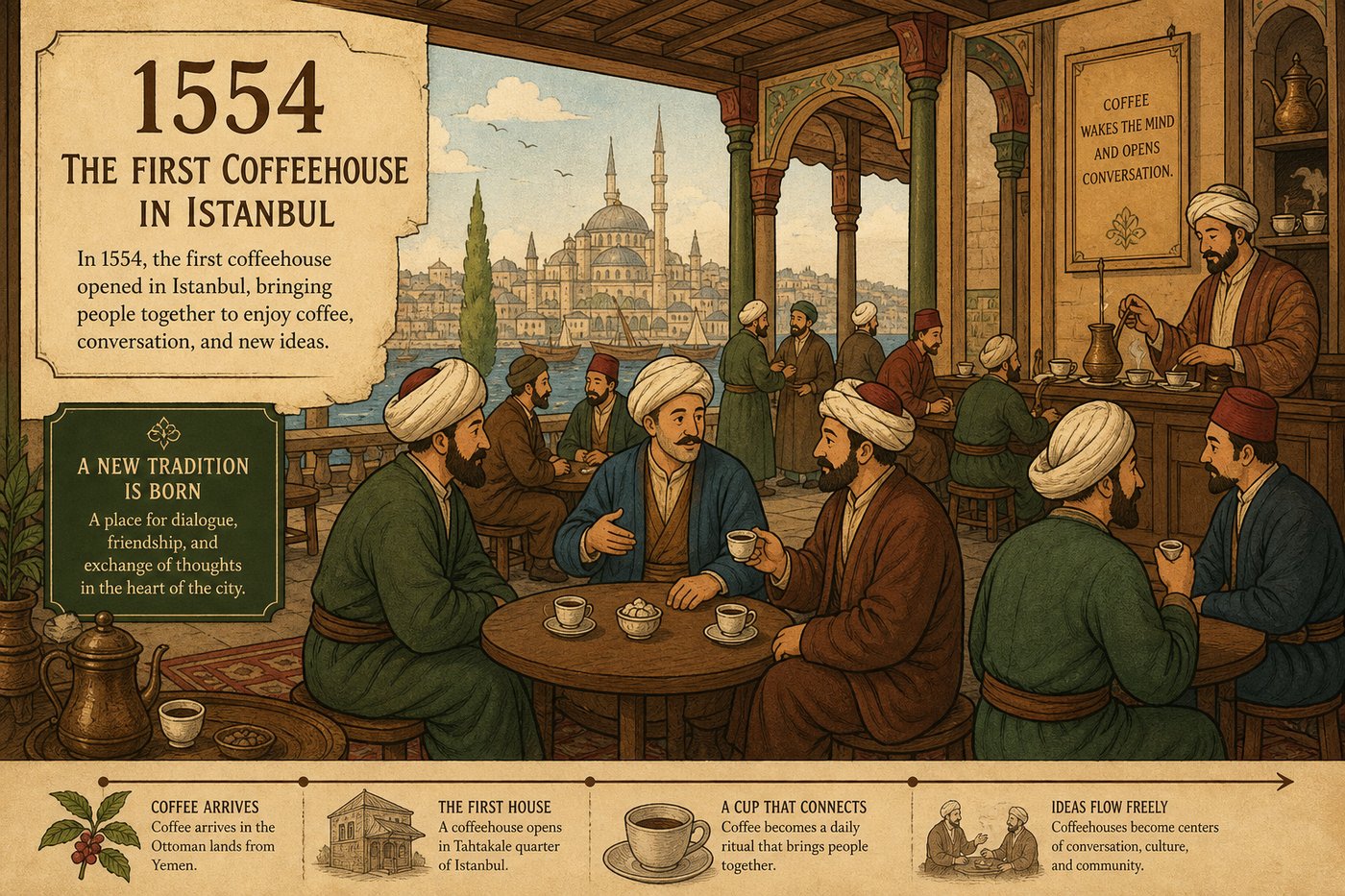
By 1554, the first coffeehouse opened in Istanbul.
Within two centuries of that first Sufi cup, coffeehouses existed in London, Paris, and Vienna — places people called “schools of the wise.”
Not coffee shops… Schools.
So When Did Coffee Become a “Morning” Thing?
Here’s a question nobody really asks:
When Did Coffee Become a “Morning” Thing?
- The Oromo ate coffee as battle fuel.
- Sufi mystics brewed it to survive the night.
- Ottoman coffeehouses served it for afternoon and evening debate.
So, at what point did it become the thing you drink before work?
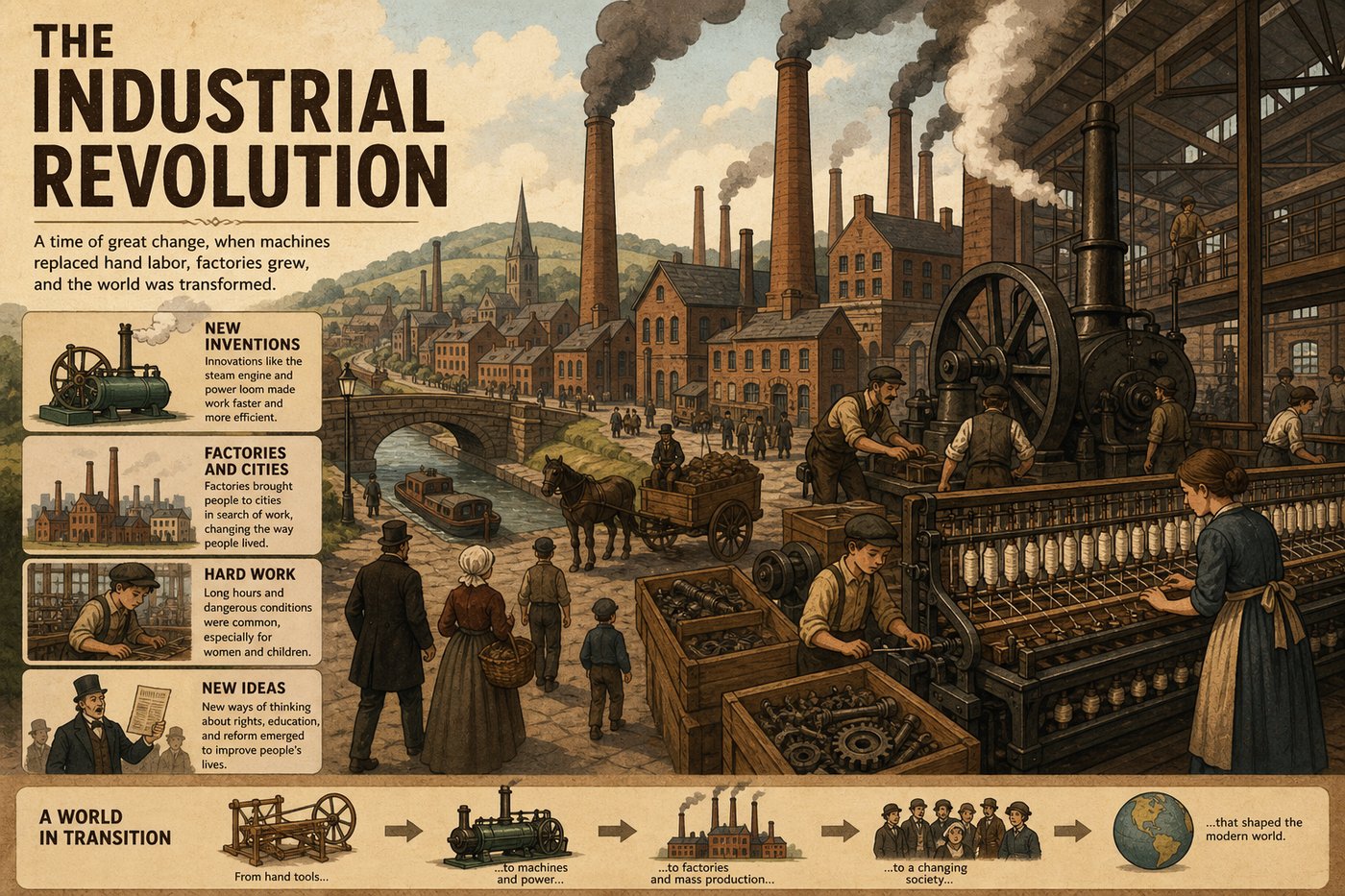
The answer is the 1800s — the Industrial Revolution. Before that, much of Europe drank low-alcohol “small beer” at breakfast, and not as a party. Historical accounts of small beer in medieval England describe it as a nutritious daily staple, closer to a mild, calorie-rich hydration source than the beer we think of today.
Then factories arrived.
New machines required precision. Timetables demanded punctuality. Workers couldn’t afford to show up buzzed from morning beer, so coffee replaced it — not by preference, but by necessity.
Here’s a fact that tends to land hard: the phrase “breakfast is the most important meal of the day” wasn’t handed down from ancient wisdom.
It traces back to a 1944 marketing campaign from a cereal company, built to sell more Grape-Nuts. That’s marketing, not history.
The morning coffee ritual you think of as ancient and timeless? It’s younger than the steam engine — built, in part, to make factory workers more productive.
The Same Question, Every Civilization on Earth
Ten thousand years of human history, and the specifics keep changing:
- Coffee fruit crushed with butter and carried into battle
- Figs eaten before the Olympics
- Coca leaves chewed on Andean mountain passes
- Cacao drunk cold with chili by Aztec soldiers
- Bacon fat and hardtack carried by Roman legionaries
- Sufi mystics brewing coffee in the dark of a Yemen night.
And now, YOU — espresso machine on the counter… A pod. A button. Thirty seconds.
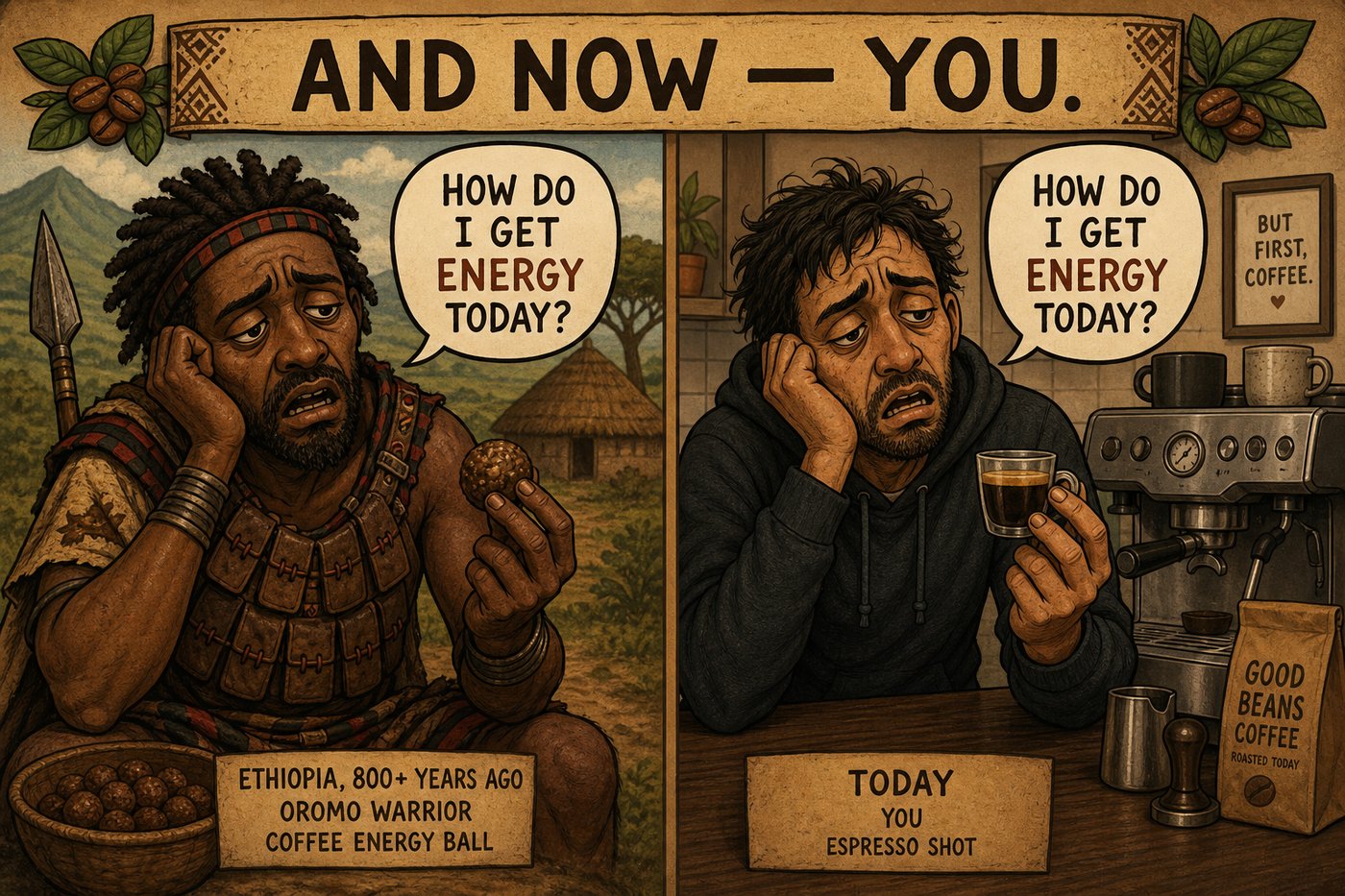
The tools have changed completely. But, the question never did:
How do I get the energy to do what I have to do today?
Every civilization on Earth has asked it. Your morning routine isn’t a quirk of modern life — it’s just the latest answer to the oldest human problem.
What do you use for energy when you really need it? Tell us in the comments — we’re curious whether it’s coffee, something stranger, or a habit passed down without anyone ever explaining why.
Frequently Asked Questions
What did ancient humans actually eat for quick energy?
It depended on the region: coffee-cherry-and-butter energy balls in Ethiopia, dried figs in ancient Greece, coca leaves in the Inca Empire, spiced cacao in Aztec Mexico, and hardtack with bacon fat in the Roman legions. All of them combined fat, natural sugar, and sometimes caffeine into something dense and portable.
Did ancient people eat coffee instead of drinking it?
Yes. For much of its early history, coffee wasn’t brewed at all. The Oromo people of Ethiopia ground whole coffee cherries and mixed them with butter to make portable energy balls, eaten rather than sipped. Brewed coffee, as we know it, doesn’t show up in the historical record until the 15th century in Yemen.
Why did coffee become a morning drink?
Coffee’s “morning ritual” identity is a fairly recent invention, tied to the Industrial Revolution in the 1800s. As factory work replaced agricultural and craft labor, workers needed alertness and punctuality that morning beer couldn’t provide, and coffee filled that role.
Related Articles on The Coffee Bean Menu
- What Is Mushroom Coffee? A Coffee Bean Menu Guide
- What Is Mocha?
- Coffee Bean Locations from Around the World
- The Coffee Bean Menu — Home
- The Caffeine Paradox: Does Caffeine Give You Energy?
- Is Matcha Better Than Coffee? Chemistry, Culture & Honest Verdict
Editorial note: This article covers historical accounts, archaeological and cultural research, and documented traditions — sourced and linked throughout. Some ancient claims (particularly early oral traditions and centuries-old travel writing) are still debated by historians, and we’ve tried to link to the strongest available sources rather than present folklore as settled fact.