Rulers Killed Coffee Drinkers. It Didn’t Work.
Rulers have killed coffee drinkers throughout history.
That is not hyperbole. And it is not a metaphor for a rough morning without caffeine.
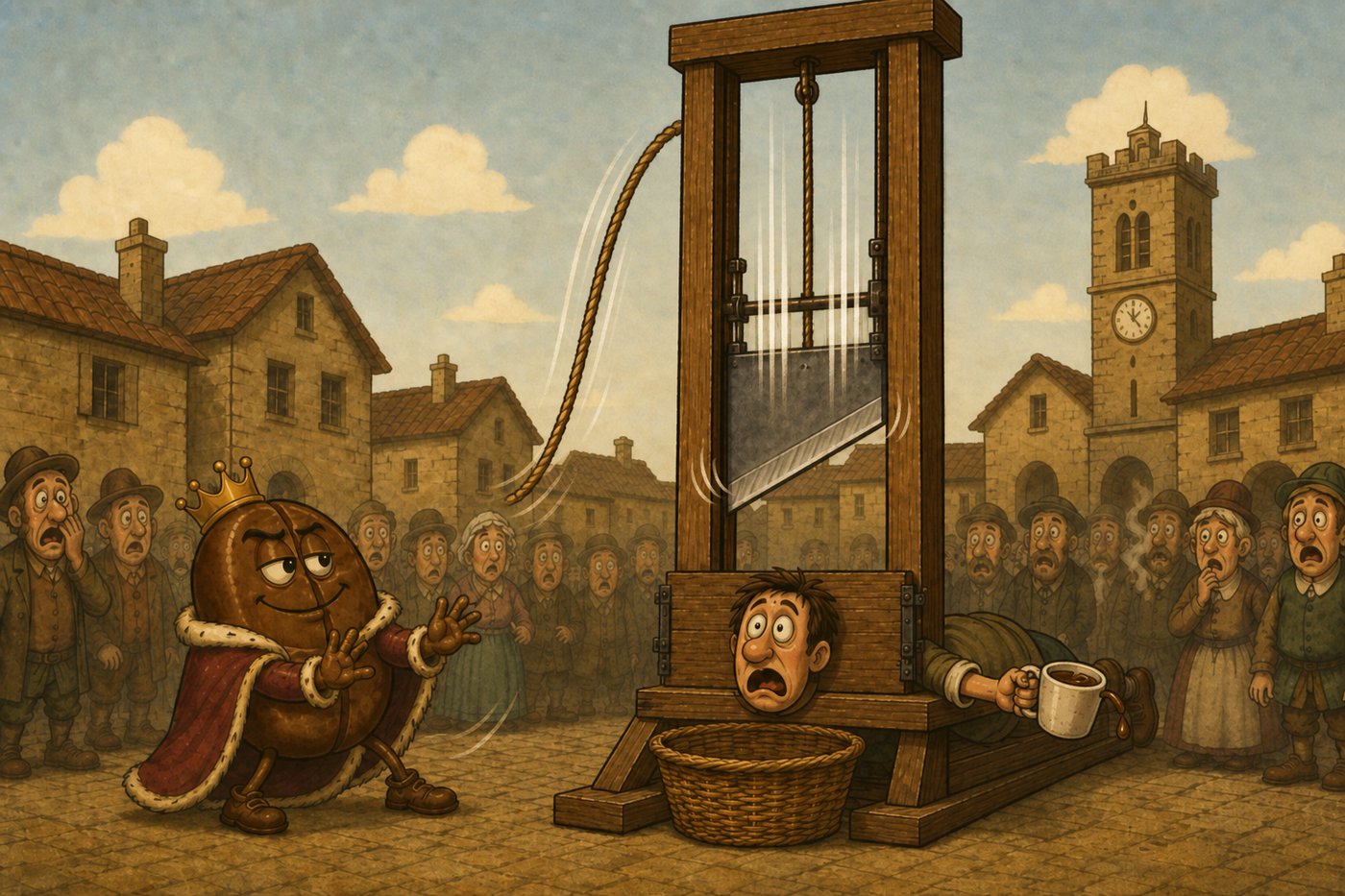
From the 1500s through the 1700s, monarchs, sultans, and governors outlawed coffee with real force. Guards beat people caught drinking it.
Officials seized their property.
Jails filled.
In the worst cases, they sewed drinkers into leather sacks and threw them into the sea!
Yet these rulers never truly feared the compounds inside the roasted bean. They feared what happened in the room after people drank it.
For centuries, authoritarian power leaned on an exhausted, mildly drunk, and scattered public.
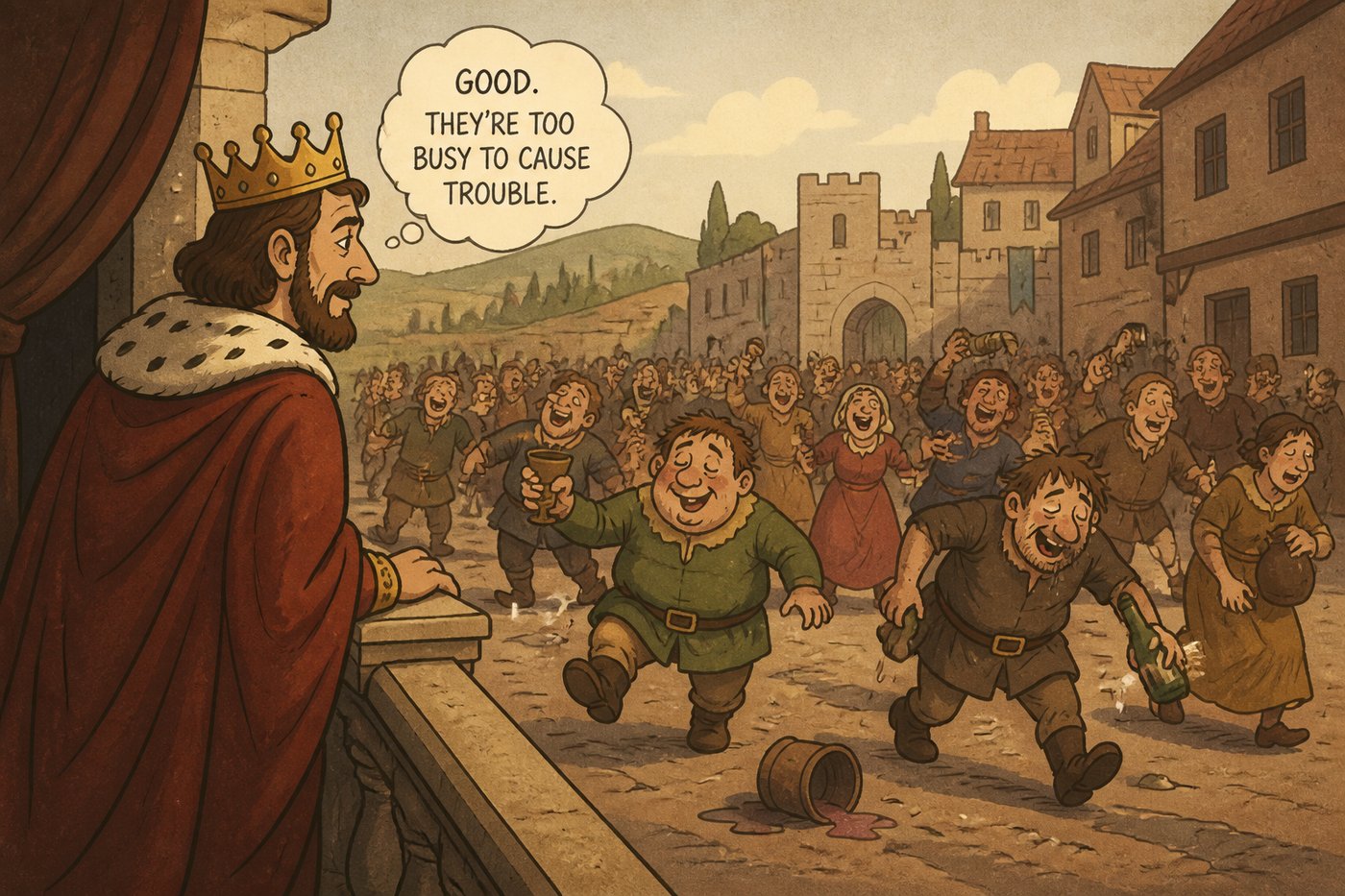
Then coffee broke that balance almost overnight. It brought mental clarity, extra energy, and cheap rooms where people read news, debated policy, and questioned their Leaders.
So we went back to Ottoman court records, Prussian police decrees, a strange Swedish twin trial, and English royal proclamations.
We wanted to figure out:
- Why did leaders fear coffee?
- Why did every ban collapse?
- And how did your morning cup survive as a quiet rebellion?

It Was Never About the Bean: How Coffee Broke Feudal Control
If you want to know why kings and sultans despised coffee, start with what people drank before it arrived.
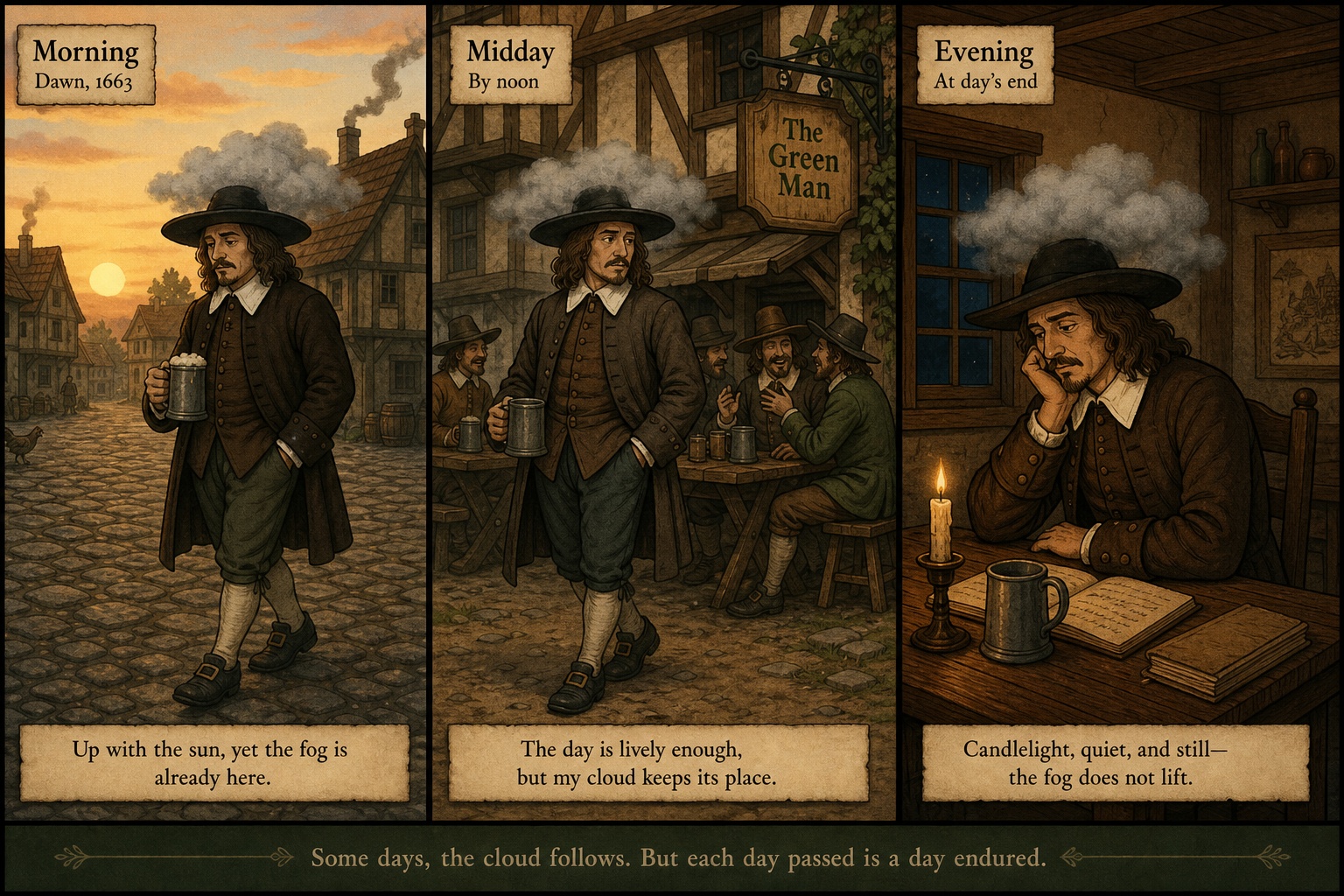
In medieval and early modern Europe, well water often carried cholera, typhoid, and dysentery. A sip from the wrong well could kill you.
Because boiling and fermentation killed those pathogens, people drank weak beer, ale, and watered wine at breakfast, lunch, and dinner.
That kept them alive.
But it also left nearly everyone mildly drunk from morning until night.
Then the trade routes shifted. In the late 1500s and early 1600s, coffee left Yemen and the Ottoman Empire for European ports.
Suddenly ordinary workers could buy a drink made with boiling water.
It was safe.
Yet it did the opposite of alcohol. Instead of dulling the senses, coffee sharpened the mind and chased off fatigue.
This made the conversation focused…
And, where did topics naturally drift towards? Of course, to their gripes and hardships. And, these typically pointed at the Rulers who were applying regulations and collecting taxes.
As we laid out in our guide to how caffeine works in the human brain, caffeine blocks adenosine receptors. That mutes the brain’s fatigue signal for a while. People who once shuffled through the day woke up, talked clearly, and wanted to swap ideas.
The Rise of Egalitarian Coffeehouses
And that was only half the problem for people in power. Coffee also found a new home: the coffeehouse.
Unlike taverns, where patrons drank themselves stupid, coffeehouses charged one penny at the door. That penny bought a warm cup, the latest newsletters, and a seat at a long communal table.
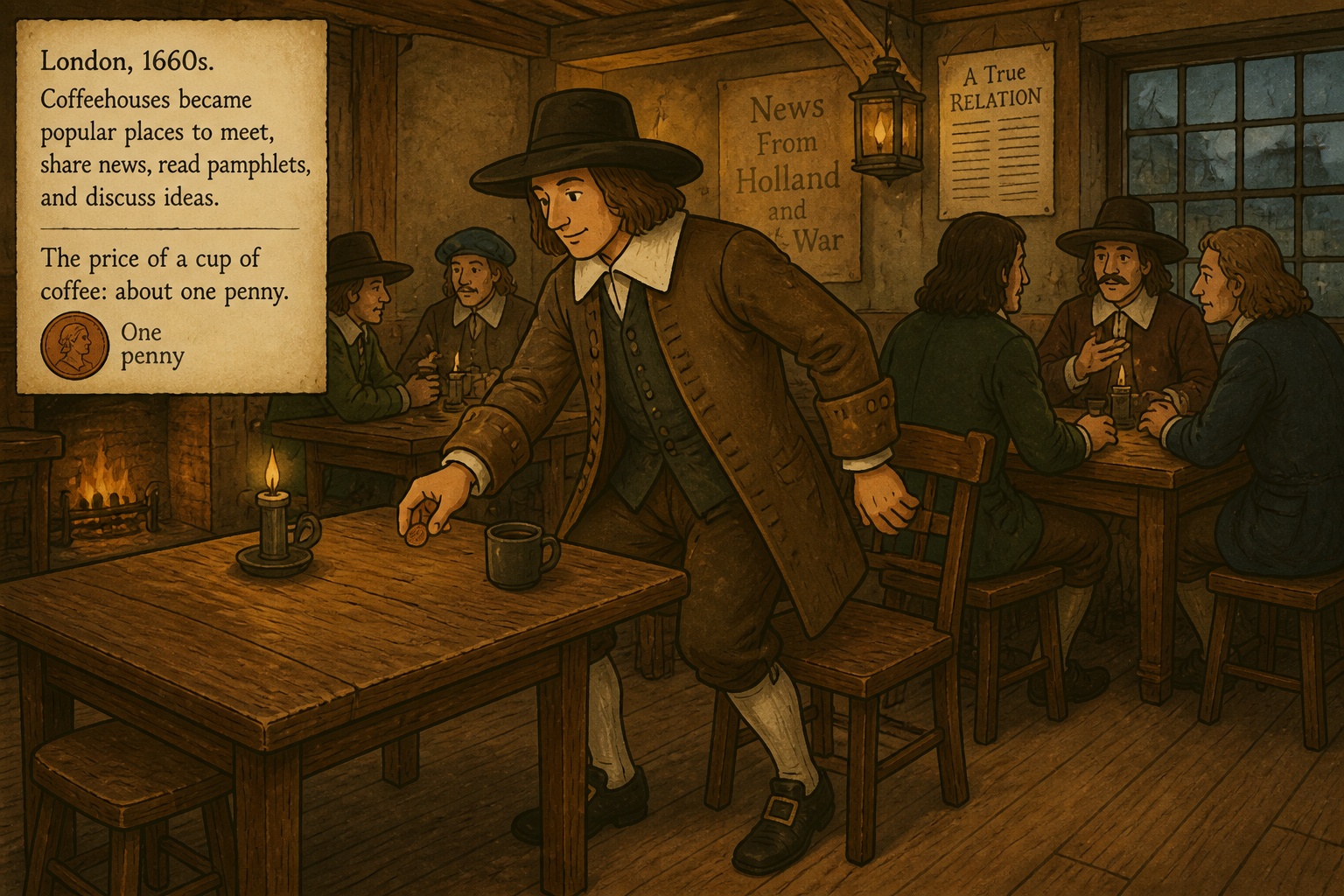
More importantly, the rooms were democratic. A title bought you nothing at the door. A merchant, a sailor, a typesetter, and a scholar sat side by side. Then they argued, out loud, about taxes, science, religion, and most of all, the king.
Rulers already knew how to handle a drunk, disorderly crowd.
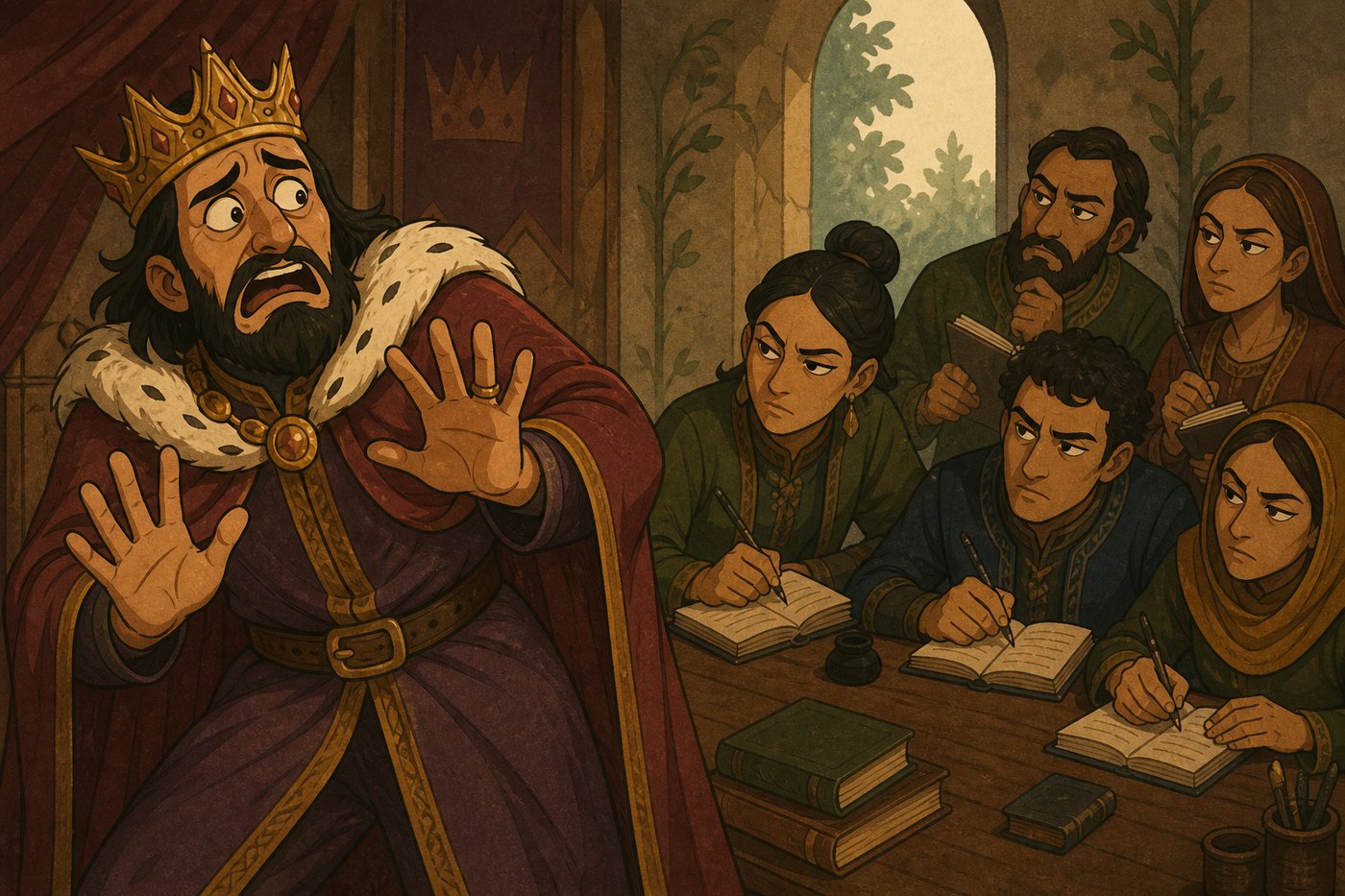
But a sober, wired room watching government corruption was a new kind of nightmare.
The First Major Coffee Ban: Mecca, 1511
That pattern showed up first on the Arabian Peninsula.
In the spring of 1511, Mecca’s governor, Khair Beg, left a mosque. He saw men drinking a dark brew called qahwa.
They recited poetry.
They sang.
And they laughed at verses that mocked his rule.
So Khair Beg called a tribunal of conservative scholars and compliant doctors. He pushed the doctors to say coffee acted like wine. If that held, Islamic law would forbid it.
Armed with that verdict, he closed Mecca’s coffeehouses. Then he burned warehouses of beans in public.
The ban barely lasted the year.
When the decree reached Cairo, the Mamluk Sultan Kansuh al-Ghawri was furious. He drank coffee during long councils. And he saw no scriptural reason to ban it.
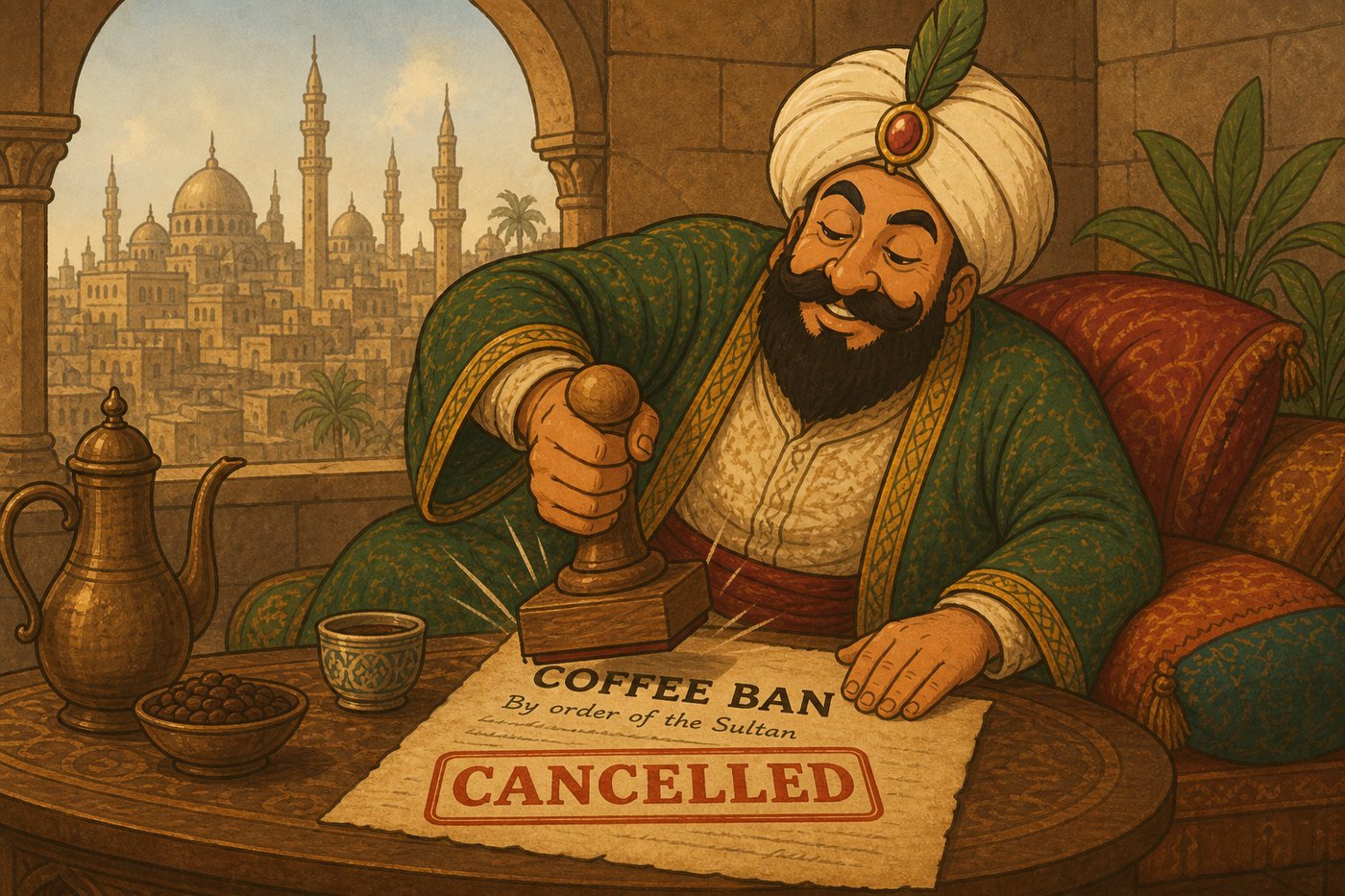
Historian Ralph S. Hattox tells the rest in Coffee and Coffeehouses: The Origins of a Social Beverage in the Medieval Near East. The Sultan overturned the ban and declared coffee lawful. Officials later removed Khair Beg and executed him for corruption.
Meanwhile coffee kept spreading across the Middle East.
So the pattern was set. A frightened official tries to crush coffee. The public refuses. Eventually coffee wins.
The Ottoman Empire: When Drinking Coffee Carried the Death Penalty
The Ottoman Empire in the 1600s chose terror instead.
By the early 1630s, Istanbul was huge and unstable. Coffeehouses sat in every neighborhood. The Janissaries, the empire’s elite infantry, used them as unofficial headquarters. When soldiers hated their pay or their commanders, they planned mutinies over strong coffee.
After years of rebellions and city fires, Sultan Murad IV decided terror would restore obedience.
In 1633, he blamed a huge Istanbul fire on smokers and coffeehouse gossip. Then he made coffee, tobacco, and alcohol capital crimes.
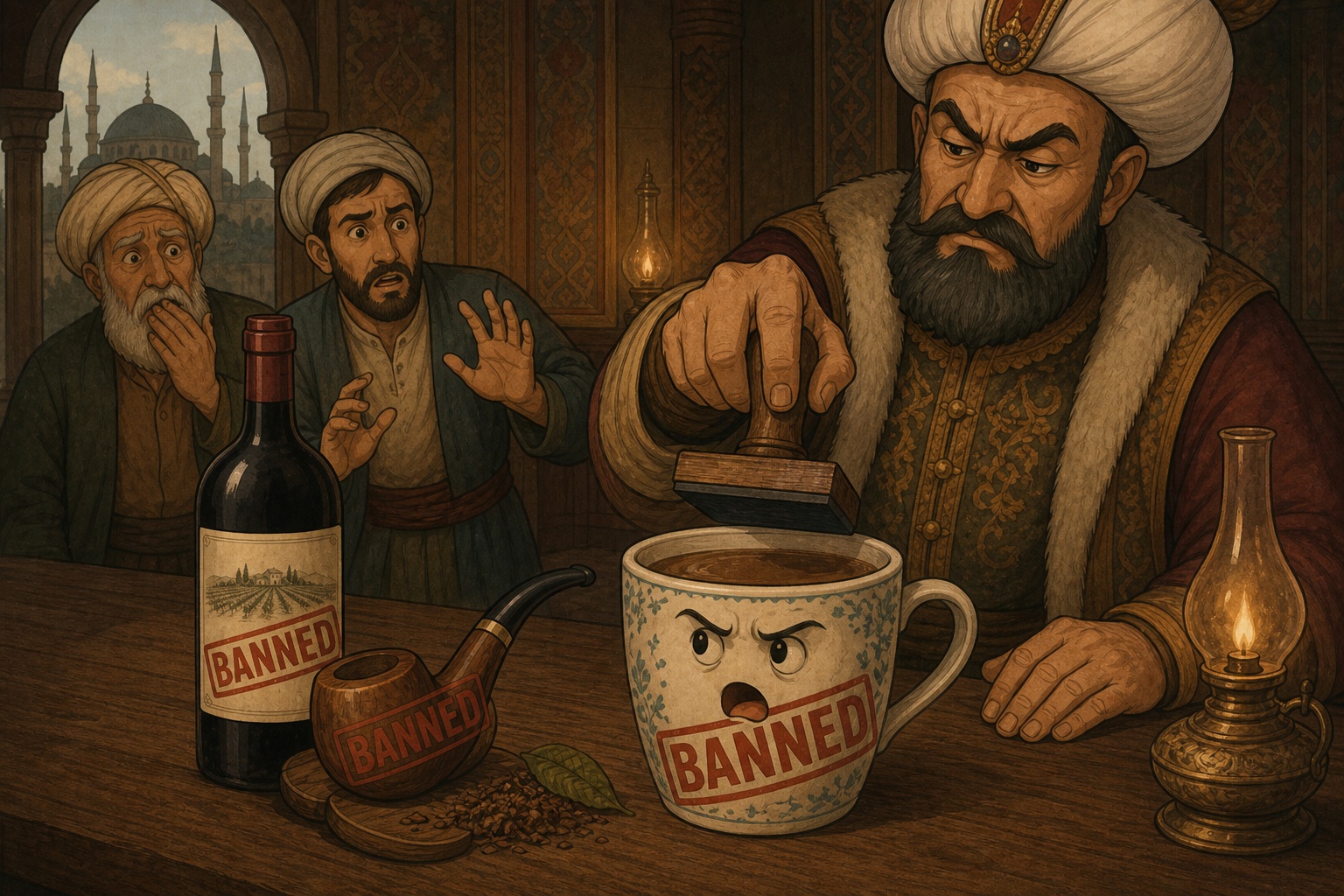
Murad did not want warnings or fines. He enforced the death orders himself.
Disguised Night Patrols and the Bosphorus Drownings
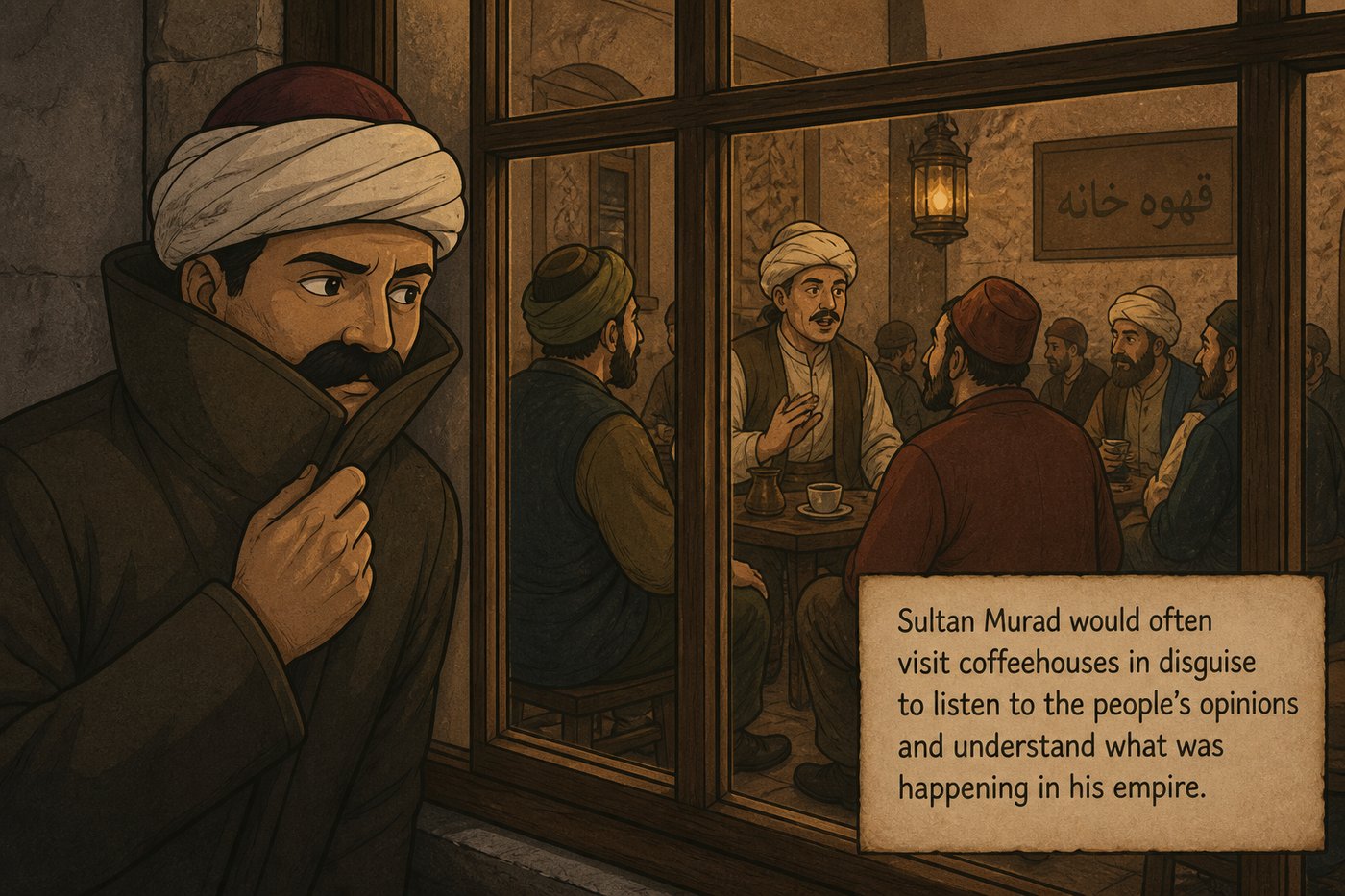
Scholar Cemal Kafadar and the World History Encyclopedia describe what came next. Murad often dressed as a merchant or soldier. At night he walked Istanbul’s alleys with an executioner and a broadsword.
If he caught you drinking coffee once, his men beat you with cudgels on the spot. A second catch was worse.
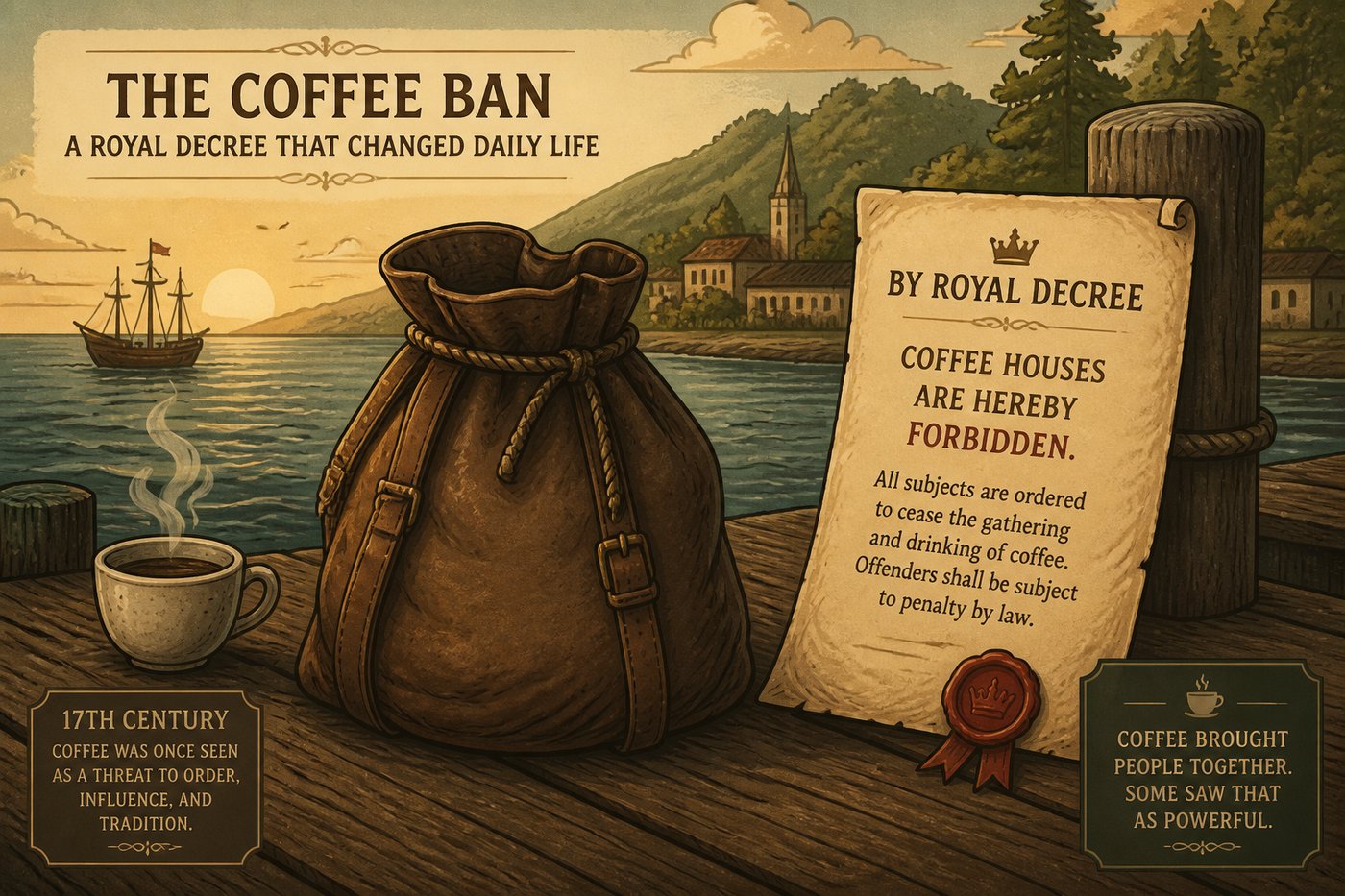
Guards sewed repeat offenders into weighted leather sacks. Then they rowed them into the Bosphorus and dropped them in. Chronicles say thousands died during Murad’s seven-year reign of terror.
Yet even that failed to kill Ottoman coffee culture.
Shop owners built trapdoors, hid pots in basements, and posted lookouts. People still risked their lives for the cup. The talk and the clarity had become too useful to drop.
When Murad died in 1640, at age 27, the his replacement flipped the strategy.
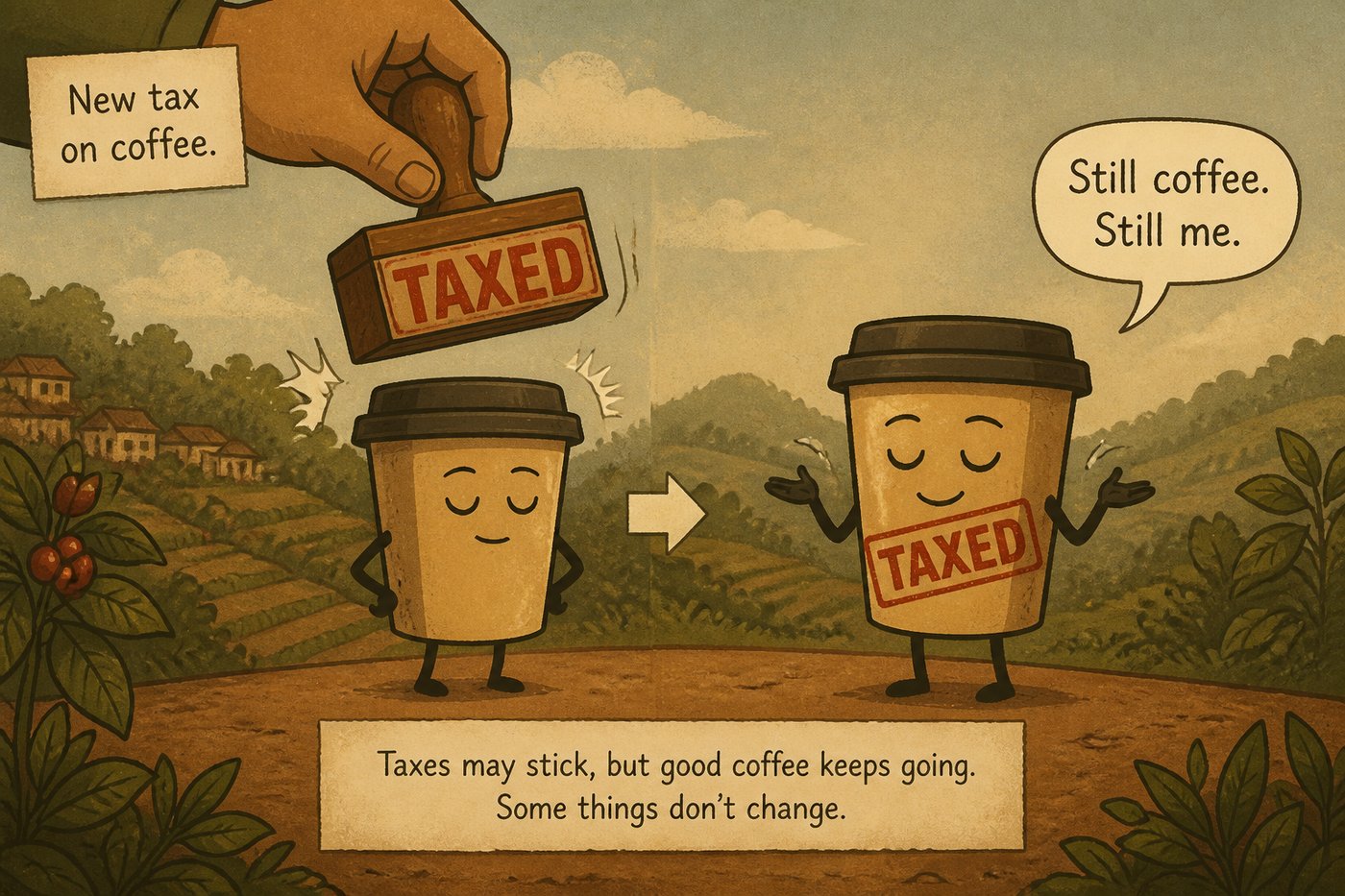
His successor, Sultan Ibrahim I, saw that violent prohibition drained the treasury and still failed. So he ended the executions. Instead he put a heavy customs duty on imported beans.
Within a few years, the Ottoman treasury made money from the drink it had tried to destroy.
Prussia’s Coffee Sniffers: The King Who Hired Professional Noses
In 18th-century Prussia, King Frederick the Great fought coffee for a different reason. He worried about money, not street plots.
By the late 1770s, nobles and workers both drank coffee. The plants need a tropical climate, so they would not grow in Prussian soil. Prussia therefore bought millions of pounds of green beans each year. Gold and silver left the kingdom with every shipment.
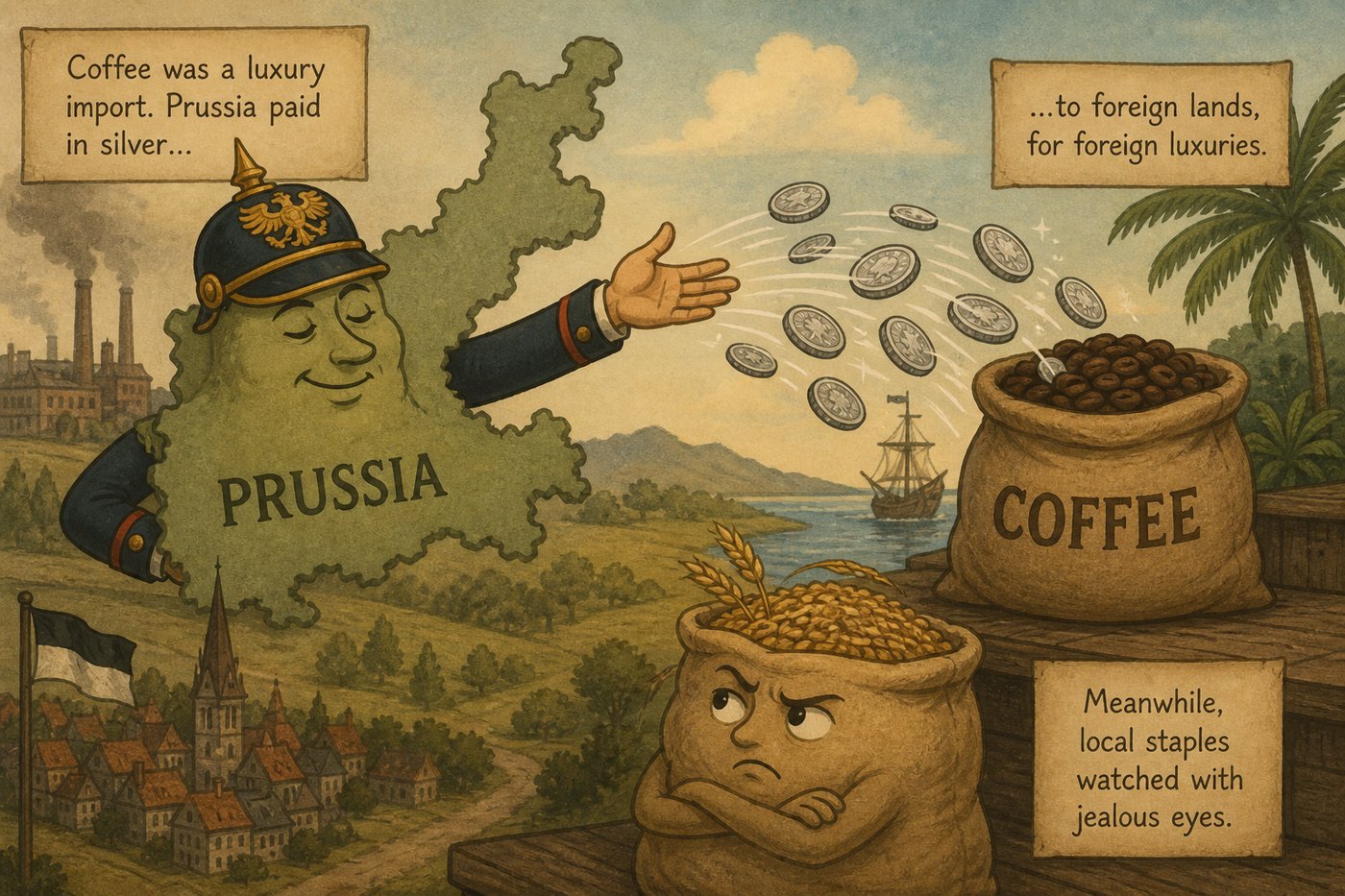
Frederick treated that trade gap as a national emergency. In 1777 he published his Coffee Manifesto. He told subjects to drop foreign coffee and go back to Prussian beer.
He claimed his ancestors and soldiers grew strong on beer soup, while coffee made people weak and nervous. Smithsonian Magazine records the pitch. Frederick wanted Prussian grain to feed Prussian brewers, not foreign coffee traders.
The Royal Roasting Monopoly and the Kaffeeschnüffler
When lectures failed, Frederick tightened the law. In 1781 he banned private roasting. Only state houses, courtiers, and rich nobles who paid huge fees could roast legally.
To police ordinary homes, the crown hired about 400 wounded veterans as Kaffeeschnüffler, or Coffee Sniffers.
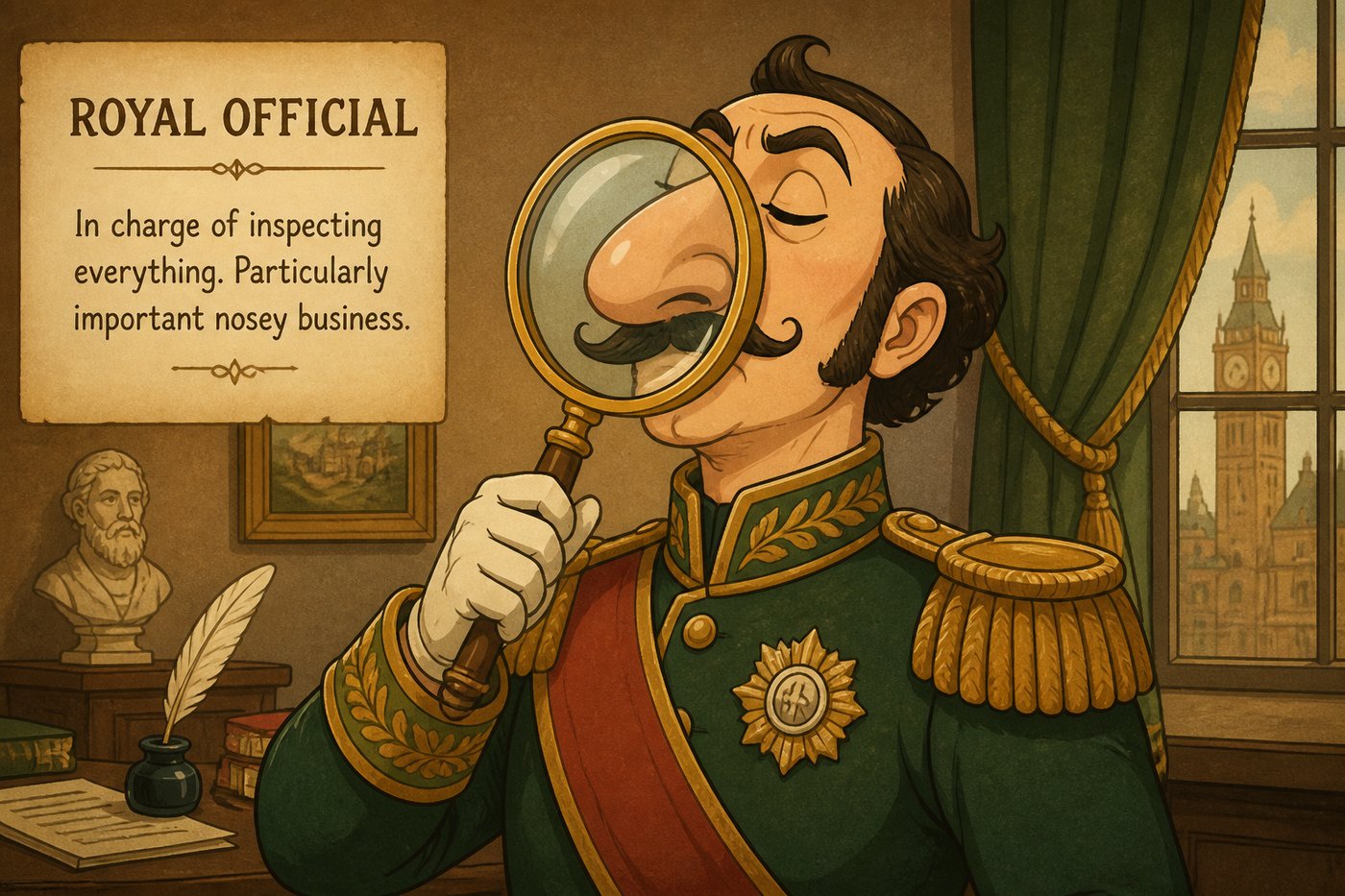
These agents walked Berlin, Potsdam, and smaller towns with their noses in the air. They hunted the smell of roasting beans in chimney smoke.
If a sniffer caught that scent at a house without a permit, constables raided it. They seized beans and pots. Then they levied crushing fines. Informants took a cut, so neighbors turned on neighbors.
Instead of going back to beer, Prussians built a black market. Smugglers hid green beans in baby carriages, hollow furniture, and hearses. Families roasted tiny batches at night behind covered windows.
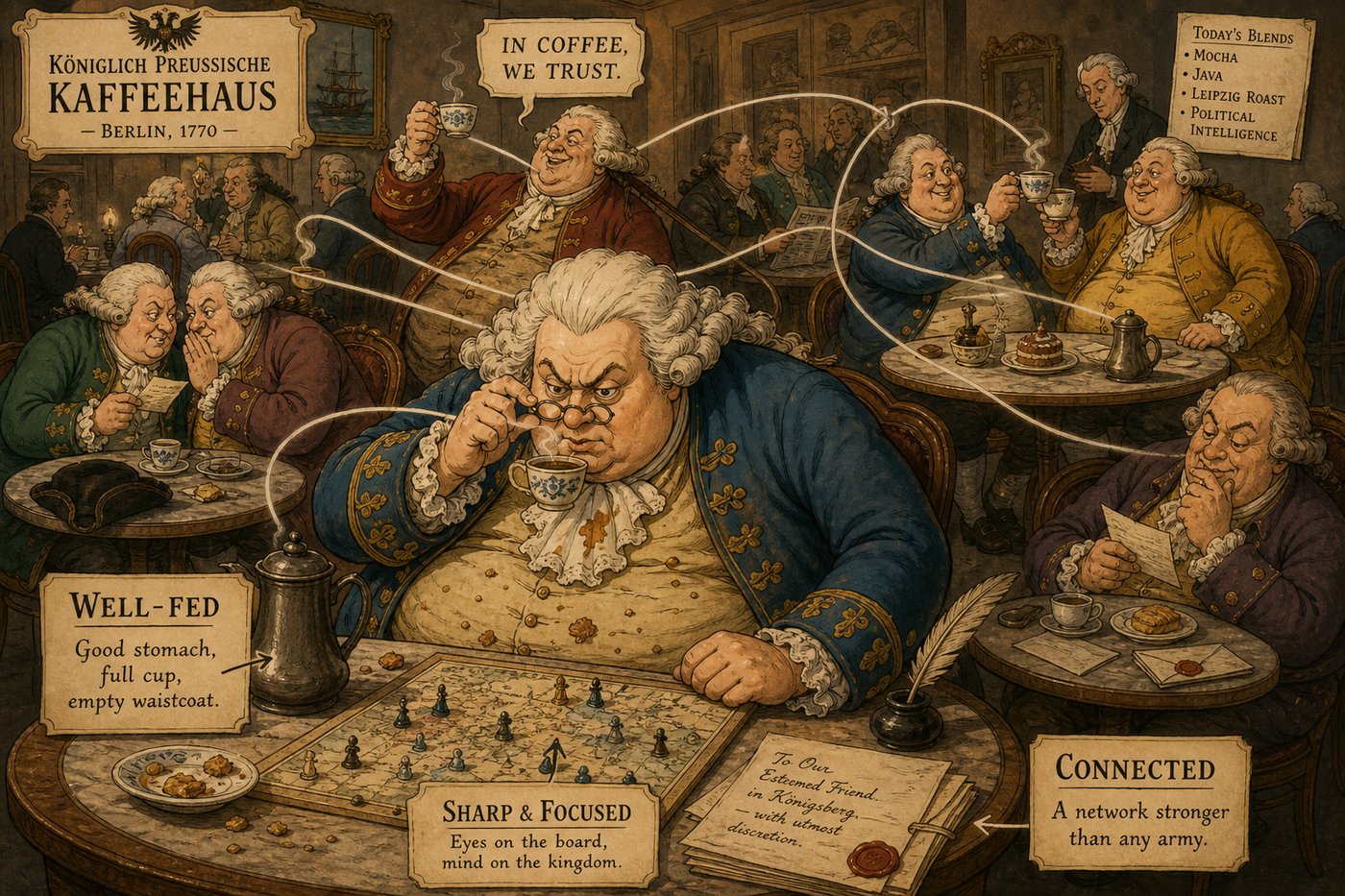
The result was a nasty class split. Elites sipped legal coffee. Laborers drank morning beer or bitter brews of chicory, acorns, and barley. After Frederick died in 1786, public anger was so high that the state scrapped the monopoly and dismissed the sniffers.
Sweden’s Royal Twin Experiment: When a King Tried to Prove Coffee Was Poison
While Prussia used money laws, Sweden tried royal “science.”
Through the 1700s, Swedish rulers treated coffee as a threat. They passed five nationwide bans between 1756 and 1822. During the 1760s crackdowns, bailiffs stormed homes and smashed pots, cups, and saucers.
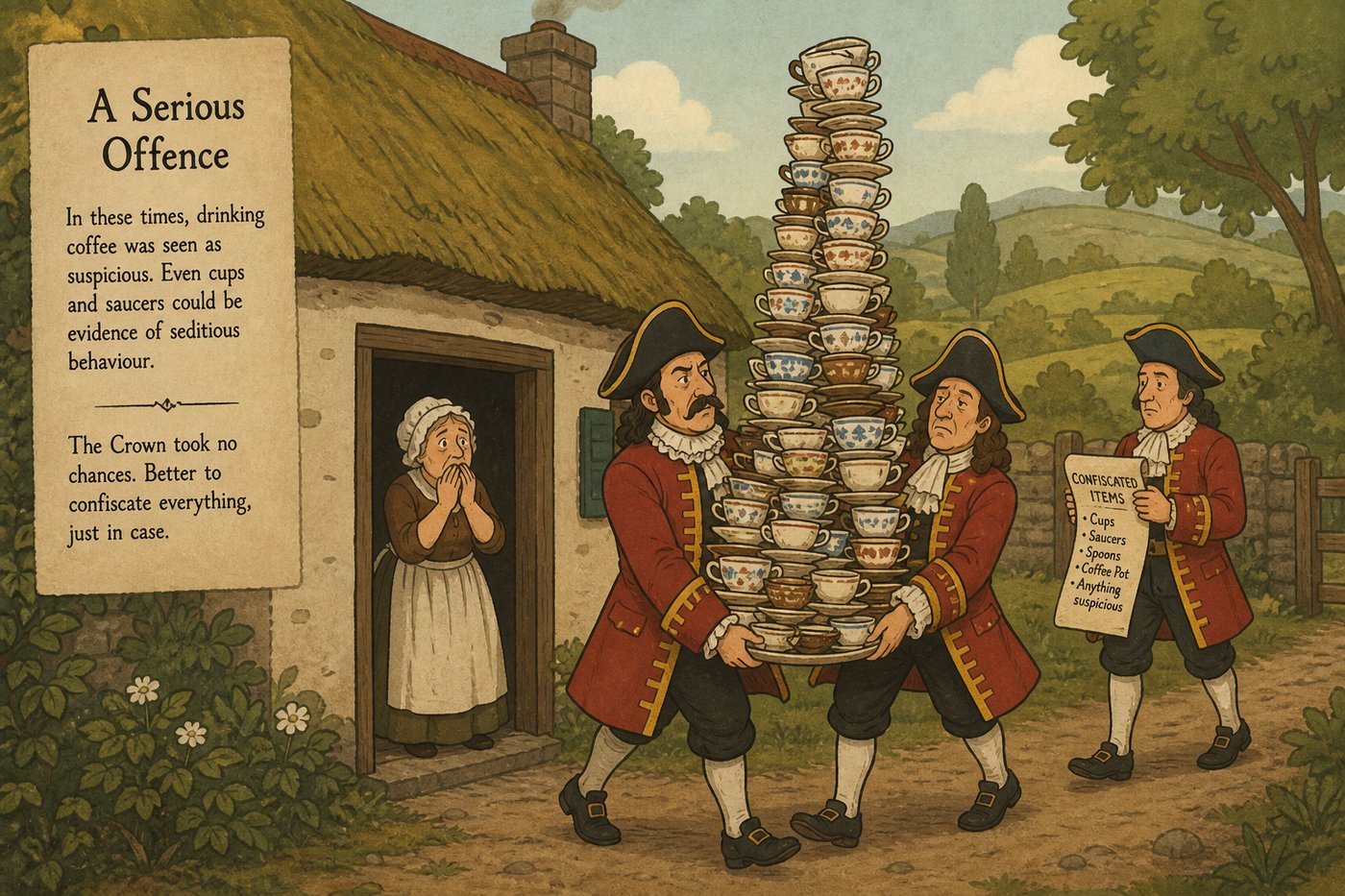
Coffee lovers still found a way. When officials took the cups, people poured coffee into saucers. Then they sipped it through sugar cubes. That habit lasted more than a century.
King Gustav III wanted proof that coffee was poison. So he ordered one of the earliest controlled trials. The British Medical Journal (BMJ) later described it.
The Identical Twin Death Row Clinical Trial
Gustav found identical twin brothers convicted of murder. Both faced death. He offered life in prison if they became lifelong test subjects under doctors’ watch.
One twin had to drink three large pots of strong coffee every day for the rest of his life.
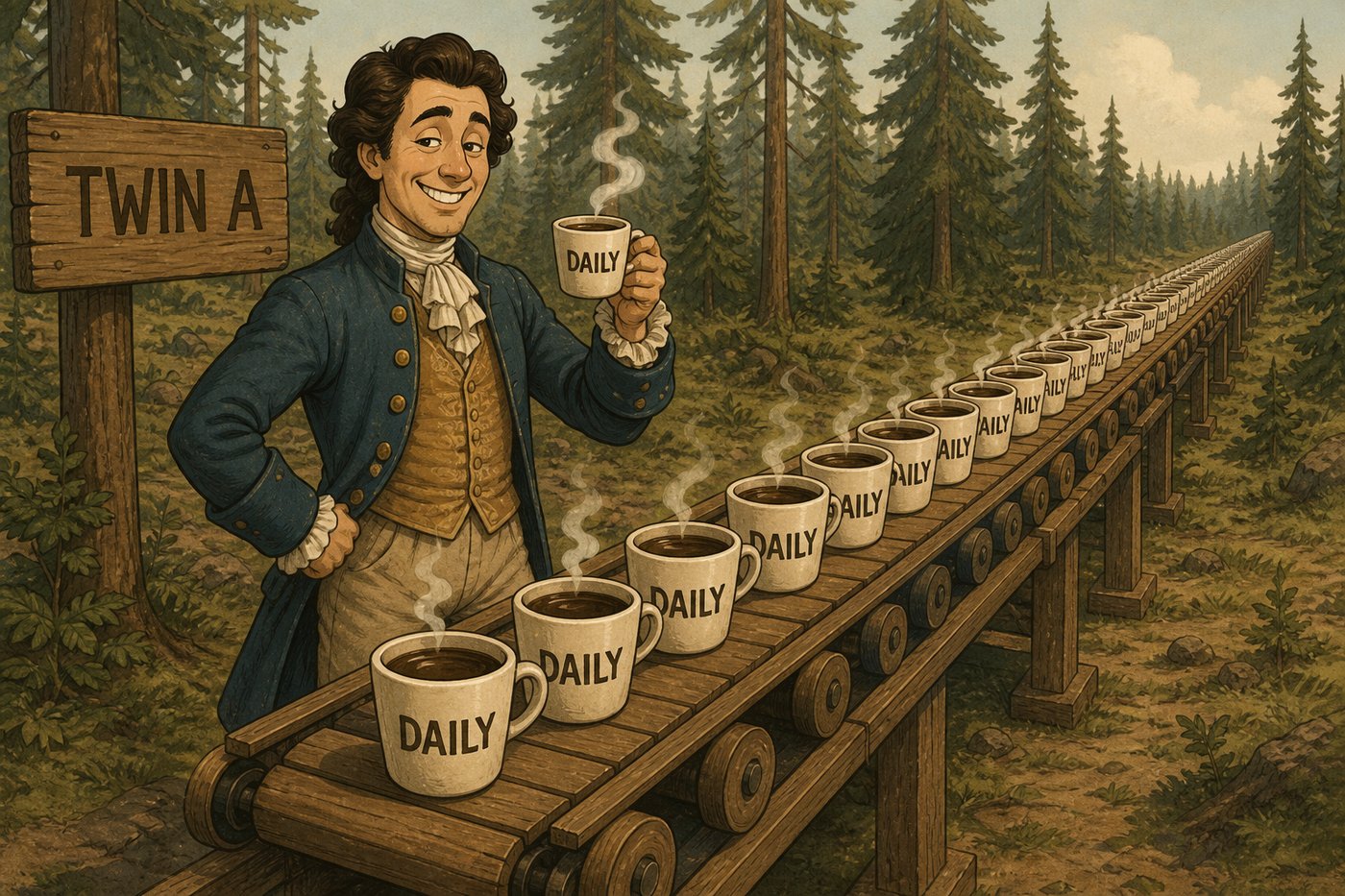
The other twin had to drink the same amount of tea. Two royal physicians tracked their health. The king expected the coffee drinker to die first.
The trial did not follow Gustav’s script.
First both doctors died of old age, while both prisoners stayed healthy. Then, in 1792, assassins killed Gustav at a Stockholm masquerade. He never saw the result.
Decades later, the tea drinker died at 83. The coffee drinker outlived him and reached his late eighties in good shape.
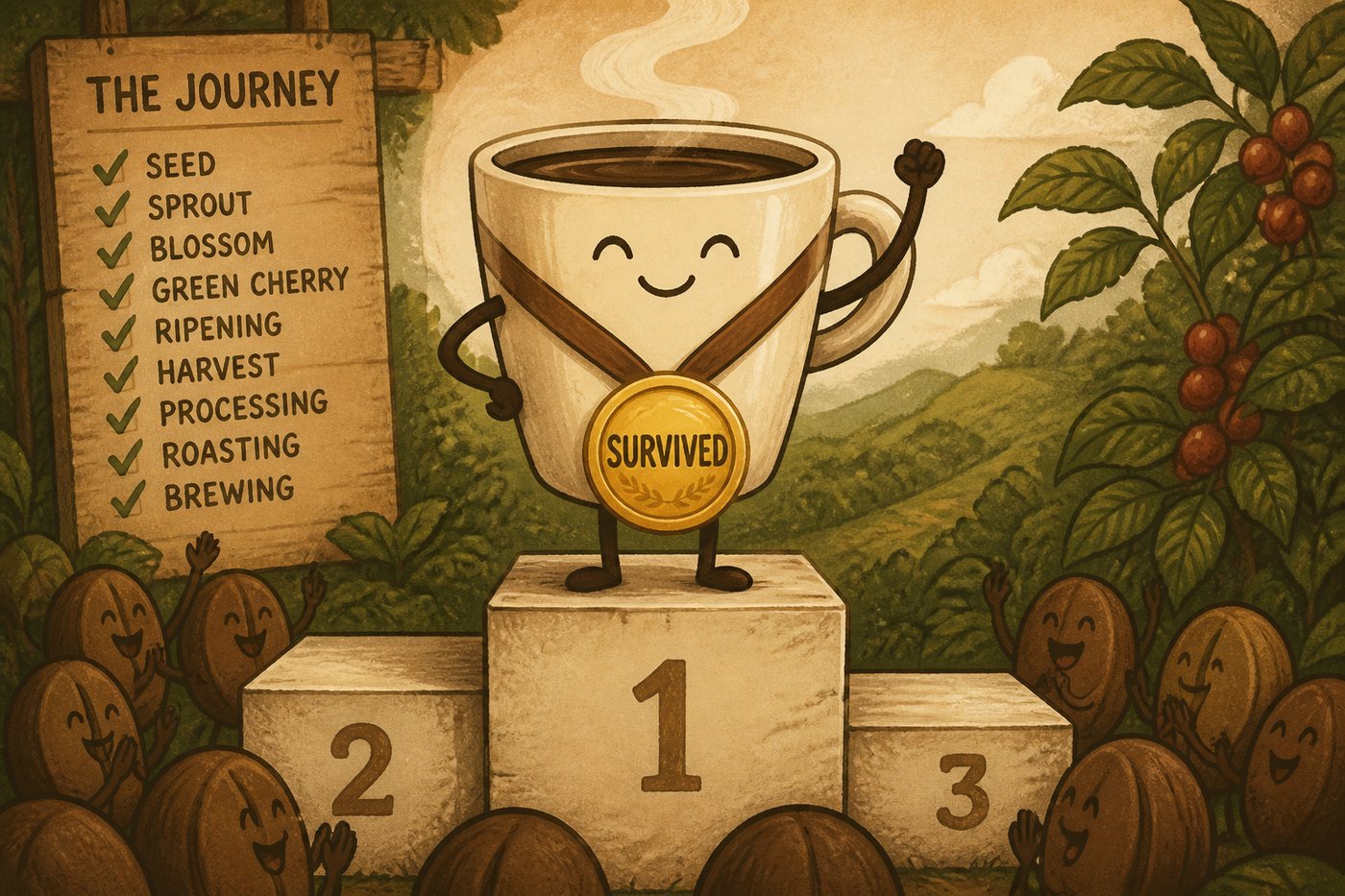
Coffee beat the king’s paranoia. Today Sweden still loves daily fika, the social coffee break celebrated by Sweden’s official cultural registry.
England’s 1675 Coffeehouse Ban: The King Who Folded in 11 Days
In 17th-century London, coffeehouses earned the name “Penny Universities.” For one penny, anyone could walk in and buy a dish of coffee. Then they could debate science or politics with the sharpest minds in the room.
Isaac Newton, Samuel Pepys, Robert Hooke, and John Dryden spent hours there on gravity, ships, and Parliament.
You can still read those rooms in The Diary of Samuel Pepys.
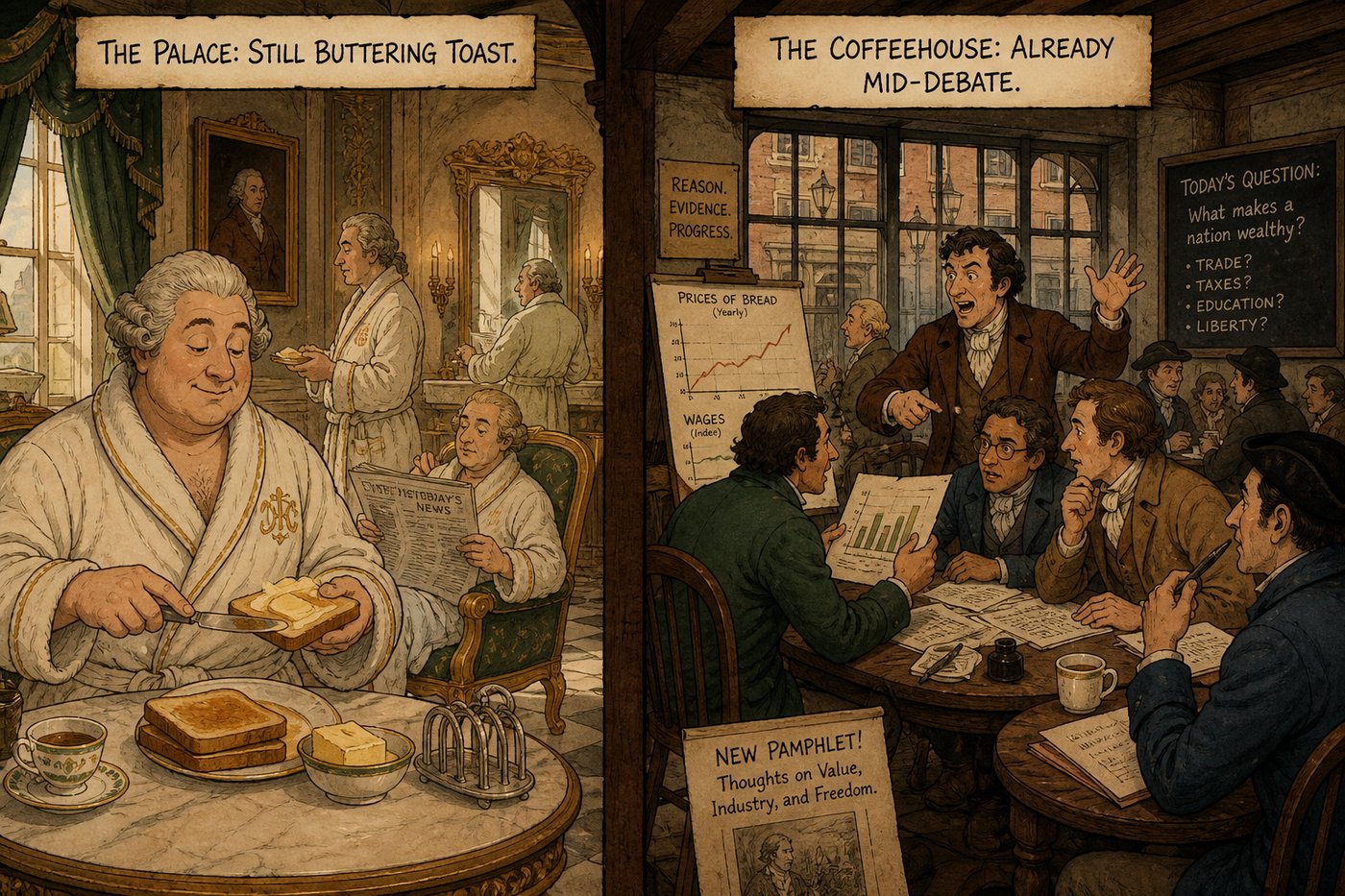
King Charles II watched this boom with growing fear. He had seen his father, Charles I, tried and beheaded in the Civil War. So any room that criticized the crown, outside his control, looked dangerous.
The Royal Suppression Proclamation and the Commercial Revolt
On December 29, 1675, Charles issued A Proclamation for the Suppression of Coffee-Houses. The British Library still holds the text. It said coffeehouses spread “false, malicious, and scandalous reports” against the government. The king then ordered every coffeehouse closed within twelve days.
London’s answer was immediate, furious, and united.
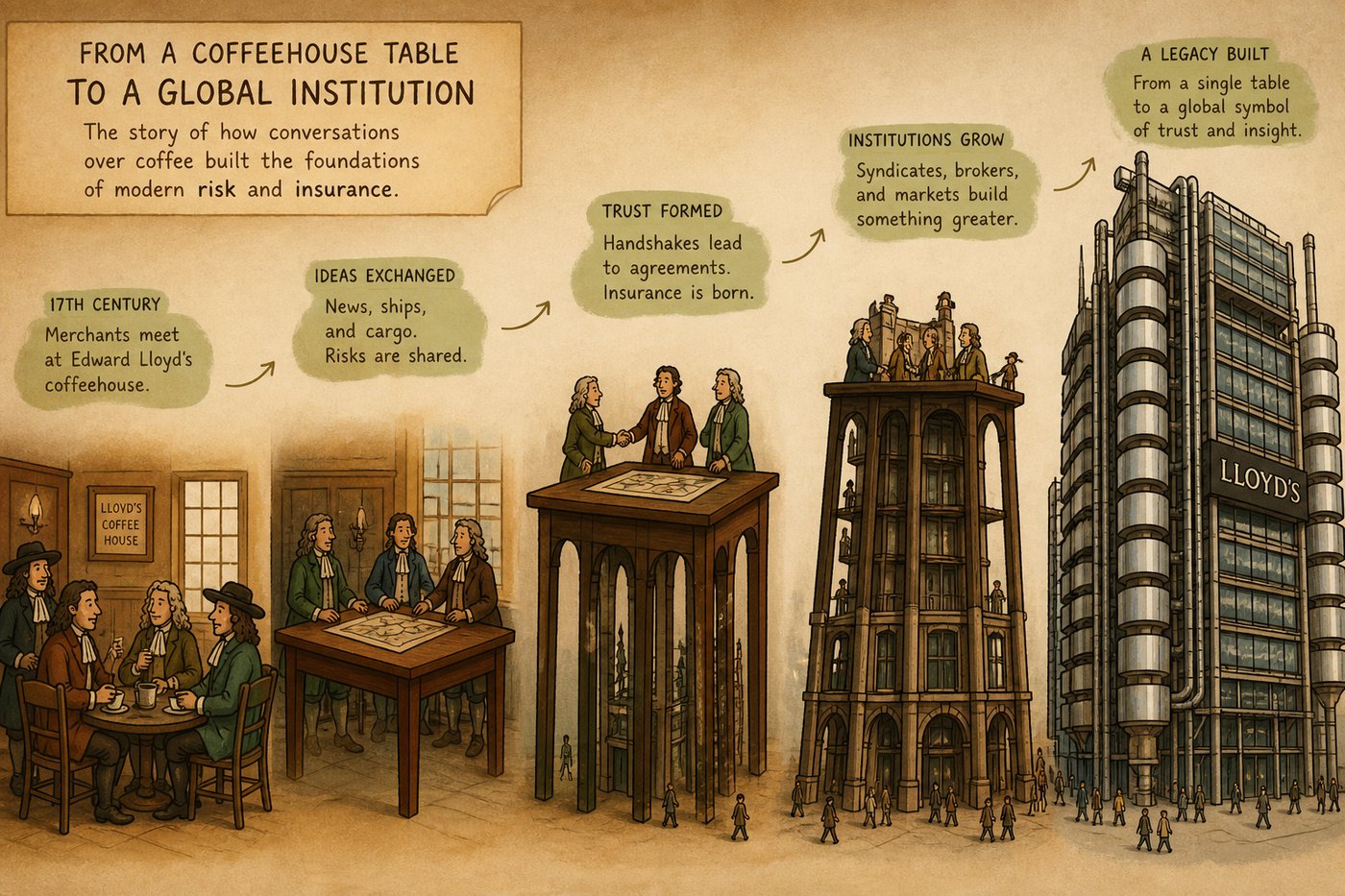
Merchants were up in arms. By 1675, coffeehouses were not just social rooms. They ran British trade. Merchants booked ships there. Underwriters wrote insurance. Lawyers drafted deals. Stock jobbers traded shares.
Faced with a commercial freeze, open defiance, and warnings from his own council, Charles folded. On January 8, 1676, only eleven days later, he quietly revoked the order. The houses stayed open.
Those rooms later built pieces of modern finance.
Edward Lloyd’s coffeehouse on Tower Street, where captains and merchants swapped shipping news over coffee, grew into Lloyd’s of London. Nearby, Jonathan’s Coffee-House in Exchange Alley became the seed of the London Stock Exchange.
The Pope Who Blessed Coffee: How Clement VIII Saved the West
Before coffee settled into European universities and trading halls, it had to clear a religious fight in Rome.
Around 1600, Venetian merchants brought Ottoman beans into Italy. Conservative clerics asked Pope Clement VIII to ban the drink across Christendom.
They called coffee the “bitter invention of Satan” and the sacred drink of Islam. They warned it would stain Christian souls.
Instead of trusting that rumor, Clement asked for a hot cup in his chambers. He wanted to taste it himself.
Mark Pendergrast records the Vatican lore in Uncommon Grounds.
The Pope sipped. Then he paused and said the drink was so delicious that Christians should baptize it.
Once he blessed it, coffee moved into monasteries, universities, and trading cities. A drowsy, beer-soaked culture woke up. Then it helped power the Scientific Revolution.
Comparison of Major Historical Coffee Bans
Every major coffee ban followed the same arc: panic, resistance, then collapse. Here is how the five most famous ones compare:
| Era & Location | Ruler / Authority | Official Reason | The Real Fear | Final Outcome |
|---|---|---|---|---|
| 1511 Mecca | Governor Khair Beg | Claimed coffee was intoxicating like wine | Satirical street poetry and political dissent | Overturned within months by the Sultan of Cairo; governor executed for corruption |
| 1633 Ottoman Empire | Sultan Murad IV | Blamed coffeehouses for city fires and disorder | Janissary military mutinies and political coups | Failed completely; successor Ibrahim I ended executions and taxed coffee imports |
| 1675 England | King Charles II | Spreading false and scandalous political rumors | Anti-monarchy debates inside “Penny Universities” | Revoked after 11 days; coffeehouses became the stock and insurance exchanges |
| 1777 Prussia | King Frederick the Great | Trade deficits and protecting domestic beer | Drain of silver currency; elite wanted monopoly access | Smuggling skyrocketed; coffee sniffers abolished immediately after king’s death |
| 1756-1822 Sweden | King Gustav III & Parliament | Claimed coffee was a dangerous bodily poison | Foreign import drain and luxury consumption | Royal twin trial failed; Sweden became one of the world’s top coffee consumers |
Frequently Asked Questions About Coffee Bans
Was coffee ever illegal in the United States?
No U.S. law ever banned coffee. After the Boston Tea Party of 1773, the cup became a patriotic act. Colonists dumped British tea into the harbor to protest taxes. After that, drinking coffee signaled independence from the British crown.
Why did English women petition against coffee in 1674?
In 1674, an anonymous tract called The Women’s Petition Against Coffee spread through London. It joked that coffee turned husbands into frail gossips who sat in coffeehouses all day. Coffeehouse men answered with The Men’s Answer to the Women’s Petition. They defended coffee as a sober drink that kept people working.
Why did all coffee bans eventually fail?
Coffee bans failed because the drink does two jobs at once. Caffeine sharpens alertness and mood without wrecking judgment. At the same time, the coffeehouse gives people a third place to meet, trade, and talk. Once a society tastes that mix, no royal order can shove it back into the dark.
The Cup That Refuses to Lose
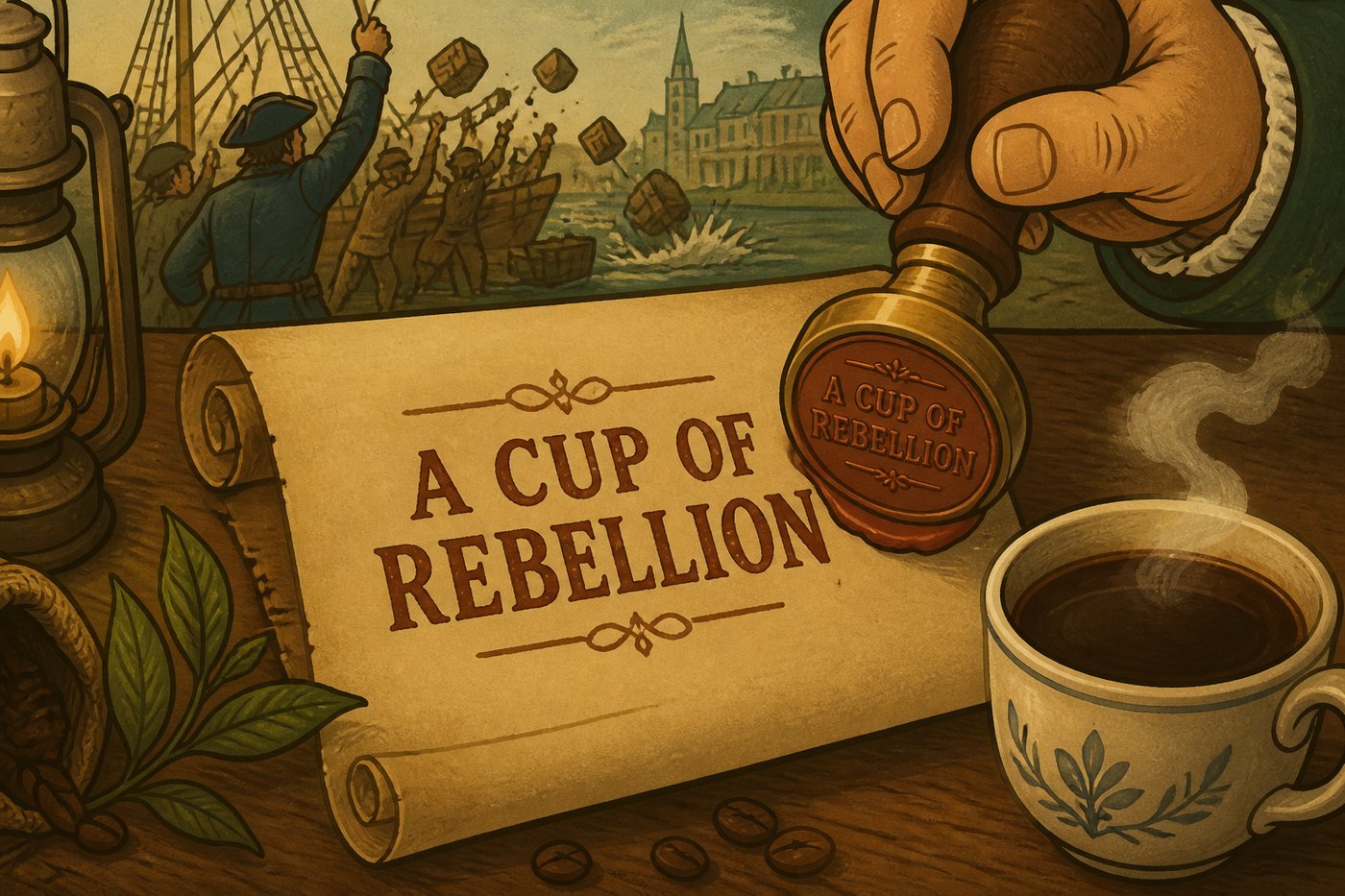
When you hold your mug tomorrow morning, pause for a second. Think about what you are actually drinking.
You are joining a four-hundred-year habit of quiet rebellion.
- Religious bans could not stop it in Mecca
- Terror could not drown it in the Bosphorus
- Sniffers could not smell it out of Prussia
- Sweden’s rigged trial backfired
- England’s proclamation lasted less than two weeks
Every ruler attacked the same invisible threat: clear heads, open talk, and strangers comparing notes over a shared brew.
If you like the science and craft behind the cup, read our guide to understanding coffee roast levels. You can also compare morning rituals in matcha versus coffee and what mushroom coffee actually does.
Next time you take that first sip, remember this. Rulers once treated that jolt of alertness as a threat to the state. Enjoy every drop.
Sorry, the comment form is closed at this time.