Coffee Is a Drug. Why Does It Have No Rules?
Is caffeine a drug? Yes. Pharmacologists already have a short checklist for a substance that changes the brain, and caffeine clears it. Your morning cup is a psychoactive compound with a tolerance curve, a withdrawal list, and a prescription twin that hospitals give to premature babies. The metaphor ran out of road a long time ago.
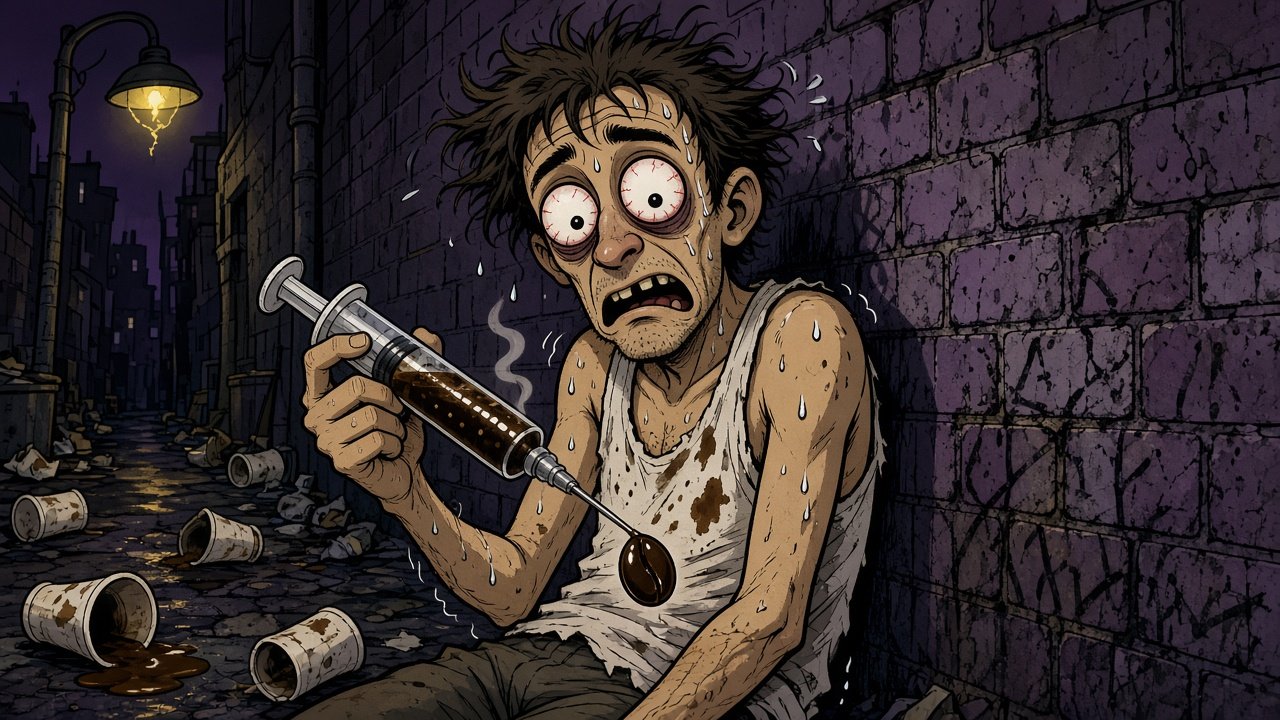
The alley version of that sentence is a joke: coffee as a syringe, empty cups treated like evidence. Ordinary life is quieter, and a little more annoying. Skip the cup you count on, and a lot of people meet a headache by midafternoon. You already know the suspect. What is easier to miss is how little the cup has to confess.
Exhibit A, in real life, is the headache. We sell the compound at drive-throughs on every continent that has a road. Birthday parties serve it in soda. High school cafeterias sell it. From 1984 until the first day of 2004, Olympic rules could disqualify an athlete for too much of it. Why does a drug this obvious still move through the day with so few rules attached?

There is a paper trail, and it is stranger than a conspiracy. It starts with a 1911 seizure of Coca-Cola, runs through a Supreme Court opinion about recipes and risk, and lands in a food-safety system that mostly grandfathered caffeine because people were already drinking it.
Ahead: the three clinical tests, the DSM-5 diagnoses, the neonatal prescription, the barrel lawsuit, a Tuesday of soda and chocolate, the coffee-break ad, and the Olympic line a lab could not draw. Court opinions, FDA rules, and the numbers sit in the sentences where they belong.
Watch: Coffee Is a Drug
Prefer the cartoon version? The video walks the same trail in about 13 minutes: the three tests, the barrels, the kids, the coffee-break ad, and the Olympic list. This page is where the sources and the extra history live.

Is Caffeine a Drug? Three Tests It Clears
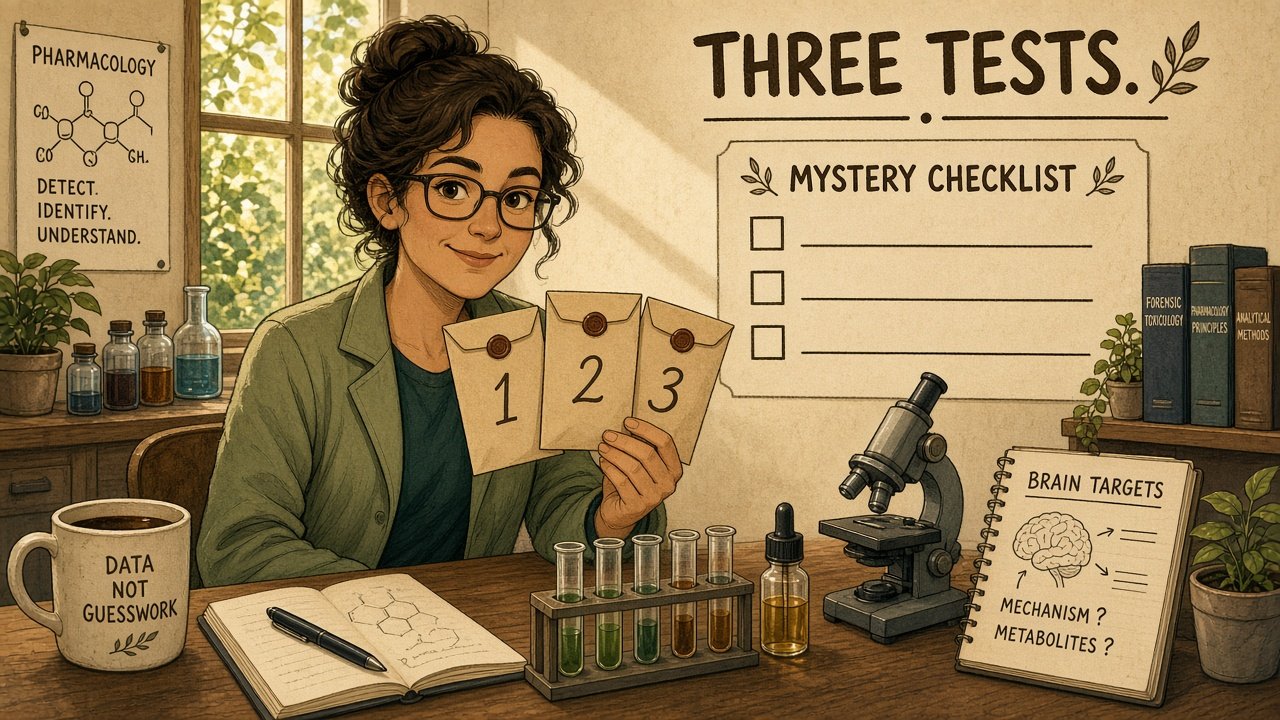
Ask a pharmacologist how to spot a drug that changes your brain and you tend to get the same three questions. First, does it cross into the brain and alter the chemistry? Regular use is the second question, because tolerance means the same dose stops working. Stopping is the third: a physical withdrawal has to show up. Caffeine passes all three. That is the bar. The mug clears it before you have finished arguing about whether coffee “counts.”
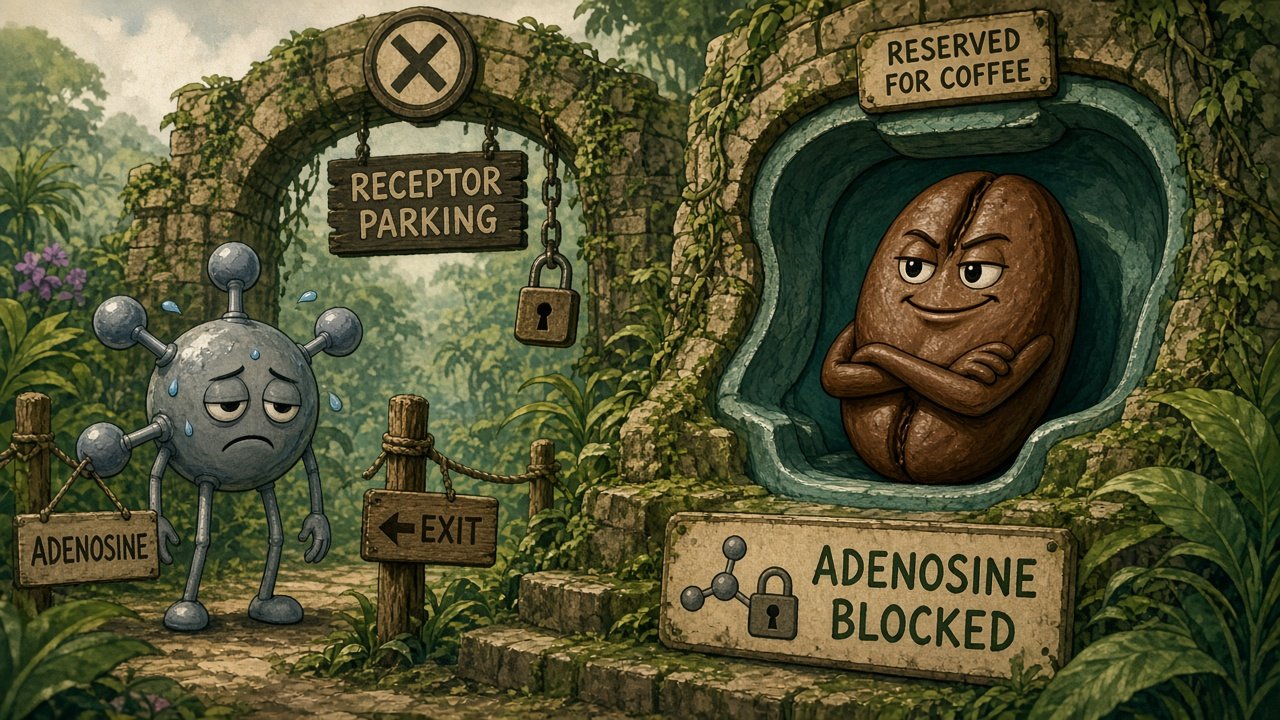
Test one is the blood-brain barrier, the checkpoint that keeps a lot of bloodstream chemicals out of neural tissue. Caffeine walks through. Once inside, it sits on adenosine receptors and blocks the molecule that signals tiredness. Your neurons do not receive a fresh tank of fuel. They stop hearing the brake. A StatPearls pharmacology review describes caffeine as an adenosine receptor antagonist that reaches the brain and blocks that tiredness signal. About half an hour after the first cup, the chemistry is measurably different from the chemistry you woke up with. We unpack the borrowed-alertness side of this, including the afternoon crash, in does caffeine give you energy.

Picture the receptor as a parking spot reserved for the tiredness molecule. Caffeine takes the spot and does not do the tiredness job. Adenosine, the real signal, is left outside with nowhere to dock. Sleep scientists sometimes call this blocking the brake rather than pressing the gas. The lift feels like energy because silence feels like energy when the noise was fatigue.
Tolerance, Withdrawal, and the Morning Gap
Test two is tolerance. Drink caffeine daily and the same dose does less over time. The brain compensates by adding adenosine receptors. More locks means you need more keys. The first cup of a new habit and the first cup of year ten can look identical in the mug and still be different experiments. Chasing the original jolt with a second and third cup mostly deepens the adaptation.
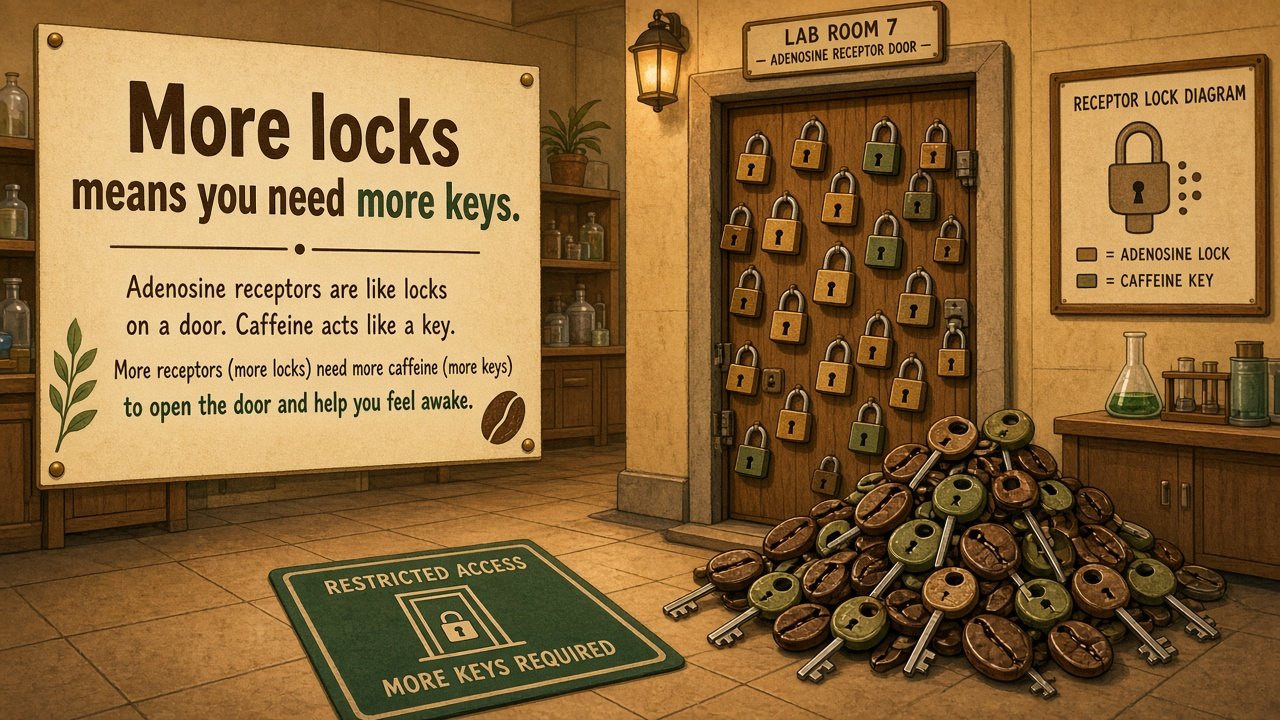
Test three is physical dependence. Stop after regular use and withdrawal shows up as headache, fatigue, trouble concentrating, a short temper, and sometimes nausea. These are body events. A StatPearls review of caffeine withdrawal puts the usual onset at 12 to 24 hours after the last dose, a peak over the next day or two, and a fade within about a week for most people. Sleep through the night and you are already partway into that window. The morning cup can feel like personality restoration because it is closing a gap your brain has learned to expect.
That bargain is allowed to be both real and mild. A rough Tuesday without coffee is not a hospital detox. It is still a withdrawal, which is one of the reasons the checklist calls caffeine a drug even when the headache is the whole plot.
Four Official Diagnoses, and One the Manual Parked
The American Psychiatric Association treats this as clinical territory. The DSM-5, the diagnostic manual used in the United States, lists caffeine intoxication, caffeine withdrawal, caffeine-induced anxiety disorder, and caffeine-induced sleep disorder. A review in the Journal of the American Academy of Psychiatry and the Law counts those four inside the substance chapter, along with an unspecified caffeine-related disorder. Intoxication, in that manual, usually means a high dose well above 250 milligrams plus a cluster of signs such as restlessness, a racing heart, flushed skin, or rambling thought. One latte is not the diagnosis. A fast, heavy stack can be.
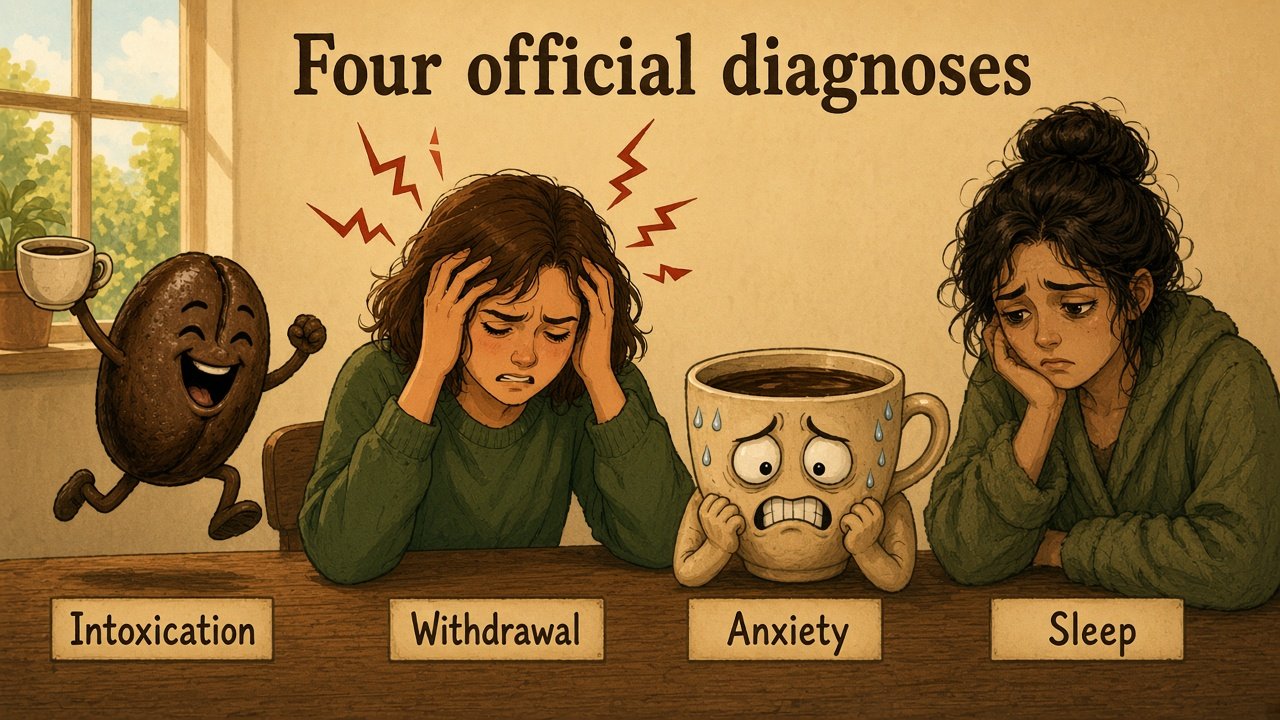
Here is the nuance slogans skip. Caffeine use disorder, the fuller pattern of failed control and use despite harm, did not become an official diagnosis. Johns Hopkins notes that the DSM-5 parked it in a section for conditions that need more study, with a deliberately high bar, because caffeine use is so common that a loose definition would pathologize ordinary drinkers. The same guide notes that the international manual has been more willing to name a caffeine dependence syndrome. Withdrawal and intoxication cleared the bar. A formal addiction label for the average coffee habit was held back on purpose.
A Pesticide the Plant Invented
One detail never makes the cafe chalkboard. Caffeine is part of how coffee plants, tea plants, and cacao discourage insects. In 1984, James Nathanson reported in Science that caffeine and related compounds could kill insect larvae, and that lower doses left them jittery and off their food. A readable contemporary account of that lab work is still on the UPI wire. We tasted the plant’s defense chemical, liked the alertness, and kept the kettle.

Researchers still call caffeine the most widely consumed psychoactive substance on earth. The Centre for Addiction and Mental Health describes regular use in more than 80 percent of adults in North America. UC Davis nutrition faculty put daily use above 90 percent of adults in the United States. A molecule with that kind of market share stops reading as pharmacology. It starts reading as Tuesday, which is how a drug becomes invisible without anyone hiding it.
The Prescription With a Real Dose
This is the comparison that should make a lunchbox soda look stranger. The same molecule is a prescription drug. Caffeine citrate is approved for apnea of prematurity, the breathing pauses that hit very premature babies. In a neonatal intensive care unit the dose is tied to weight, timed, and written down. A soda can hands a cousin of that compound to an eight-year-old with a cartoon on the aluminum.
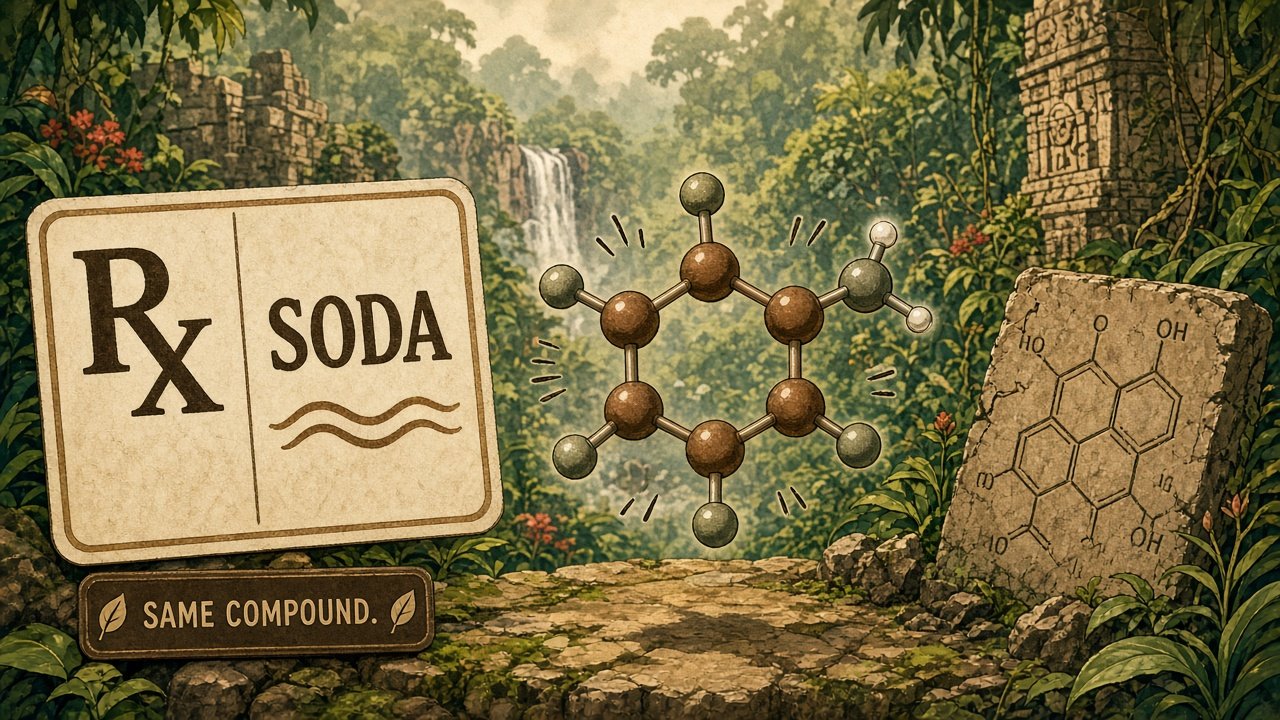
The hospital story is stronger than a label coincidence. The Caffeine for Apnea of Prematurity trial, published in the New England Journal of Medicine in 2006, followed more than 2,000 very low birth weight infants. Caffeine shortened the time they needed breathing support and improved the odds of survival without neurodevelopmental disability at 18 to 21 months. Later follow-up kept finding motor benefits into childhood. In a monitored patient, at a known dose, the drug did medical work. The trial record shows how specific that regimen was: a loading dose, then a daily maintenance dose adjusted to weight.
Caffeine also crosses the placenta, which is why pregnancy is a separate conversation from a neonatal order. The American College of Obstetricians and Gynecologists points pregnant patients toward staying under 200 milligrams a day. The FDA says to ask your own clinician if you are pregnant, trying to become pregnant, or breastfeeding. Nothing on this page is medical advice. A compound can be useful in a nursery, familiar in a mug, and still worth a number.
Caffeine vs Alcohol Is a Rules Story
Line caffeine up next to alcohol and the social contrast gets loud. Each one is psychoactive, each one builds tolerance, and each one has a documented withdrawal. Society wrote them different rulebooks, then acted surprised that one of the books is almost blank.
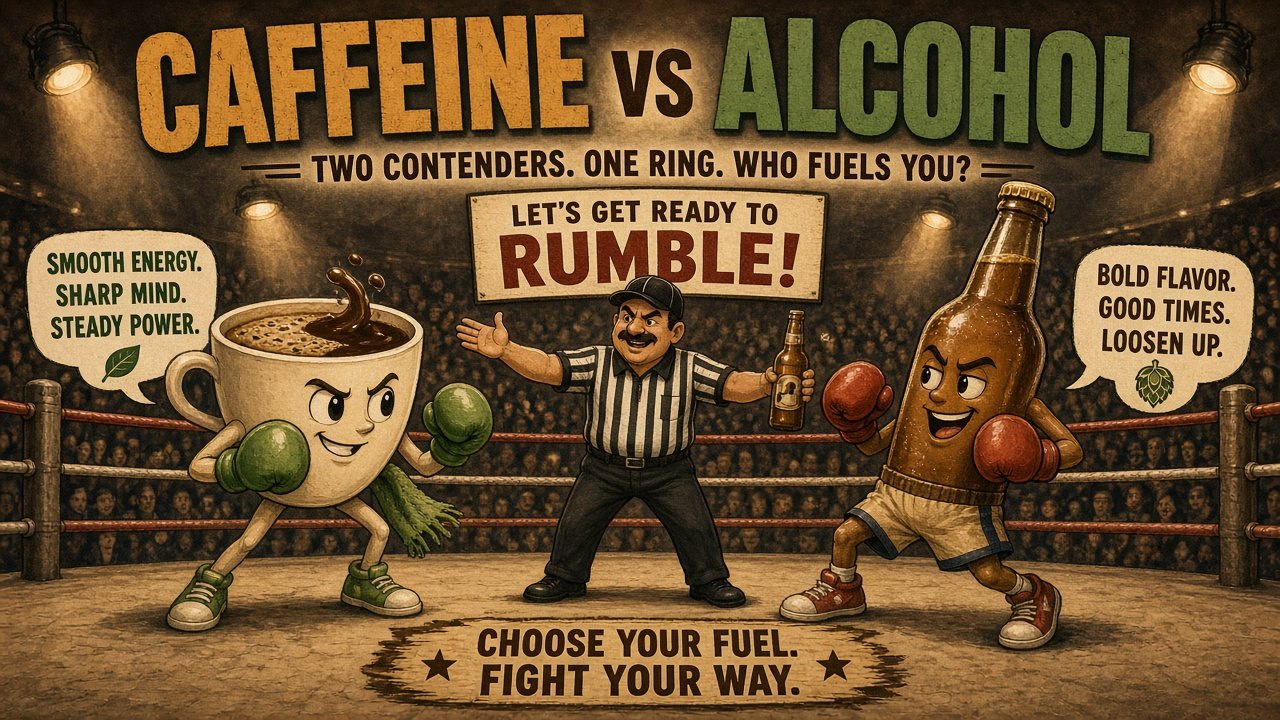
Here is the split in one glance. The alcohol column is the familiar American rule set. The caffeine column is what a shopper actually meets.
| Rule | Alcohol in the U.S. | Caffeine in the U.S. |
|---|---|---|
| Purchase age | 21 for the drink | No federal age for coffee, soda, or energy drinks |
| Package warning | Required on the bottle | Not required on a cup of coffee |
| Kids and ads | Advertising limits around children | Common on soda, snacks, and energy drinks |
| Driving | Illegal once you are impaired | No caffeine version of that offense |
| Dose on the label | Alcohol by volume is printed | Coffee often skips milligrams; many sodas print them |
| A bad pairing | Premixed alcohol plus caffeine was declared unsafe in 2010 | Either substance alone stayed legal |
Offices hand coffee out as a morning perk. Ads still frame the cup as a personality and, often, as a health habit. Some of the health research is genuinely interesting. A research headline is still not a milligram line on the cup.
Milder Is a Fair Objection
You might already be objecting, and the objection has weight. Caffeine is the milder drug. Nobody gets arrested for driving on coffee. A typical withdrawal ends on a couch. For most healthy adults, the FDA cites about 400 milligrams a day, roughly two to three 12-ounce cups of coffee, as an amount not generally tied to negative effects. Sensitivity still swings with genetics, medications, pregnancy, and how fast your liver clears it. “Most adults” is a population sentence, not a promise about your heart.
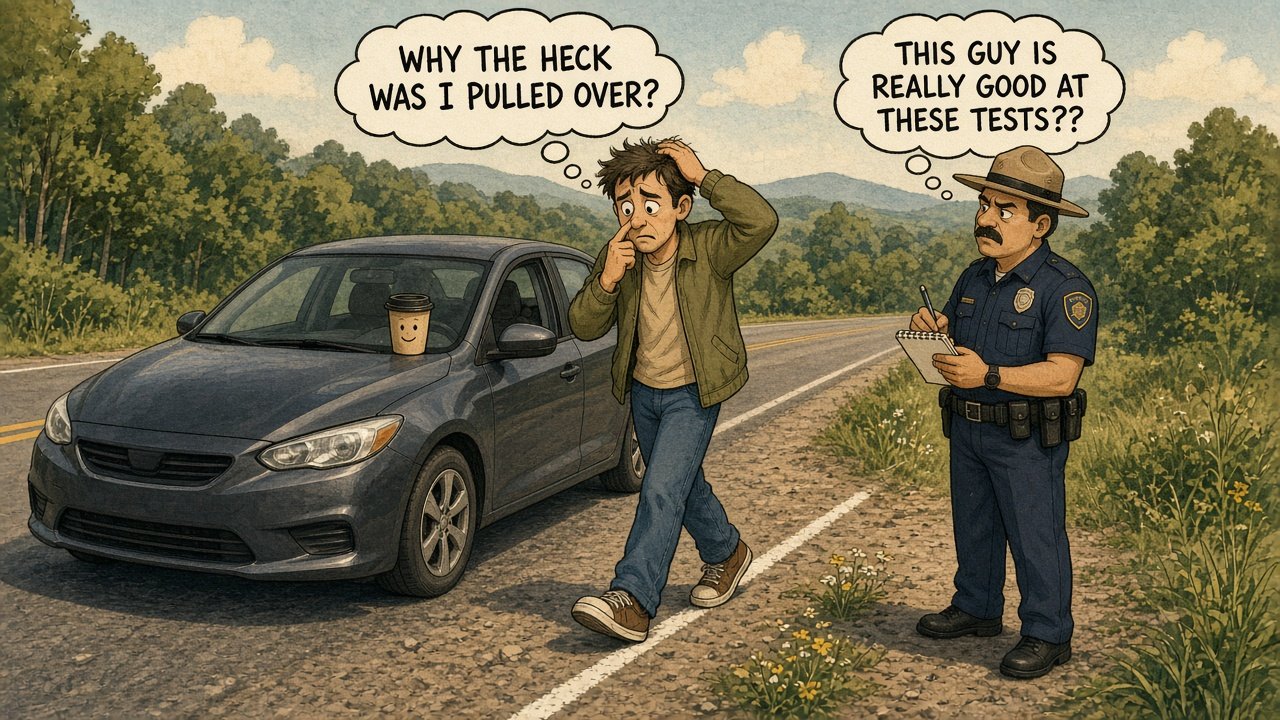
Milder describes the usual harm. The regulatory question is a second sentence. A dependence-forming stimulant with a real withdrawal, and no required milligram line on a cup of coffee, remains a drug when the headache stays small. Alcohol’s crash risk is why that rulebook got thick. Caffeine’s milder profile is why this one stayed thin. Both sentences can be true before lunch.
The Lawsuit Named After Forty Barrels
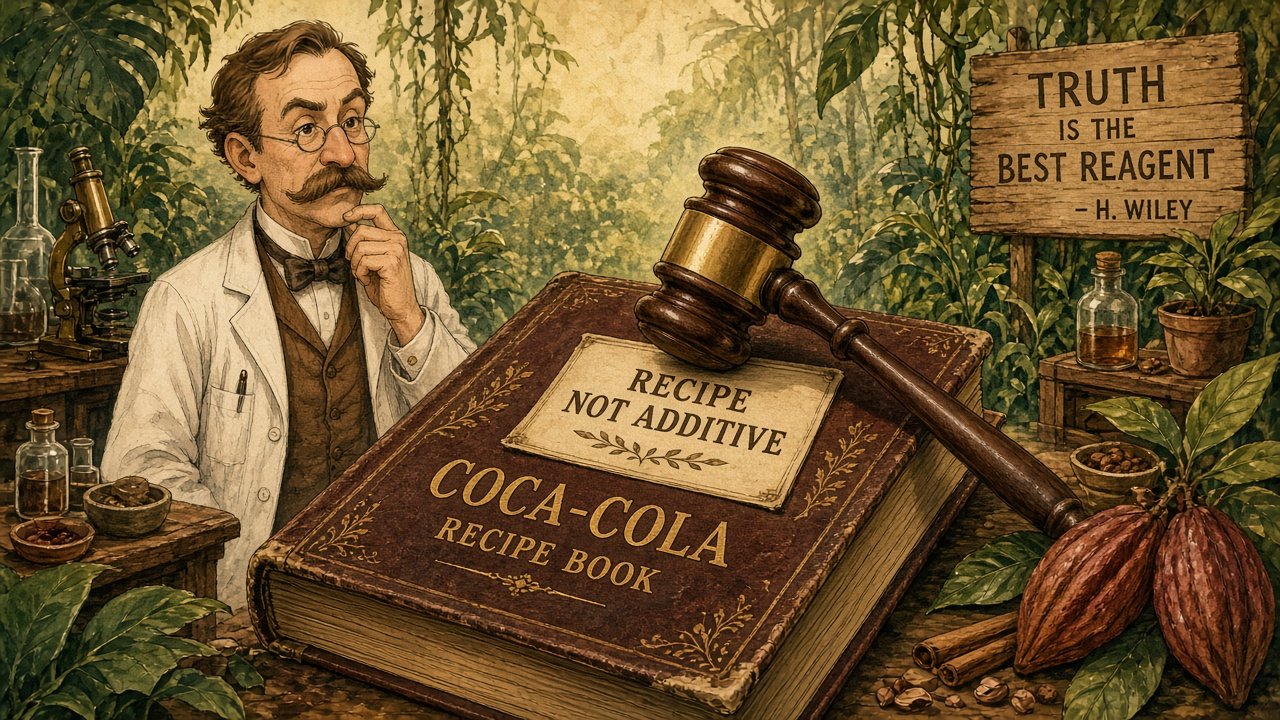
In 1911 the federal government sued Coca-Cola over the caffeine in the cola. The case name still causes a double take: United States v. Forty Barrels and Twenty Kegs of Coca-Cola. Officials seized a shipment of syrup. They did not seize caffeine as a category of substance. Harvey Washington Wiley, the chemist who had spent years arguing that caffeine should be controlled, was the engine of the fight.
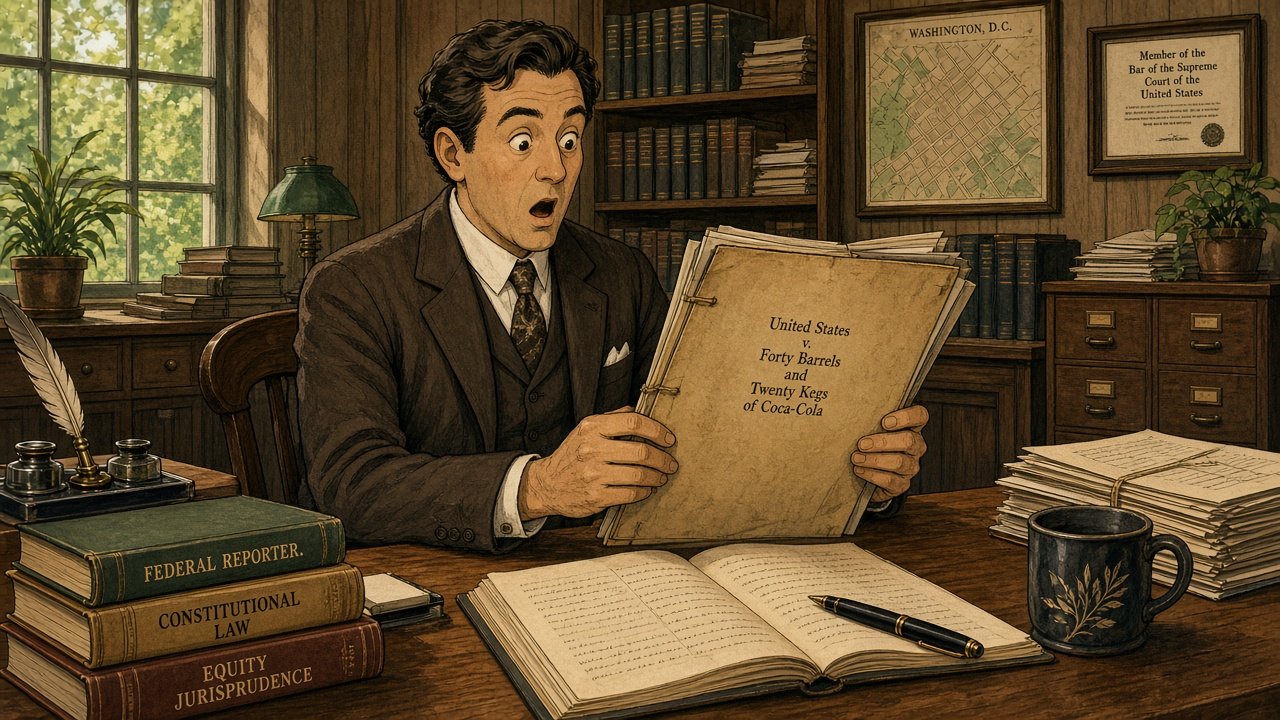
Wiley’s immediate problem was the recipe defense. Coca-Cola’s lawyers said caffeine was not an extra poured in at the end. It was part of the drink as sold. A trial judge agreed and dismissed the case before a jury could weigh harm. The American Psychological Association’s retelling is clear on what those early rounds decided: not whether caffeine was injurious, but whether the 1906 food law was even allowed to ask.
What the Supreme Court Actually Held
The government kept going. In 1916 the Supreme Court reversed, in United States v. Coca Cola Company of Atlanta. Justice Charles Evans Hughes wrote for a unanimous Court. A risky ingredient can still count as “added” under the food law when it sits inside the original formula. If the recipe itself were the only standard, the statute would collapse: a company could build a hazard in on day one and then claim the hazard was simply the product. Whether caffeine harmed health, the Court said, belonged to a jury, because the expert testimony conflicted.
That jury never sat. Coca-Cola settled. Time’s history of the case and the APA account agree on the terms that mattered. The company cut the caffeine roughly in half, paid the government’s costs, and kept caffeine in the bottle. Years of litigation, and the molecule stayed in the syrup. Wiley had left the bureau in 1912. The will to retry the harm question left with the settlement.
Grandfathered, With a Cola-Sized Asterisk
In 1958 Congress built the modern food-additive system. New additives needed a safety showing. Ingredients already in common use could be “generally recognized as safe,” the GRAS category, for a specific job. Caffeine was already in the food supply, so it landed on the early list for one narrow use: cola-type beverages, at no more than 0.02 percent. That cap is still in the Code of Federal Regulations. It works out to about 71 milligrams in a 12-ounce cola. Most colas sit under it on purpose.
A 2014 review in Nutrition Reviews is plain about what that sentence does not cover. GRAS status belongs to a use, not to a chemical in the abstract. The cola rule does not bless caffeine in alcoholic drinks, and it does not set a milligram line for a mug of coffee, a chocolate bar, or an energy drink. Coffee’s caffeine is native to the bean, so a cup is not even riding the additive rule. Around 1980 the FDA opened a serious reconsideration of caffeine’s easy pass and did not finish it. The molecule stayed where culture had already put it.
2010, When Caffeine Did the Job Too Well
The agency did move when caffeine teamed up with alcohol. In November 2010 the FDA warned four companies, including the maker of Four Loko, that added caffeine in their alcoholic malt drinks was an unsafe food additive. The scientific memo under those letters is specific. Caffeine did not lower the alcohol in the blood. It lowered the feeling of being drunk, so people drank past the point where the body would have asked them to stop. Two legal substances. One combination the agency called out.
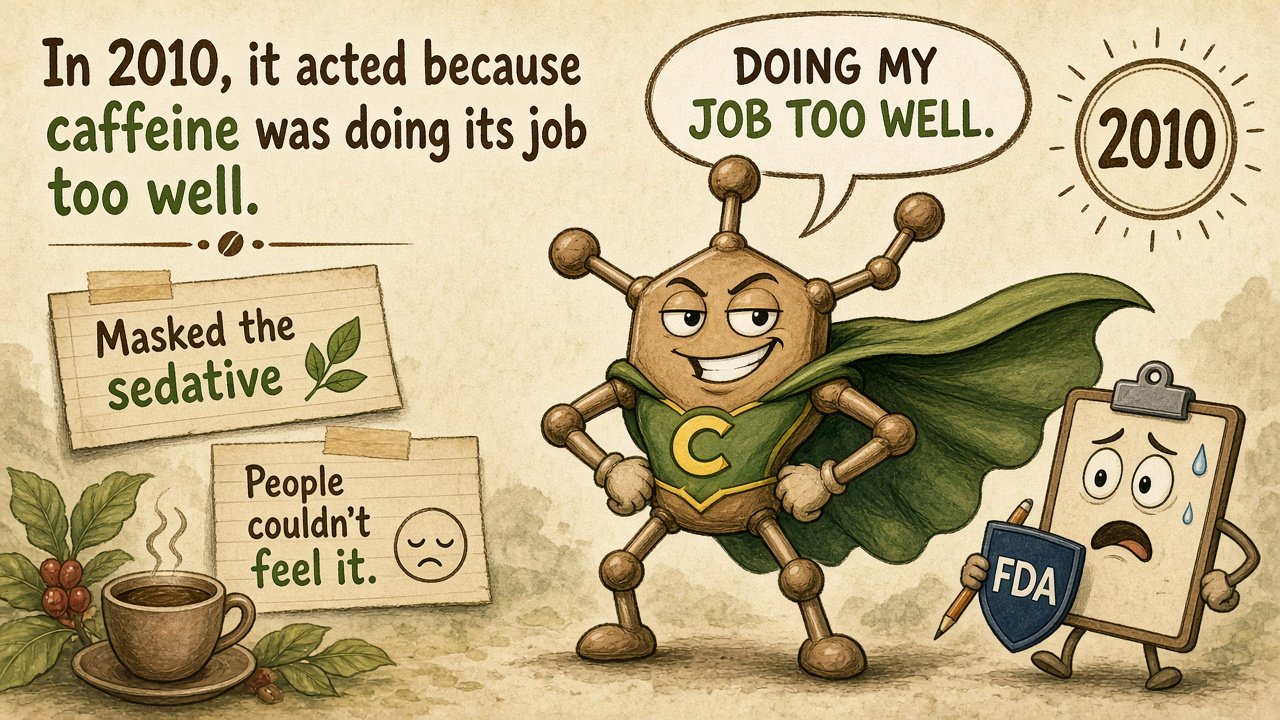
Read the year carefully, because it is the opposite of a caffeine ban. The letters targeted the premixed combination. A caffeinated drink without alcohol was not the product declared unsafe. Cola survived. The lightning-bolt malt beverage did not. Caffeine got in trouble for being good at the one thing caffeine is good at.
Powder Was the Exception
“No rules” overshoots, and this is the cleanest modern proof. In 2018 the FDA told supplement makers that some pure and highly concentrated caffeine products are adulterated. Bulk powders and liquids had been linked to deaths. A measuring mistake with pure caffeine is a different object from a heavy latte: the dangerous amount is small, easy to mis-scoop, and was being sold straight to consumers. The guidance aimed at those concentrates. Coffee shops, soda aisles, and energy drink coolers were left where they were.
So the paper trail is a stack of narrow rulings around a compound that showed up before the modern test existed, then became too ordinary to reopen. Useful history. Thin protection if what you wanted was a dose on every can.
The Caffeine Kids Actually Drink
Pediatric groups have been steady for years. Caffeine is not a nutrient children need. Nemours KidsHealth tells children under 12 to skip it and puts a teen ceiling near 100 milligrams a day, about a small coffee or two colas. The American Academy of Pediatrics has said energy drinks do not belong in the diets of children and adolescents, because the stimulant doses and extra ingredients were not built for them. The checkout line did not reorganize itself around that advice.
A Tuesday Tray, Not a Coffee Shop
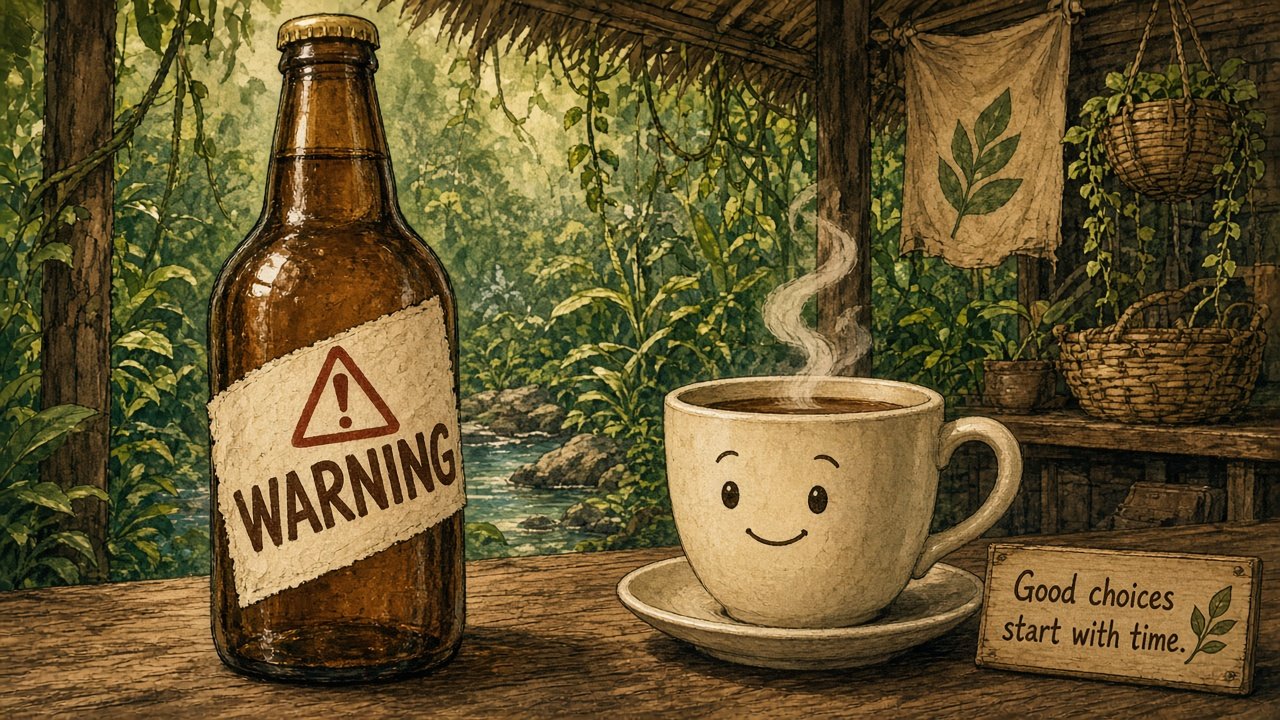
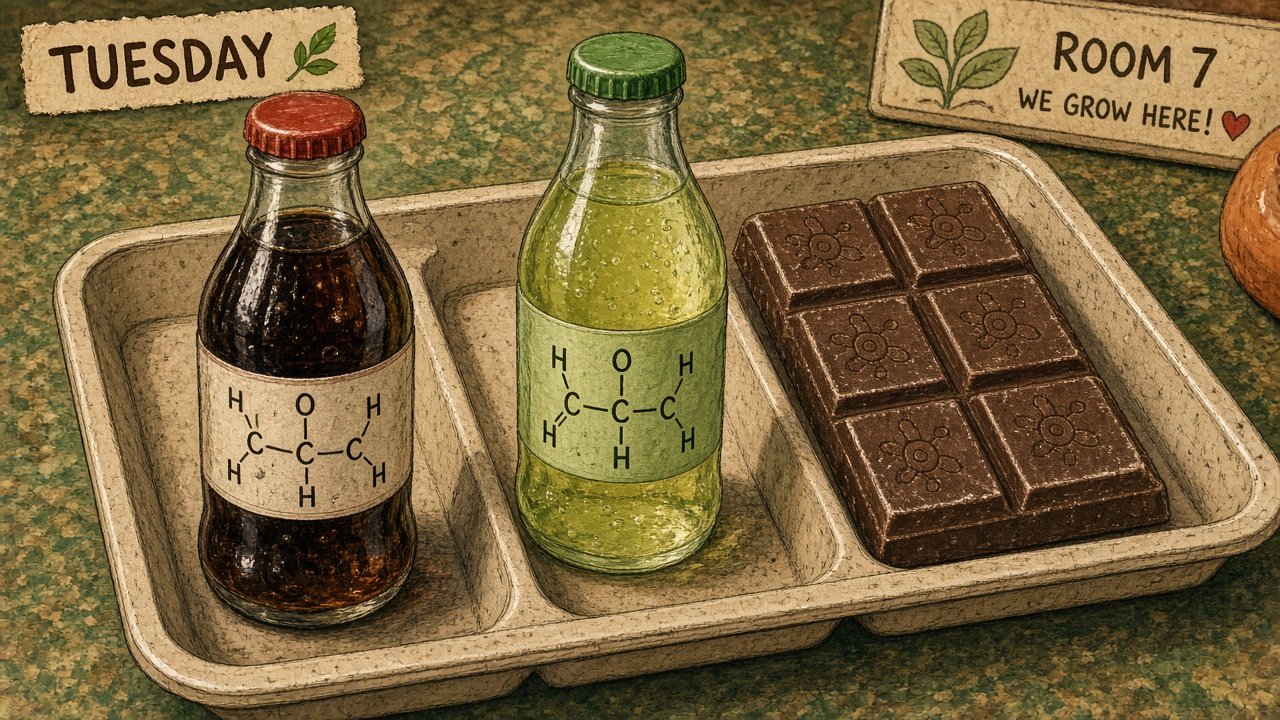
Children, for the most part, are not ordering espresso. They meet the same molecule in costume. A 12-ounce Coca-Cola lists 34 milligrams, and a 12-ounce Mountain Dew lists 54. Published charts, including the caffeine table Pepsi posts, put solid milk chocolate near 5 milligrams an ounce, with a wide range, and dark chocolate nearer 20. None of that asks for a parent’s signature. Beer bottles carry a warning these cans skip. A large fountain soda is also a different serving than the 12-ounce can, which is how a modest chart number becomes a less modest afternoon.
Energy drinks arrived dressed like sports drinks, often at 80 milligrams and sometimes several times a soda. Michigan Medicine’s parent guide puts some cans in a span that starts around 80 milligrams and can run into the hundreds. A few statehouses tried to restrict sales to minors. Most of those bills died quietly. The recurring industry answer was a shrug with a spreadsheet attached: why single out one product when coffee and soda carry caffeine too?
The Only Numeric Drink Rule Still Says Cola
The FDA’s one numeric caffeine standard for drinks is that cola cap. Energy drinks are not cola. Companies have sold them as conventional beverages or as dietary supplements, and a supplement label plays by a different statute than a food-additive petition. The Nutrition Reviews history notes that the agency has often left caffeine around the cola level alone in non-cola drinks, while plenty of energy drinks sit well above a 12-ounce Coke. One chapter of the rulebook is written. The fastest cans in the cooler are in another chapter, or in none.
About 63 Percent of Youth, at a Small Average
About 63 percent of American children and teenagers consume caffeine on a given day. Not across a week. On a given day. The CDC’s figure, from the National Health and Nutrition Examination Survey for August 2021 through August 2023, is 62.6 percent of youth ages 2 to 19. The next line keeps the headline honest. Average intake was 19.4 milligrams, rising to 30.7 milligrams among ages 12 to 19. Most of it was drunk or eaten at home and bought at a grocery store. Soda and sweet foods do a lot of the work. Espresso is not the typical source.
Most of those kids will be fine, which is why the aisle feels boring and why a rare bad outcome is easy to wave off. The average Tuesday and the outlier afternoon are different stories. A useful page has room for both. The small average is why panic is a bad guide. The empty age rule is why “everyone does it” is a bad guide too.
Davis Cripe, and a Bill That Stayed in Committee
On April 26, 2017, Davis Allen Cripe, 16, collapsed at Spring Hill High School in South Carolina. Over about two hours he had a McDonald’s latte, a large Diet Mountain Dew, and an energy drink. Richland County coroner Gary Watts later ruled the death a caffeine-induced cardiac event causing a probable arrhythmia. The BBC account of the briefing records the distinction Watts insisted on. He said this was not a caffeine overdose in the sense of one enormous total sitting in the body. The problem was how fast it went in, including chugging the energy drink near the end. The autopsy did not find an underlying heart condition.
Nothing in that sequence required an ID. His father, Sean Cripe, went to the legislature and backed a limit on giving energy drinks to minors. House bill 4352, in the 2019 to 2020 session, would have set a civil fine for furnishing an “energy drink” to anyone under 18. Its definition started at 71 milligrams of caffeine per 12 ounces, plus ingredients such as guarana, taurine, or ginseng. Company-aligned witnesses, the Post and Courier reported, argued that a latte and an energy drink were the same caffeine story, and that teenagers already got more caffeine from coffee. House bill 4352 remained in committee. It never became law.
Deaths like this are rare. One terrible afternoon is not a forecast for every teenager with a soda. It is a record of what a legal product can still do when speed, serving size, and a young body line up. If a child has a heart condition, or you are deciding for one, that belongs with a clinician, not with a comment thread.
Some Countries Already Picked an Age
The United States is one way to write this, not the only way. A 2018 House of Commons report on energy drinks and children noted under-18 sales limits in Lithuania (since 2014), Latvia (since 2016), and Turkey (since 2018). Major British supermarkets had already adopted a voluntary cutoff at 16 while Parliament argued about a statute. None of those models ban coffee. They draw an age line around products marketed as energy drinks. American bills have chased a version of that line for years. The South Carolina file shows how that chase usually ends.
Someone Needed You Alert
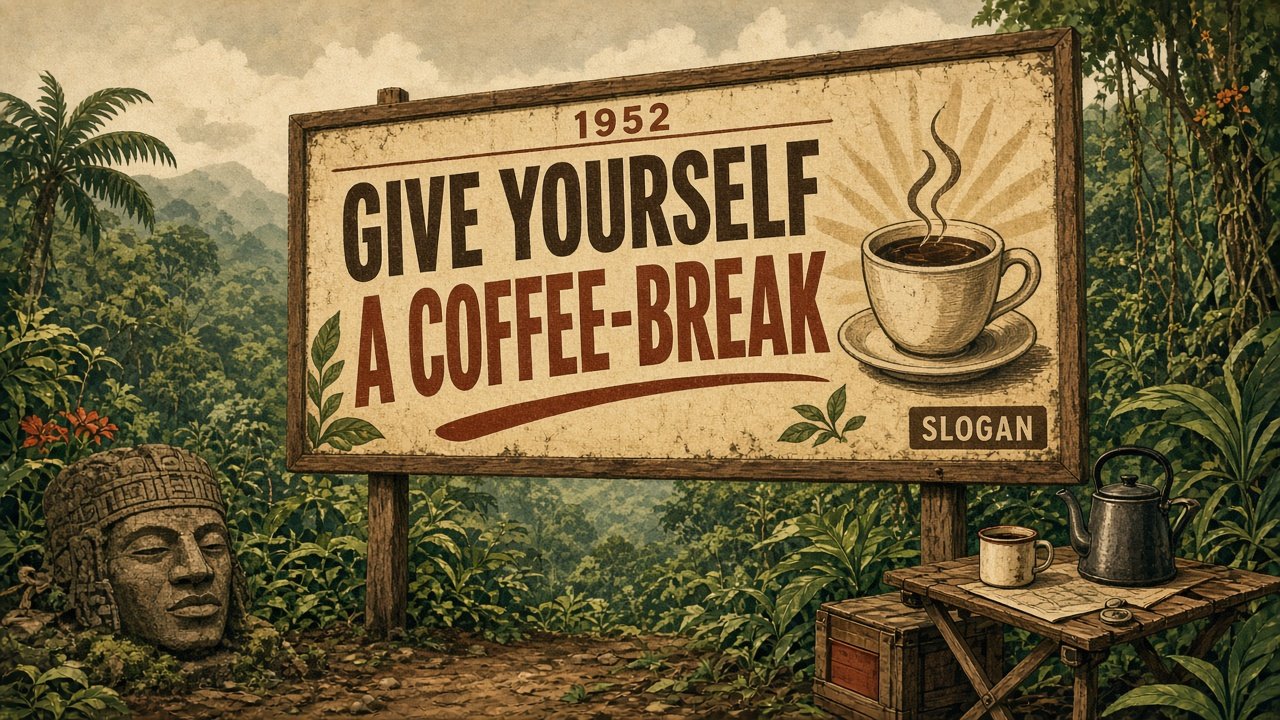
A coffee break feels like instinct. It is younger than that, and it had a media budget. In 1952 the Pan-American Coffee Bureau, an industry group for Latin American growers, told Americans to give themselves a coffee-break and get what coffee gives. The November 1952 issue of Coffee and Tea Industries described the target in commercial English: people who already drank coffee, and were not yet drinking it between meals. Workers already had breaks. The bureau sold them a ritual in a cup. The phrase stuck hard enough to become the name of the pause.
Bosses had wanted alert workers before any ad man rhymed it. Factory shifts run on sustained attention, and tea and coffee delivered that attention cheaper than a shorter day. Britain’s empire ran on tea as a tool of stamina, not only as a cozy custom. We have told the political half of that story in why rulers killed coffee drinkers, and the breakfast half in when coffee replaced beer. The drug in the cup was useful to power long before it was useful to an inbox.
Ration Packets, Then a Piece of Gum
The U.S. military kept its own account. World War II C-rations and K-rations included soluble coffee, a small packet for people who could not stop at a cafe. Decades later the Army put caffeine in gum: portable, portioned, and usable when boiling water was the hard part. A National Academies report on caffeine and mental performance shows how seriously defense researchers treated the dose, the timing, and the job of staying awake.

Notice what the military version tried to know: the milligrams. Stay Alert gum, the product sold for that job, was reported at about 100 milligrams a piece. A drive-through cup often asks you to guess, then calls the guess a medium. One institution metered the drug because alertness was the mission. The other wrapped it in a size name and a smile.

The Olympics Could Not Find the Line
From 1984 until January 2004, caffeine sat on the Olympic banned list as a stimulant. A urine threshold of 12 micrograms per milliliter, set in 1987, was supposed to separate a morning habit from a performance plan. Athletes were tested. Cross the line and you could be out. Then the World Anti-Doping Agency published its first prohibited list and left caffeine off, effective the first day of 2004.
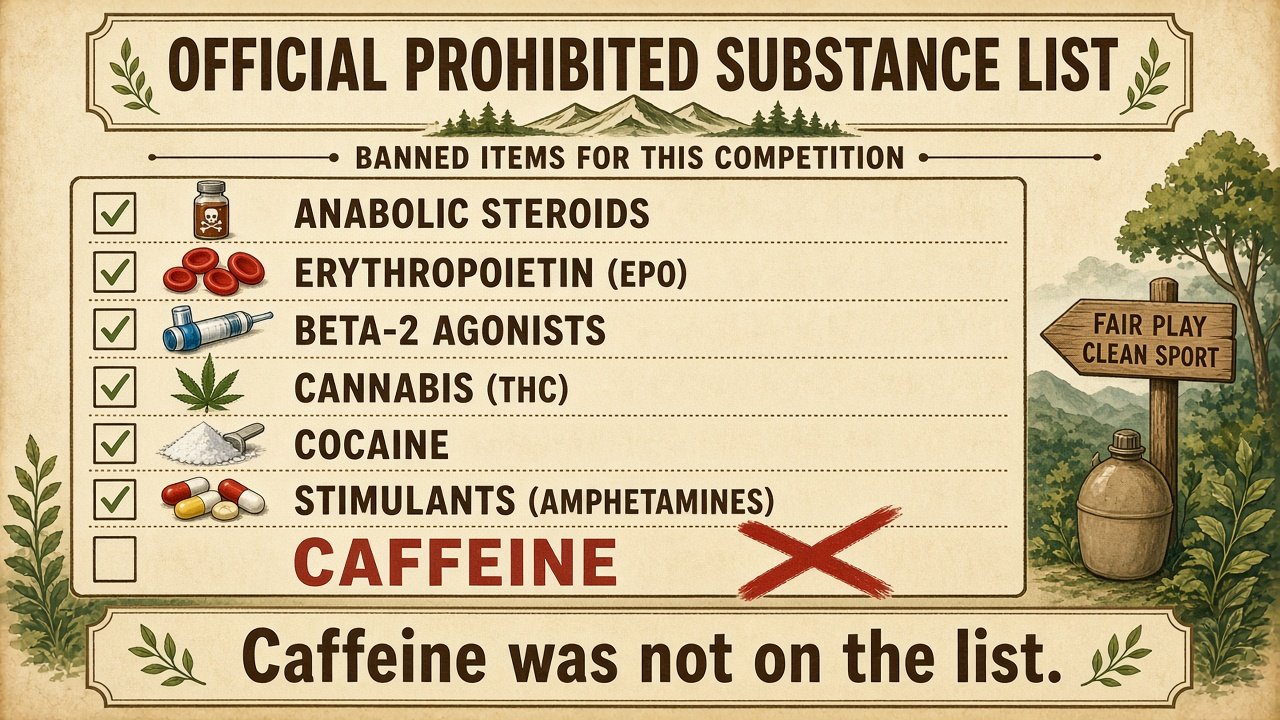
The performance science did not vanish with the rule. A review of urine caffeine in doping samples states the practical problem: everyday coffee and a deliberate high dose were hard to tell apart in a cup of urine. The Australian Institute of Sport notes that caffeine can help at doses people already drink, which made the old urine line a clumsy policeman. WADA shifted caffeine to a monitoring program, watching patterns instead of banning the stadium cafe. Where the coffee drinker ended and the cheater began was a line the lab could not draw cleanly. So the line moved, and the espresso machine stayed.
If Caffeine Were Invented Tomorrow
Try the thought experiment with the ritual stripped off. Imagine caffeine does not exist. A chemist discovers it tomorrow and files it with the FDA. The packet says it changes brain chemistry by blocking adenosine receptors. Regular use builds tolerance. Stopping brings withdrawal. High doses can trigger arrhythmia and, rarely, death. It crosses the placenta. Doctors already know a medical use in premature infants, which would be in the file too.
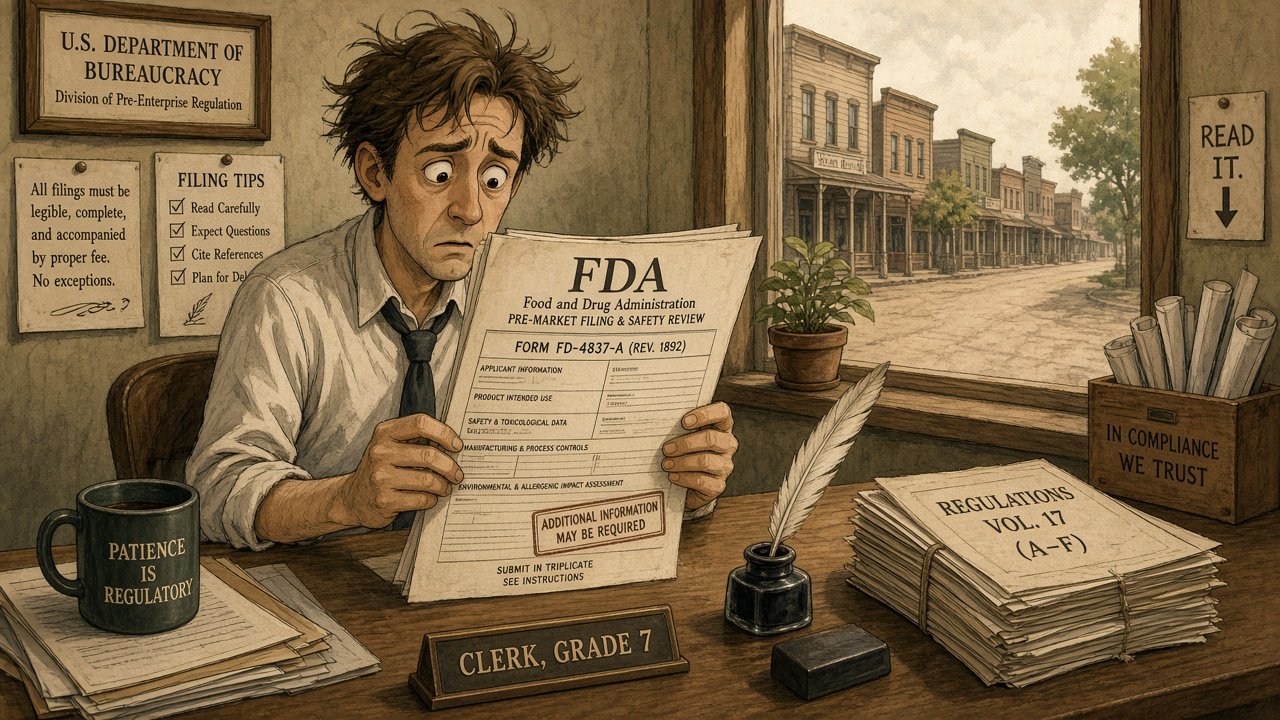
Now read that filing before coffee shops, before the office pot, before anyone loved the smell. What dose would you approve? What would the label be required to say? Would you sell it beside candy? Reasonable people can land in different places. The exercise earns its keep because our actual history never ran the test on a blank page. Affection got there first.
One Country, Two Doors
Back in the world we have, caffeine is an approved medicine for premature babies and a routine food, beverage, and supplement ingredient. Same country. Same family of regulators. Different door, different burden of proof. The medicine had to earn a labeled dose. Coffee arrived as a plant people were already boiling, then picked up a cola rule that never grew to cover the rest of the aisle.
Culture did the rest of the disappearing act. Once a drug sits in the coffee, the chocolate, the soda, the school lunch, and the office pantry, and once it is the morning ritual for most adults in the country, the eye stops registering a drug. A given has no warning label because a given feels like furniture.
A Good Deal, and One Uncomfortable Seat
Looked at from the outside, the bargain is obvious. A legal stimulant that helps people stay on a task, costs little to pour, and shows up already wrapped in friendship, work, and breakfast. Employers did not have to invent the appetite. An ad bureau in 1952 mostly had to name the pause. For many healthy adults, a moderate intake sits inside the range regulators already treat as ordinary.
The uncomfortable seat belongs to the person who cannot get through Tuesday without another cup, and to the eight-year-old who can buy a lightning-bolt can with no adult in the decision. Keeping your coffee is a fair adult choice. We keep ours. Sleep, anxiety, pregnancy, a shaky heart, and a 3 p.m. crash are all allowed to change the math. A child is a different question, because the marketing is louder than the milligrams and the rulebook never grew up with the can.

Questions People Ask Next
Is caffeine a drug?
Yes, in the pharmacological sense. It crosses into the brain, changes adenosine signaling, builds tolerance, and causes a real withdrawal. The DSM-5 lists caffeine intoxication, caffeine withdrawal, and caffeine-induced anxiety and sleep disorders. It is milder than alcohol. A formal caffeine use disorder diagnosis was left in the manual’s research section rather than made official, because everyday use is so widespread.
Why is caffeine legal if it is a drug?
Timing, dose, and harm. Caffeine was already in coffee, tea, chocolate, and cola when the 1958 food-additive law arrived, so regulators grandfathered a narrow cola use and left the cup alone. Alcohol’s crash risk produced age limits, warnings, and impaired-driving laws. Caffeine’s rules show up at the edges: a cola cap, a 2010 action against premixed caffeine and alcohol, and a 2018 crackdown on pure powdered caffeine.
Can kids buy energy drinks in the United States?
Yes. No federal law sets a purchase age, and the South Carolina bill filed after Davis Cripe’s death never left committee. Pediatric guidance still tells children to skip caffeine and teens to stay near 100 milligrams a day. Lithuania, Latvia, and Turkey drew an under-18 line for energy drinks. The U.S. cooler did not.
How much caffeine is in Coke, Mountain Dew, and coffee?
Coca-Cola lists 34 milligrams in a 12-ounce can. PepsiCo lists 54 milligrams in a 12-ounce Mountain Dew. Brewed coffee varies widely. The FDA’s rough adult comparison treats 400 milligrams as about two to three 12-ounce cups. A large cafe drink or fountain soda can hold more than the can on the chart, so the printed can number and the cup in your hand are not always the same object.
Did the Olympics ban caffeine?
Yes, from 1984 through the end of 2003, above a urine threshold of 12 micrograms per milliliter. WADA removed caffeine from the prohibited list on January 1, 2004, and kept it on a monitoring program. The problem was practical: a normal coffee habit and deliberate boosting were hard to separate with a urine test.
Should you stop drinking coffee?
Quitting is a separate decision from seeing the pharmacology clearly. For most healthy adults, the FDA’s cited 400 milligram range is a ceiling worth knowing, with real exceptions for pregnancy, anxiety, heart rhythm problems, and wrecked sleep. If you want a gentler cup, the mushroom coffee guide and the matcha comparison are practical detours. For the crash itself, start with whether caffeine gives you energy.
You Already Know. The Rules Never Caught Up.
Coffee is pharmacologically a drug. The moral lecture can wait. The chemistry will not. We treat the cup like furniture because of when caffeine arrived, because culture swallowed it, and because a cheap legal stimulant with a built-in ritual is an unusually good deal for workplaces and for anyone who likes being awake.
None of that requires you to quit. It asks for a clearer look at the label, the can, and the kid at the counter. Should a child be able to buy an energy drink without an adult in the decision? That is the question the video leaves in the comments, and it is a fair one after the court case, the neonatal unit, and a Tuesday tray.
If you want the chemistry next, read whether caffeine gives you energy. For the older story of alertness and power, start with when coffee replaced beer and why rulers killed coffee drinkers.
By Stephen at The Coffee Bean Menu | Last updated: November 2026
Editorial note: General information only, not medical advice. Talk with a clinician before changing caffeine habits if you are pregnant, take medication, or have a heart, anxiety, or sleep condition. Court, FDA, CDC, and study details reflect public sources checked in November 2026.
Sorry, the comment form is closed at this time.